
Cooking a turkey in a convection oven delivers faster, more even results than traditional roasting. By circulating hot air around the bird, convection cooking ensures a crispy skin and moist meat—perfect for Thanksgiving or any special meal.
Key Takeaways
- Convection ovens cook turkey faster: Expect a 25–30% reduction in cooking time compared to conventional ovens.
- Lower the temperature: Reduce the recipe’s recommended temperature by 25°F (about 15°C) when using convection mode.
- Use a roasting pan with a rack: This allows air to circulate underneath the turkey for even browning.
- Check internal temperature: The turkey is safe to eat when the thickest part of the thigh reaches 165°F (74°C).
- Baste or brine for extra moisture: Convection cooking can dry out meat slightly, so brining or basting helps keep it juicy.
- Let it rest after cooking: Resting for 20–30 minutes allows juices to redistribute, ensuring tender, flavorful meat.
- Choose the right turkey size: A 12–14 lb turkey typically fits well in most home convection ovens and cooks evenly.
Quick Answers to Common Questions
How long do you cook a turkey in a convection oven?
Cook a turkey in a convection oven for about 10–13 minutes per pound at 325°F. For example, a 12-pound turkey takes roughly 2 to 2.5 hours. Always check the internal temperature for doneness.
Do you cover a turkey when cooking in a convection oven?
No, you don’t need to cover the turkey. The convection fan helps brown the skin naturally. Only tent with foil if the breast browns too quickly.
Should I brine my turkey before convection roasting?
Yes, brining is highly recommended. It adds moisture and flavor, which helps counteract the drying effect of convection cooking.
Can I cook a frozen turkey in a convection oven?
No, you must thaw the turkey completely in the refrigerator before cooking. Cooking a frozen turkey can lead to unsafe temperatures and uneven results.
What temperature should a convection oven be for turkey?
Set your convection oven to 325°F (163°C). This temperature ensures even cooking and a crispy skin without drying out the meat.
📑 Table of Contents
Why Cook Turkey in a Convection Oven?
If you’ve ever pulled a Thanksgiving turkey out of the oven only to find dry breast meat and undercooked thighs, you’re not alone. Traditional roasting can be tricky—uneven heat distribution often leads to inconsistent results. That’s where convection ovens shine. By using a built-in fan to circulate hot air, convection ovens cook food more evenly and efficiently. This means your turkey will brown uniformly, cook faster, and stay juicier from start to finish.
Convection cooking isn’t just for cookies and casseroles—it’s a game-changer for roasting poultry. The constant airflow surrounds the turkey, crisping the skin while gently cooking the meat inside. Whether you’re hosting a holiday feast or preparing a Sunday dinner, learning how to cook turkey convection oven style can save time and deliver restaurant-quality results at home.
Understanding Convection Ovens
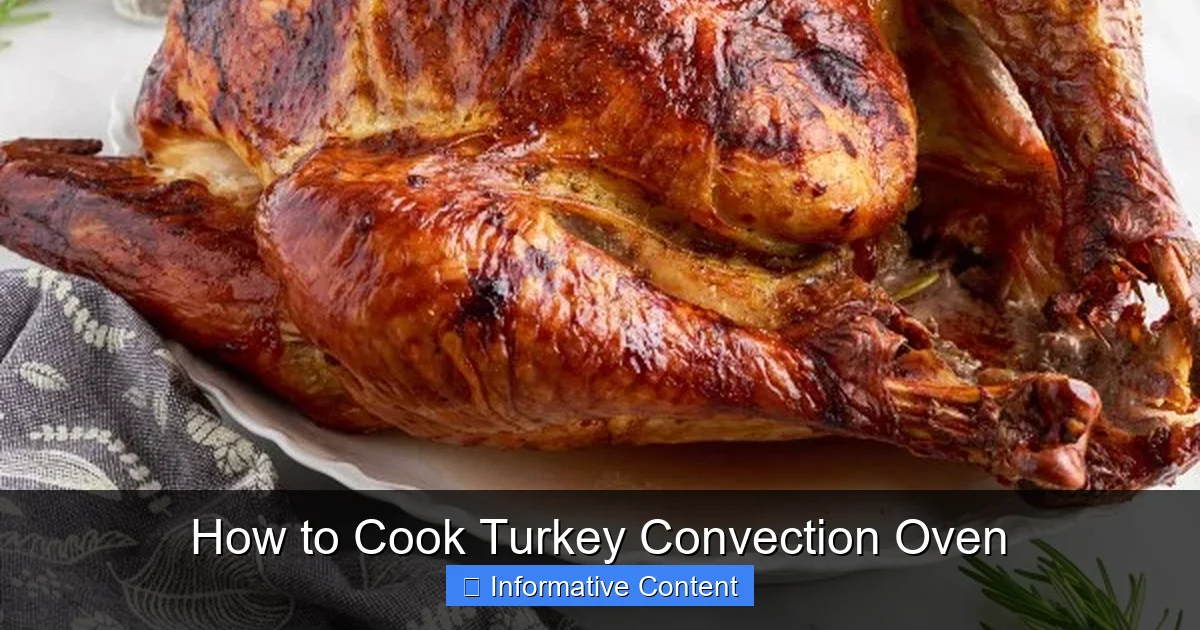
Visual guide about How to Cook Turkey Convection Oven
Image source: familydinners.com
Before you fire up your oven, it’s important to understand how convection works. Unlike conventional ovens that rely on radiant heat from the top and bottom elements, convection ovens add a fan (and sometimes a third heating element) to blow hot air around the food. This creates a more consistent temperature throughout the oven cavity, reducing hot spots and promoting even cooking.
Most modern ovens have a convection setting—often labeled “Convection Bake” or “Convection Roast.” Some models even offer multiple convection modes. For turkey, “Convection Roast” is usually the best choice, as it combines fan circulation with bottom heat to enhance browning and prevent drying. Always consult your oven’s manual to confirm which setting to use.
Convection vs. Conventional: What’s the Difference?
The main advantage of convection is speed and consistency. Because hot air moves around the turkey, it cooks about 25–30% faster than in a conventional oven. This means less time waiting and more time enjoying your meal. Additionally, the moving air helps create a beautifully golden, crispy skin—something many home cooks struggle to achieve with standard roasting.
However, convection isn’t always better for every dish. Delicate baked goods like soufflés or custards may not benefit from the fan’s turbulence. But for hearty proteins like turkey, convection is ideal. Just remember: when converting a recipe, reduce the temperature by 25°F and check for doneness earlier than the original time suggests.
Choosing the Right Turkey
Not all turkeys are created equal—and size matters when cooking in a convection oven. A turkey that’s too large may not fit properly or could block airflow, leading to uneven cooking. Most standard convection ovens can comfortably accommodate a 12- to 16-pound bird. If you’re feeding a large crowd, consider cooking two smaller turkeys instead of one massive one.
Fresh vs. Frozen Turkey
You can cook either fresh or frozen turkey in a convection oven, but timing and prep differ. Fresh turkeys require no thawing—just remove the giblets and neck, pat dry, and season. Frozen turkeys, on the other hand, must be fully thawed in the refrigerator (allow 24 hours for every 4–5 pounds) before cooking. Never cook a partially frozen turkey, as this can lead to unsafe internal temperatures and uneven doneness.
Brining for Maximum Flavor and Moisture
Because convection cooking can slightly accelerate moisture loss, brining is highly recommended. A simple saltwater brine (with herbs, sugar, and aromatics) helps the turkey absorb moisture and flavor before cooking. Submerge the turkey in the brine for 12–24 hours in the fridge, then rinse and pat dry before roasting. This step makes a noticeable difference in tenderness and taste.
Preparing the Turkey for the Convection Oven
Proper preparation is key to a successful roast. Start by removing the turkey from its packaging and taking out any giblets or neck from the cavity. Rinse the bird inside and out (optional—some chefs skip this to reduce bacteria splatter), then pat it completely dry with paper towels. A dry surface helps the skin crisp up during cooking.
Seasoning and Trussing
Season the turkey generously with salt and pepper, both inside the cavity and under the skin if possible. This ensures flavor penetrates deep into the meat. You can also rub the skin with butter or oil for extra browning and richness. For added flavor, stuff the cavity with aromatics like onions, garlic, lemon halves, and fresh herbs such as rosemary, thyme, or sage.
Trussing—tying the legs together with kitchen twine—helps the turkey cook evenly and maintain its shape. While not strictly necessary, it prevents the legs from drying out and gives the bird a neat, professional appearance.
Using a Roasting Rack
Always place the turkey on a roasting rack inside a shallow pan. The rack elevates the bird, allowing hot air to circulate underneath. This promotes even browning and prevents the bottom from steaming in its own juices. If you don’t have a rack, you can create a makeshift one with crumpled aluminum foil or use vegetables like carrots and celery as a base.
Cooking the Turkey in a Convection Oven
Now for the main event. Preheat your convection oven to 325°F (163°C)—this is the standard temperature for roasting turkey, even in convection mode. Some recipes suggest going as high as 350°F, but 325°F helps prevent overcooking while still achieving a golden finish.
Step-by-Step Cooking Process
Place the prepared turkey breast-side up on the rack in the center of the oven. Insert an oven-safe meat thermometer into the thickest part of the thigh, avoiding the bone. This will give you the most accurate reading. Close the oven door and let the convection magic begin.
Cook the turkey for approximately 10–13 minutes per pound. For example, a 14-pound turkey will take about 2 hours and 20 minutes to 2 hours and 50 minutes. However, always rely on temperature, not time. The turkey is done when the internal temperature reaches 165°F (74°C) in the thigh and 155°F (68°C) in the breast.
Basting and Monitoring
While convection ovens reduce the need for frequent basting, a light baste with pan juices or melted butter every 45 minutes can enhance flavor and moisture. Use a bulb baster or spoon to gently coat the skin. Avoid opening the oven too often, as this lets heat escape and slows cooking.
If the skin starts to brown too quickly, loosely tent the breast with a piece of aluminum foil. This protects it from burning while allowing the legs to continue cooking through.
Checking Doneness and Resting the Turkey
Never skip the thermometer test. Visual cues like golden skin or clear juices aren’t reliable indicators of doneness. Use a digital meat thermometer to check the internal temperature in two places: the thickest part of the thigh (should read 165°F) and the breast (155°F is safe, as carryover cooking will raise it slightly).
The Importance of Resting
Once the turkey reaches the correct temperature, remove it from the oven and transfer it to a cutting board or platter. Tent loosely with foil and let it rest for at least 20–30 minutes. During this time, the internal temperature will continue to rise by 5–10°F, and the juices will redistribute throughout the meat. Skipping this step can result in dry, stringy turkey when carved.
Carving and Serving
After resting, carve the turkey by removing the legs and wings first, then slicing the breast meat against the grain. Serve with your favorite sides—mashed potatoes, stuffing, green beans, or cranberry sauce. Leftovers can be stored in the fridge for up to four days or frozen for up to three months.
Tips for Perfect Convection Turkey Every Time
– **Use a reliable thermometer:** An instant-read or probe thermometer is essential for accuracy.
– **Don’t overcrowd the oven:** Leave space around the roasting pan for air circulation.
– **Rotate the pan if needed:** Some ovens have slight hot spots—rotating halfway through can help.
– **Save the drippings:** Use them to make a rich, flavorful gravy.
– **Plan ahead:** Thaw, brine, and prep the day before to reduce stress on cooking day.
Cooking turkey in a convection oven doesn’t have to be intimidating. With the right prep, timing, and technique, you’ll get a juicy, golden-brown bird that’s sure to impress your guests.
Frequently Asked Questions
Can I use a convection toaster oven to cook a small turkey?
Yes, if the turkey fits comfortably and allows for air circulation. Use a 6–8 pound turkey and follow the same temperature and timing guidelines. Monitor closely to prevent overcooking.
Is convection roasting better than traditional roasting for turkey?
Convection roasting is often better because it cooks faster and more evenly, resulting in crispier skin and juicier meat. It’s especially helpful for large birds.
Do I need to adjust cooking time when using convection mode?
Yes, convection ovens cook about 25–30% faster. Reduce the recipe time accordingly and always check the internal temperature to avoid overcooking.
Can I stuff the turkey when cooking in a convection oven?
It’s safer to cook stuffing separately. If you do stuff the turkey, ensure the stuffing reaches 165°F internally, which can be difficult to monitor and may overcook the bird.
Why is my convection oven turkey drying out?
This can happen if the turkey is overcooked or not brined. Use a meat thermometer, brine beforehand, and avoid cooking at too high a temperature.
How do I clean my convection oven after roasting a turkey?
Let the oven cool, then wipe away grease with a damp cloth. For stuck-on residue, use a non-abrasive cleaner or baking soda paste. Avoid harsh chemicals that could damage the fan.