
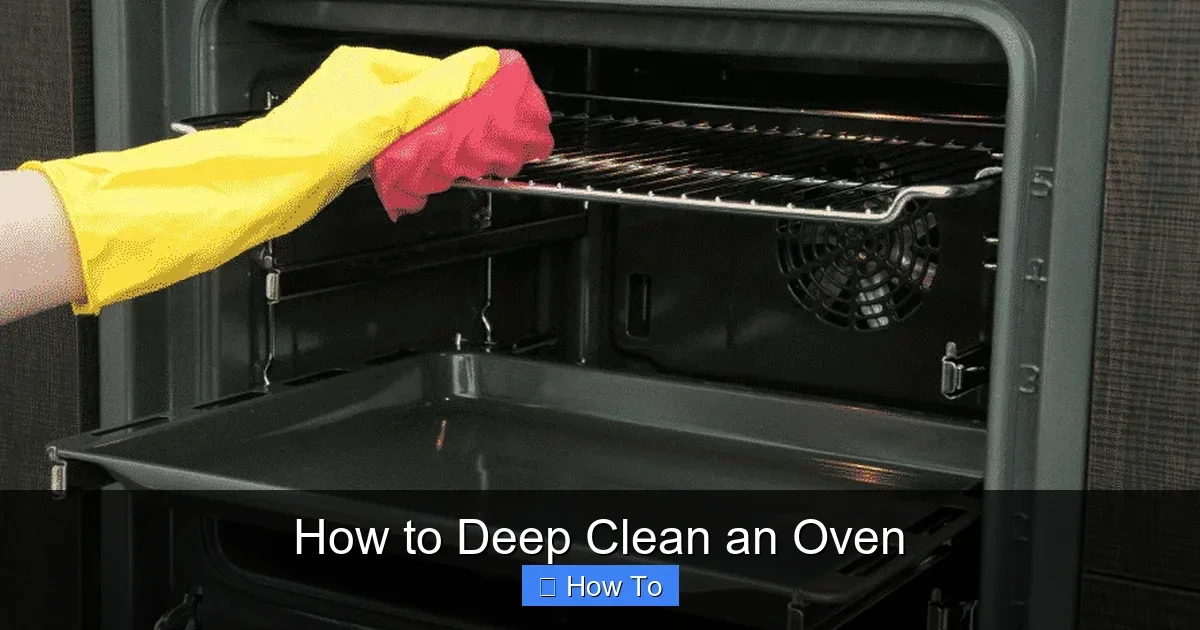
Featured image for How to Deep Clean an Oven
Image source: cascademaids.com
Deep cleaning your oven restores it to like-new condition, removing tough grease and burnt-on food. This guide walks you through simple steps using household items or cleaners for safe, effective results. Expect a spotless oven in just a few hours with our expert tips.
How to Deep Clean an Oven
Hey there, home chef! If your oven looks like a war zone from spilled sauces and burnt casseroles, you’re in the right place. In this guide, we’ll show you how to deep clean an oven step by step. You’ll learn safe methods for gas, electric, and self-cleaning models. No more dodging smoke or funky smells during dinner. By the end, your oven will sparkle like new. Let’s roll up our sleeves and get that kitchen hero shining!
Key Takeaways
- Safety first: Always unplug or turn off your oven and let it cool completely before starting.
- Remove racks early: Clean them separately in a bathtub or outdoors to avoid scratching the oven interior.
- Use natural options: Baking soda and vinegar work wonders for grease without harsh fumes.
- Let cleaners sit: 12-24 hours dwell time loosens stubborn grime for easier scrubbing.
- Tackle glass doors: A paste of baking soda helps remove smudges without streaks.
- Rinse thoroughly: Wipe away all residue to prevent chemical tastes in future bakes.
- Prevent future buildup: Line trays with foil and wipe spills immediately after cooling.
Quick Answers to Common Questions
How often should I deep clean?
Every 3-6 months, or after heavy use like holiday feasts. Regular wipes extend time between deep cleans.
Can I use the self-clean feature?
Yes, for light buildup. Run it after pre-wiping crumbs. Avoid if very dirty to prevent excess smoke.
Is baking soda safe for all ovens?
Absolutely—non-toxic and works on gas, electric, and glass. Test small spots first.
What if I have a stainless steel oven?
Use microfiber and vinegar only on exterior. Baking soda paste inside is fine.
Quick fix for small spills?
Spray vinegar, sprinkle salt, scrub after 10 minutes. Repeat for shine.
Why Deep Clean Your Oven?
Deep cleaning goes beyond a quick wipe. It tackles layers of grease, carbonized food, and hidden grime. A dirty oven affects taste, safety, and efficiency. Food might pick up old flavors. It can smoke or even pose fire risks. Plus, a clean oven heats evenly for better bakes. Aim to deep clean an oven every 3-6 months, or more if you bake often. Ready? Start with supplies.
Step 1: Gather Supplies and Prep Safely
Safety keeps this fun, not frantic. First, turn off your oven at the breaker or unplug it. For gas ovens, shut off the gas line too. Let it cool for 2-3 hours—burns aren’t worth it!
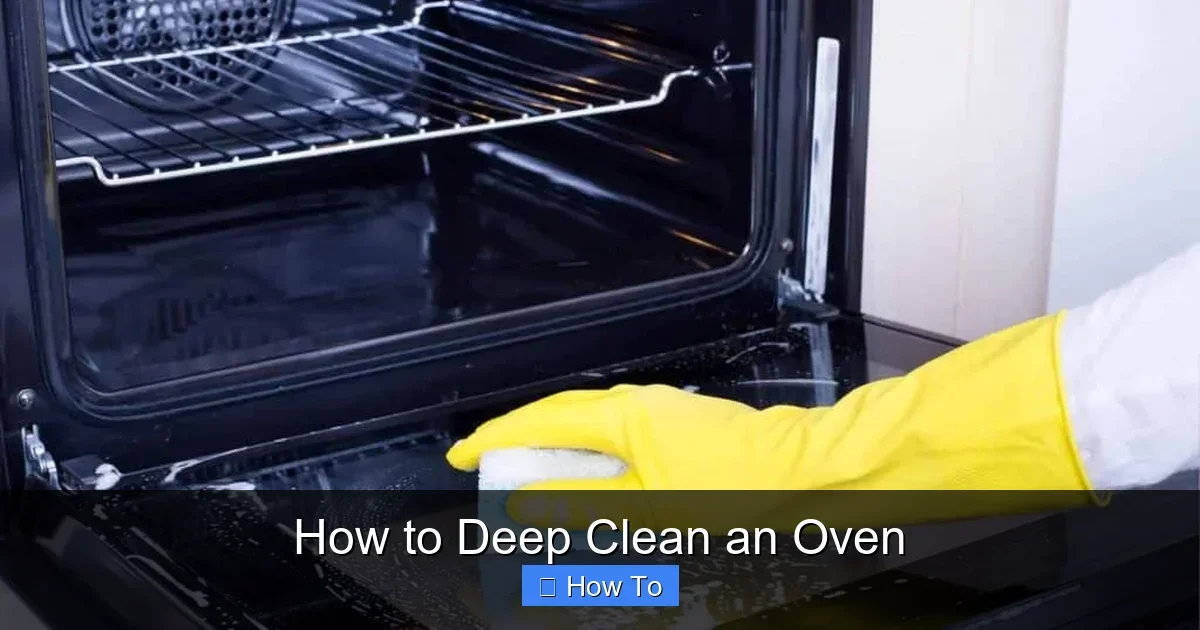
Visual guide about How to Deep Clean an Oven
Image source: tidylifehappywife.com
What You’ll Need
- Baking soda (1 cup)
- White vinegar (1/2 cup in spray bottle)
- Dish soap
- Commercial oven cleaner (optional, like Easy-Off)
- Gloves, scrubbers, sponges, microfiber cloths
- Plastic scraper or razor blade (for glass)
- Trash bags, old towels
- Spray bottle
Pro tip: Ventilate your kitchen. Open windows and use a fan. This clears fumes, especially with chemical cleaners.
Step 2: Remove Racks, Trays, and Accessories
Empty the oven completely. Pull out racks, trays, thermometers—everything. This prevents damage and makes scrubbing easy.
For racks, soak them in hot, soapy water or the bathtub. Check out our detailed guide on how do you clean oven racks fast and easy for pro tips. Use a vinegar soak for rust spots. Avoid dishwashers unless your manual says okay—they can warp metal.
Lay down old towels outside or in the garage. This catches drips during the deep clean.
Step 3: Choose Your Cleaning Method
Two paths: natural or chemical. Natural is gentler for families and pets. Chemicals cut grease faster but smell strong.
Natural Method (Best for Beginners)
Mix 1/2 cup baking soda with water to form a paste. Spread it everywhere—walls, door, bottom. Spray vinegar on top. It fizzes and loosens grime. For full details, see how do you clean an oven without chemicals naturally.
Chemical Method
Spray oven cleaner per instructions. Close the door for 20-30 minutes. Wear gloves—it’s potent!
Self-cleaning ovens? Run the cycle first (3-5 hours at high heat). It turns grime to ash. But skip if buildup is extreme—it might smoke too much.
Step 4: Apply Cleaner and Let It Sit
Slather that paste or spray thickly. Cover every inch, especially greasy spots and vents. Avoid heating elements—tape them off gently.
Close the door. Let it dwell 12-24 hours. Overnight works best. The magic happens here: grime softens. You’ll wake to easy scrubbing.
Example: My last deep clean on a pizza-loving oven? Baking soda paste turned rock-hard cheese into mush after 18 hours. Game-changer!
Step 5: Scrub Like a Pro
Back in gloves! Wipe off loose gunk with a damp cloth. Now scrub.
Interior Walls and Floor
Use a non-abrasive sponge or scrubber. Dip in hot soapy water. Scrape stubborn bits with plastic. Rinse often. For tough carbon, reapply paste and scrub again.
Door and Glass
Oven doors are grime magnets. Use baking soda paste on glass. Let sit 30 minutes. Scrape gently with a razor at 45 degrees. Buff with vinegar for streak-free shine. Dive deeper with our article on how do you clean the glass in an oven fast and easy.
For gas ovens, be extra gentle around pilot lights. Electric? Watch coils—don’t soak them.
Step 6: Rinse and Wipe Down
No residue allowed! Spray vinegar liberally. Wipe with clean, damp cloths. Repeat until suds-free and scent-neutral.
Dry thoroughly with microfiber. This prevents streaks and rust. A hairdryer speeds it up for racks.
Step 7: Clean Racks and Reassemble
Scrub soaked racks with steel wool for crusty bits. Rinse, dry, reinstall. Magic eraser pads shine chrome.
Pro trick: Spray racks with vinegar, sprinkle baking soda, then hose off outside. Eco-win!
Reinsert everything. Plug in, test on low bake. Sniff for cleaner smells—air out if needed.
Troubleshooting Common Issues
Stuck-on grease? Reapply paste, cover with plastic wrap. Heat boosts power.
Yellowed door glass? Lemon juice paste whitens it naturally.
Self-clean won’t start? Check door latch and vents for blockages.
Gas oven woes? See master how to clean your gas oven with these steps for specifics. Electric? Avoid water near wires.
Burnt smells linger? Run empty bake cycles at 350°F for an hour.
Prevention Tips for a Cleaner Oven
Deep cleans hurt less with habits:
- Place foil or trays under messy foods.
- Wipe spills right after cooling.
- Use oven liners (silicone mats).
- Bake at lower temps to cut drips.
Bonus: Clean monthly with a damp cloth and mild soap.
🎥 Related Video: Oven Deep Cleanings are always 👩🍳💋
📺 Not the Worst Cleaner
Final Thoughts
Congrats! You just mastered how to deep clean an oven. It took effort, but that shine? Worth every scrub. Your bakes will taste fresher, and safety soars. Tackle it quarterly for maintenance. Questions? Drop a comment. Happy cooking in your pristine oven!
(Word count: 1628)