
Dehydrating jalapenos in the oven is a simple, cost-effective way to preserve their bold flavor and heat for months. With just a few steps—slicing, arranging, and slow-drying—you can create shelf-stable jalapenos perfect for snacks, cooking, or seasoning blends.
Have you ever had a bumper crop of jalapenos and wondered how to save them before they go bad? Or maybe you love the smoky heat of jalapenos in your tacos, salsas, and chili but want a pantry staple that lasts longer than fresh peppers? Dehydrating jalapenos in the oven is a fantastic solution—simple, affordable, and effective. Unlike buying expensive store-bought dried peppers, making your own at home lets you control the quality, avoid additives, and preserve the vibrant flavor of your favorite chili.
The best part? You don’t need fancy equipment. Your regular kitchen oven is more than capable of turning fresh jalapenos into shelf-stable, flavor-packed gems. Whether you’re a seasoned home cook or just starting your food preservation journey, this method is beginner-friendly and yields delicious results. Plus, dehydrated jalapenos are incredibly versatile—use them whole in stews, grind them into flakes for seasoning, or rehydrate them for sauces and dips. With just a little time and effort, you can enjoy the bold taste of jalapenos year-round.
Key Takeaways
- Prep jalapenos safely: Wear gloves and avoid touching your face to prevent irritation from capsaicin.
- Slice evenly for consistent drying: Uniform thickness ensures even dehydration and prevents under- or over-drying.
- Use the lowest oven setting: Set your oven between 125°F and 140°F (or the “warm” or “dehydrate” setting) to preserve flavor and nutrients.
- Rotate trays for even airflow: Flip trays halfway through drying to promote uniform moisture removal.
- Test for dryness before storing: Properly dehydrated jalapenos should be brittle and snap, not bend.
- Store in airtight containers: Keep in a cool, dark place to maintain quality and extend shelf life up to a year.
- Rehydrate or use as-is: Use dried jalapenos in soups, sauces, or grind into flakes for a spicy kick.
Quick Answers to Common Questions
Can I dehydrate jalapenos without an oven?
Yes! You can use a food dehydrator, air dry them in a well-ventilated area, or even use a solar dehydrator in sunny climates. The oven method is just one of the most accessible.
Do dehydrated jalapenos lose their heat?
Not at all. In fact, their heat often becomes more concentrated as moisture is removed, making them spicier than fresh jalapenos.
Can I dehydrate jalapenos with seeds?
Yes, but removing seeds reduces the heat level. If you prefer milder peppers, scoop out the seeds before slicing.
How long do oven-dehydrated jalapenos last?
When stored in airtight containers in a cool, dark place, they can last up to 12 months.
Can I rehydrate dried jalapenos?
Absolutely. Soak them in warm water for 20–30 minutes to soften before using in recipes like salsas or soups.
📑 Table of Contents
Why Dehydrate Jalapenos?
Dehydrating jalapenos isn’t just about saving space or reducing waste—it’s about enhancing flavor and extending usability. When you remove the moisture from jalapenos, their natural oils and capsaicin (the compound that gives them heat) become more concentrated. This means dried jalapenos often taste even spicier and more intense than their fresh counterparts. Plus, dehydration stops spoilage, allowing you to store them for up to a year without refrigeration.
Another major benefit is convenience. Fresh jalapenos can go bad in a week or two, even in the fridge. But once dehydrated, they take up minimal space and are ready to use whenever you need them. Imagine pulling out a few dried slices to spice up a pot of beans or blending them into a homemade hot sauce—no last-minute grocery run required. Dehydrating also lets you preserve seasonal abundance. If you grow jalapenos in your garden or find a great deal at the farmers’ market, drying them ensures you won’t lose that investment to spoilage.
What You’ll Need
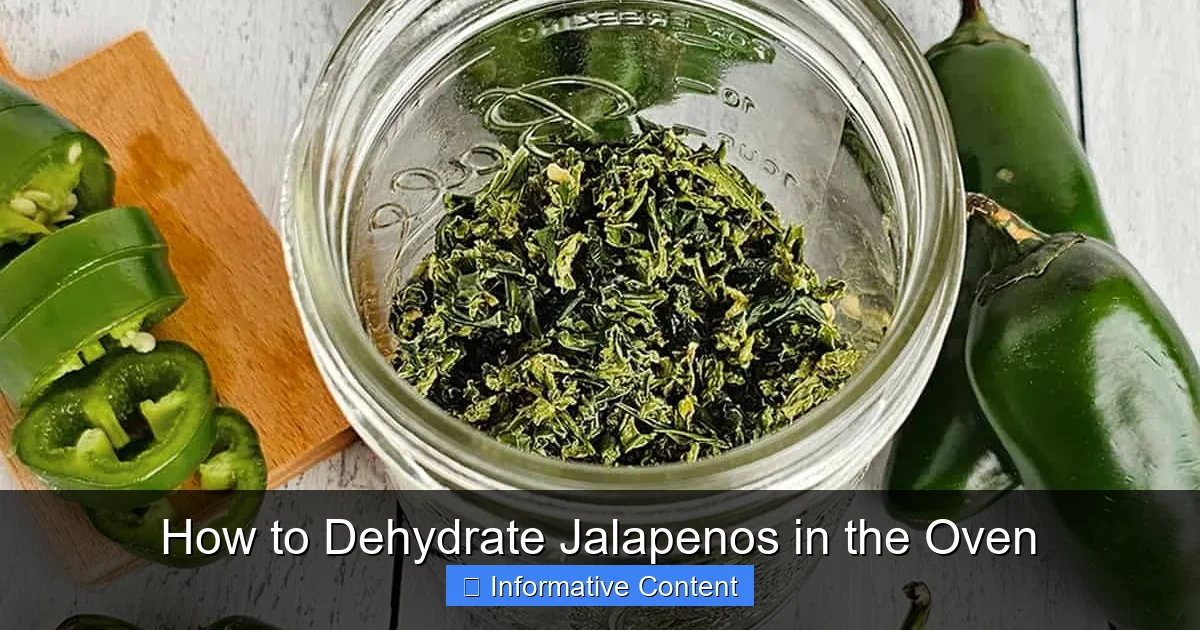
Visual guide about How to Dehydrate Jalapenos in the Oven
Image source: thepurposefulpantry.com
Before you start, gather a few basic kitchen tools. You don’t need a food dehydrator—just your oven and some simple supplies.
Essential Tools and Ingredients
- Fresh jalapenos: Choose firm, unblemished peppers with bright green (or red, if fully ripe) skin.
- Sharp knife and cutting board: For safe and even slicing.
- Baking sheets: Use rimmed sheets to prevent juices from dripping.
- Parchment paper or silicone baking mats: These prevent sticking and make cleanup easier.
- Oven thermometer (optional but helpful): Ensures your oven is at the correct low temperature.
- Kitchen gloves: Protect your hands from capsaicin, which can cause skin irritation or burns.
- Airtight containers or mason jars: For long-term storage.
You can also use wire cooling racks placed on top of baking sheets to improve airflow, which helps speed up drying. If you’re dehydrating a large batch, multiple trays will come in handy.
Step-by-Step Guide to Dehydrating Jalapenos
Now that you’re equipped, let’s walk through the process. Dehydrating jalapenos in the oven takes time—usually 6 to 12 hours—but it’s mostly hands-off. The key is low and slow heat to preserve flavor and prevent burning.
Step 1: Wash and Prep the Jalapenos
Start by rinsing the jalapenos under cool water to remove dirt and debris. Pat them dry with a clean towel. Put on your gloves—this is important! Jalapenos contain capsaicin, which can linger on your skin and cause irritation, especially if you touch your eyes or face later. Trim off the stems and slice the peppers. You can cut them into rings (¼-inch thick works well) or lengthwise strips, depending on how you plan to use them later.
Step 2: Arrange on Baking Sheets
Line your baking sheets with parchment paper or silicone mats. Lay the jalapeno slices in a single layer, making sure they don’t overlap. Overlapping can trap moisture and lead to uneven drying or mold. If you’re using wire racks, place them on the baking sheets to allow air to circulate underneath the peppers.
Step 3: Set the Oven Temperature
Preheat your oven to the lowest possible setting—ideally between 125°F and 140°F (52°C to 60°C). Most ovens don’t go this low, so check your manual. If yours only goes down to 170°F, that’s okay—just prop the door open slightly with a wooden spoon or oven-safe tool to let heat escape and keep the temperature down. An oven thermometer can help you monitor the actual temperature inside.
Step 4: Dry the Jalapenos
Place the trays in the oven and let the jalapenos dry. Drying time varies based on thickness, humidity, and oven performance, but expect 6 to 12 hours. Check them every few hours. Rotate the trays front to back and top to bottom to ensure even drying. You’ll notice the peppers shrinking and becoming leathery at first, then crisp over time.
Step 5: Test for Doneness
The jalapenos are done when they’re completely dry and brittle. They should snap cleanly when bent, not bend or feel rubbery. If they’re still pliable, they need more time. Over-drying is better than under-drying—moisture left in the peppers can lead to mold during storage.
Step 6: Cool and Store
Once dehydrated, turn off the oven and let the jalapenos cool completely on the trays. This prevents condensation from forming when you store them. Then transfer them to airtight containers or mason jars. Label them with the date—properly stored, they’ll keep for up to a year in a cool, dark pantry.
Tips for Best Results
A few small tweaks can make a big difference in your dehydrating success.
Choose the Right Jalapenos
Pick peppers that are fresh, firm, and free of soft spots or wrinkles. Overripe or damaged peppers may have off-flavors or higher moisture content, which can affect drying.
Slice Evenly
Use a sharp knife and aim for consistent thickness. If some slices are thicker than others, they’ll dry at different rates, leading to uneven results.
Ventilate the Oven
If your oven runs hot, keep the door slightly ajar with a wooden spoon or oven mitt. This helps maintain a low temperature and allows moisture to escape.
Use a Fan (Optional)
Placing a small fan near the oven door can improve airflow and speed up drying, especially in humid climates.
Rotate Trays Regularly
Ovens have hot spots. Rotating trays every 2–3 hours ensures all jalapenos dry evenly.
How to Use Dehydrated Jalapenos
Once you’ve mastered how to dehydrate jalapenos in the oven, the culinary possibilities are endless.
As a Snack
Enjoy them straight from the jar! Dried jalapeno slices make a spicy, crunchy snack—great for road trips or lunchboxes.
In Cooking
Toss whole slices into soups, stews, or chili for a slow-release heat. They’ll rehydrate slightly during cooking.
Rehydrate for Sauces
Soak dried jalapenos in warm water for 20–30 minutes to soften them, then blend into salsas, hot sauces, or marinades.
Make Jalapeno Flakes or Powder
Grind dried jalapenos in a spice grinder or coffee grinder to make homemade chili flakes or powder. Sprinkle on pizza, eggs, or popcorn for a fiery kick.
In Rubs and Seasonings
Combine with salt, garlic powder, and cumin to create a spicy dry rub for meats or roasted vegetables.
Storing and Shelf Life
Proper storage is key to maintaining flavor and preventing spoilage. Keep dehydrated jalapenos in airtight containers—glass jars work best—and store them in a cool, dark place like a pantry or cupboard. Avoid heat and light, which can degrade quality over time.
Check your stored jalapenos periodically. If you notice any moisture, mold, or off smells, discard them. When stored correctly, dehydrated jalapenos can last up to 12 months. For longer storage, consider vacuum-sealing or freezing, though this is usually unnecessary for home use.
Common Mistakes to Avoid
Even with the best intentions, things can go wrong. Here are a few pitfalls to watch out for:
- Using high heat: High temperatures can burn the peppers or destroy their flavor. Stick to low and slow.
- Overcrowding the trays: This traps moisture and leads to uneven drying.
- Not wearing gloves: Capsaicin can cause skin irritation or worse if it gets in your eyes.
- Skipping the cool-down period: Storing warm peppers creates condensation and risks mold.
- Underestimating drying time: Rushing the process leads to chewy, unsafe peppers.
Conclusion
Dehydrating jalapenos in the oven is a simple, rewarding way to preserve one of the most beloved chili peppers. With minimal equipment and a little patience, you can transform fresh jalapenos into a pantry staple that adds bold flavor and heat to countless dishes. Whether you’re a gardener with a surplus harvest or just love the taste of jalapenos, this method ensures you’ll never run out.
From snacks to seasonings, the uses for dried jalapenos are as versatile as they are delicious. And because you control the process, you know exactly what’s in your food—no preservatives, no additives, just pure, spicy goodness. So next time you’re staring at a bowl of fresh jalapenos, don’t let them go to waste. Fire up the oven, slice them up, and start dehydrating. Your future self will thank you every time you reach for that jar of homemade jalapeno magic.
Frequently Asked Questions
What temperature should I set my oven to dehydrate jalapenos?
Set your oven to the lowest possible temperature, ideally between 125°F and 140°F. If your oven doesn’t go that low, use the “warm” setting and prop the door open slightly.
How do I know when jalapenos are fully dehydrated?
They should be brittle and snap cleanly when bent. If they bend or feel rubbery, they need more drying time.
Can I dehydrate other peppers the same way?
Yes! This method works for serranos, habaneros, bell peppers, and more. Just adjust drying time based on size and moisture content.
Do I need to blanch jalapenos before dehydrating?
No, blanching is not necessary for dehydration. It’s more common for freezing. Slicing and drying directly is perfectly safe and effective.
Can I use aluminum foil instead of parchment paper?
You can, but parchment paper or silicone mats are better because they prevent sticking and make cleanup easier. If using foil, lightly oil it to avoid sticking.
Is it safe to eat dehydrated jalapenos if they’re a little chewy?
Not recommended. Chewy peppers may still contain moisture, which can lead to mold. Only store peppers that are fully dry and brittle.