
Disposing of an old microwave oven doesn’t have to be complicated or harmful to the environment. With the right steps, you can recycle, donate, or safely discard your appliance while following local regulations and protecting the planet.
Key Takeaways
- Check local regulations: Disposal rules vary by city and state, so always verify guidelines with your local waste management authority.
- Recycle whenever possible: Many components like metal and glass can be recycled, reducing landfill waste and conserving resources.
- Donate if it still works: Functional microwaves can be donated to charities, shelters, or community centers.
- Use manufacturer or retailer take-back programs: Some brands offer free pickup or recycling when you buy a new appliance.
- Hazardous materials require care: Microwaves contain capacitors and electronic parts that must be handled safely to avoid injury or environmental harm.
- Schedule bulk pickup or drop-off: If recycling or donating isn’t an option, many municipalities offer bulk waste collection services.
- Avoid illegal dumping: Improper disposal can lead to fines and environmental damage—always use approved methods.
Quick Answers to Common Questions
Can I throw my old microwave in the trash?
No, most landfills don’t accept microwaves due to their electronic components and potential hazards. Always use recycling, donation, or municipal disposal services.
How do I safely remove a microwave capacitor?
It’s not recommended for untrained individuals. Capacitors can hold a dangerous charge. Let the microwave sit unplugged for 24 hours, and if unsure, leave disassembly to professionals.
Will Best Buy take my old microwave?
Yes, Best Buy offers free e-waste recycling for small appliances, including microwaves, at most locations. Check their website for details and limits.
Can I recycle a microwave at Home Depot?
Home Depot partners with recycling programs and may accept microwaves during certain events or through take-back programs. Call your local store to confirm.
Is it safe to donate a slightly damaged microwave?
Only if it still heats food safely. Avoid donating units with broken doors, sparks, or electrical issues. Always clean it and disclose any flaws to the recipient.
📑 Table of Contents
- Why Proper Microwave Disposal Matters
- Step 1: Assess the Condition of Your Microwave
- Step 2: Explore Recycling Options
- Step 3: Use Municipal Waste Services
- Step 4: Prepare Your Microwave for Disposal
- Step 5: Avoid Common Disposal Mistakes
- Environmental and Economic Benefits of Proper Disposal
- Conclusion
Why Proper Microwave Disposal Matters
Microwaves are a staple in most kitchens, but when they stop working or get replaced, figuring out what to do with them can be confusing. Unlike regular trash, microwaves contain electronic components and potentially hazardous materials that shouldn’t end up in landfills. Improper disposal can lead to environmental pollution, health risks, and even legal penalties in some areas.
On the flip side, responsible disposal helps conserve natural resources. Many parts of a microwave—like the metal casing, glass turntable, and internal wiring—can be recycled and reused. By choosing eco-friendly disposal methods, you’re not only doing your part for the planet but also supporting a circular economy where materials are kept in use longer.
Step 1: Assess the Condition of Your Microwave
Before deciding how to dispose of your old microwave, take a moment to evaluate its condition. Is it completely broken, or does it still heat food—even if slowly or unevenly? This simple check can open up more sustainable options like donation or resale.
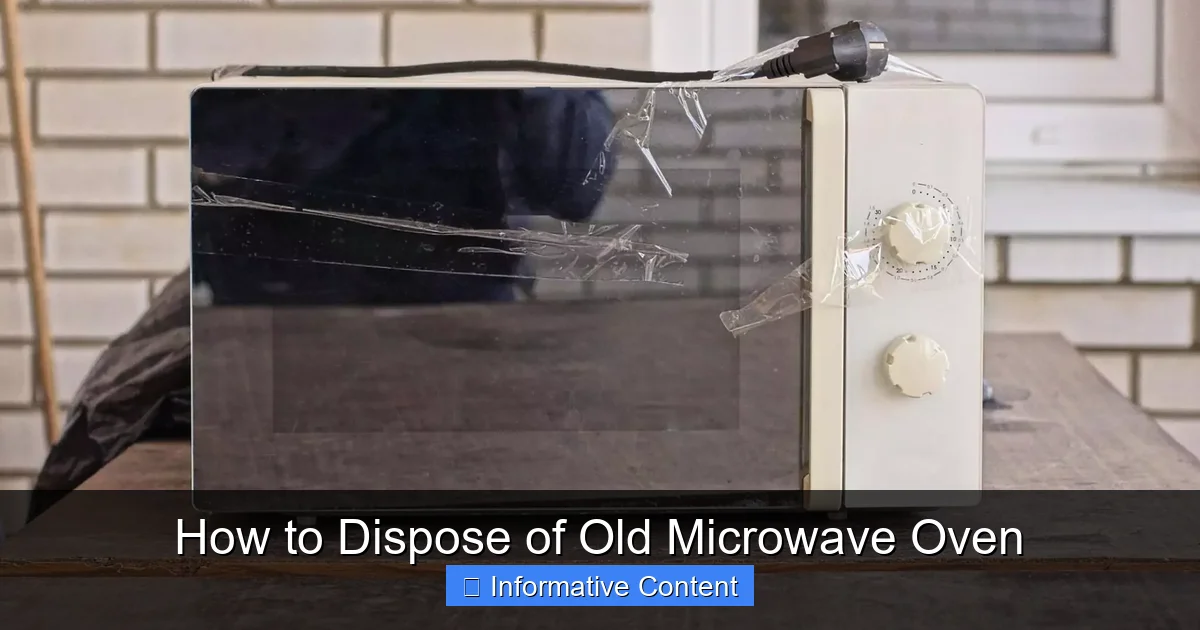
Visual guide about How to Dispose of Old Microwave Oven
Image source: dagonnews.com
Working Microwave? Consider Donation
If your microwave still functions, even with minor flaws, it might be perfect for someone else. Many nonprofit organizations, homeless shelters, schools, and community centers accept working appliances. For example, Goodwill, The Salvation Army, and local food banks often welcome small kitchen appliances in good condition.
Before donating, clean the interior and exterior thoroughly. Remove any food residue, wipe down surfaces, and check that the door seals properly. A clean, functional microwave is far more likely to be accepted and used.
Broken but Repairable? Try Selling or Trading
Even if your microwave isn’t working perfectly, it might still have value. Some repair shops or hobbyists buy broken appliances for parts. You can also list it on platforms like Facebook Marketplace, Craigslist, or OfferUp with a clear description like “for parts or repair.”
Another option is to trade it in when purchasing a new microwave. Retailers like Best Buy, Home Depot, and Lowe’s often offer recycling or trade-in programs that give you credit toward a new appliance. This is a win-win: you get rid of the old unit and save money on a replacement.
Step 2: Explore Recycling Options
When donation or resale isn’t possible, recycling is the next best choice. Microwaves contain valuable materials like steel, aluminum, copper, and glass that can be recovered and reused. Recycling also prevents harmful substances from leaching into soil and water.
Find a Certified E-Waste Recycler
Electronic waste (e-waste) recyclers are equipped to handle appliances like microwaves safely. Look for facilities certified by organizations such as R2 (Responsible Recycling) or e-Stewards. These certifications ensure that recyclers follow strict environmental and safety standards.
You can search for certified recyclers using tools like Earth911’s recycling locator or Call2Recycle’s database. Simply enter your ZIP code and “microwave” to find nearby drop-off locations. Some centers charge a small fee, while others accept small appliances for free.
Retailer and Manufacturer Take-Back Programs
Many appliance manufacturers and retailers offer take-back programs. For instance, Samsung, LG, and Whirlpool often partner with recycling centers to accept old units when you buy a new one. Retailers like Best Buy have year-round e-waste recycling kiosks where you can drop off microwaves and other small electronics.
These programs are convenient and often free. Just check the company’s website or call customer service to confirm availability in your area. Some may require proof of purchase or limit the number of items per visit.
Step 3: Use Municipal Waste Services
If recycling or donation isn’t feasible, your local government may offer disposal services for large or hazardous items. Most cities have specific programs for bulky waste or electronic waste collection.
Schedule a Bulk Pickup
Many municipalities provide curbside pickup for large appliances, including microwaves. Contact your local waste management department or visit their website to learn about scheduling, fees, and preparation requirements.
For example, in cities like Austin, TX, or Portland, OR, residents can schedule a bulk item pickup online. You may need to place the microwave at the curb on a specific day and ensure it’s empty and clean. Some areas require you to remove the door for safety—check local rules to avoid fines.
Visit a Household Hazardous Waste (HHW) Facility
Microwaves contain capacitors that can store electrical charge even when unplugged, posing a shock risk. They may also contain trace amounts of hazardous materials. For this reason, some cities require microwaves to be taken to a Household Hazardous Waste facility.
These facilities are designed to handle electronics safely. They’ll dismantle the microwave and recycle usable parts while disposing of hazardous components properly. Find your nearest HHW center through your city’s environmental services website.
Step 4: Prepare Your Microwave for Disposal
No matter which disposal method you choose, proper preparation ensures safety and efficiency. Taking a few extra minutes can prevent accidents and make the process smoother for everyone involved.
Unplug and Clean Thoroughly
Always unplug the microwave and let it sit for at least 24 hours before handling. This allows any stored electrical charge in the capacitor to dissipate. Then, clean the interior and exterior with mild soap and water. Remove the glass turntable and wash it separately.
A clean microwave is more likely to be accepted for donation or recycling. It also reduces odors and pests if left outside for pickup.
Remove the Door (If Required)
In some areas, local regulations require you to remove the microwave door before disposal. This prevents animals or children from getting trapped inside. Use a screwdriver to detach the hinges and carefully remove the door. Label it clearly so waste handlers know it’s been removed.
If you’re unsure how to remove the door, consult the user manual or search for a video tutorial specific to your model. Never force it—take your time to avoid injury.
Secure Loose Parts
Pack any loose components, like the turntable or power cord, inside the microwave or tape them securely to the unit. This prevents parts from getting lost or causing damage during transport.
Step 5: Avoid Common Disposal Mistakes
Even with the best intentions, it’s easy to make mistakes when disposing of an old microwave. Avoiding these common pitfalls ensures a safer, more responsible process.
Don’t Throw It in Regular Trash
Most landfills don’t accept microwaves due to their electronic components and potential hazards. Putting one in your regular trash can result in fines and contributes to environmental pollution. Always use approved disposal methods.
Don’t Leave It on the Curb Without Notice
Leaving a microwave on the sidewalk without scheduling a pickup is considered illegal dumping in many areas. It can attract pests, create tripping hazards, and lead to penalties. Always coordinate with your waste service first.
Don’t Assume All Recyclers Accept Microwaves
Not all recycling centers take microwaves. Some only accept certain types of e-waste or charge fees for larger items. Call ahead or check online to confirm acceptance policies.
Environmental and Economic Benefits of Proper Disposal
Choosing the right way to dispose of your old microwave oven has far-reaching benefits. Environmentally, recycling reduces the need for raw material extraction, lowers energy consumption, and cuts greenhouse gas emissions. Economically, it supports jobs in the recycling and refurbishment industries.
For example, recycling one ton of steel from appliances saves 2,500 pounds of iron ore, 1,400 pounds of coal, and 120 pounds of limestone. That’s a significant reduction in resource use and environmental impact.
On a personal level, responsible disposal gives you peace of mind. You know you’ve done the right thing for your community and the planet—without breaking the bank or bending the rules.
Conclusion
Disposing of an old microwave oven doesn’t have to be a headache. By assessing its condition, exploring recycling and donation options, and following local guidelines, you can ensure it’s handled safely and sustainably. Whether you drop it off at a recycling center, donate it to a charity, or schedule a bulk pickup, every responsible choice makes a difference.
Remember: your old microwave might be someone else’s treasure, or it could become raw material for new products. With a little effort, you can turn an outdated appliance into an opportunity for positive change. So before you toss it, think twice—your planet (and your conscience) will thank you.
Frequently Asked Questions
What parts of a microwave can be recycled?
Metal casings, glass turntables, copper wiring, and circuit boards can often be recycled. These materials are valuable and reduce the need for new resource extraction.
Do I need to remove the door before disposal?
In some areas, yes—local regulations may require door removal to prevent accidents. Check with your waste management provider to confirm.
Can I sell a broken microwave?
Yes, if it has usable parts. List it on platforms like Craigslist or Facebook Marketplace with a clear description like “for parts only.”
Are there fees for microwave recycling?
Some recycling centers charge a small fee, especially for larger appliances. Others offer free drop-off through retailer or municipal programs.
What if my microwave is too heavy to move?
Contact your local waste service or a junk removal company. Many offer pickup services for large items, sometimes for a fee.
Can microwaves be repaired instead of disposed?
Yes, if the issue is minor (like a faulty door switch or magnetron), repair may be cheaper than replacement. Get a quote from a certified technician first.