
Making pork belly burnt ends in the oven is easier than you think. With simple ingredients and a few key techniques, you can create tender, flavorful bites that rival any smoker. This oven method delivers rich, caramelized perfection without the grill.
If you’ve ever had burnt ends at a BBQ joint, you know they’re a game-changer. Those little cubes of smoky, caramelized pork belly are rich, tender, and packed with flavor. Traditionally made from the point cut of a brisket and smoked for hours, burnt ends have earned their cult status in the barbecue world. But what if you don’t have a smoker—or the time to tend to one all day?
Good news: you can make incredible pork belly burnt ends right in your oven. Yes, your regular kitchen oven. With the right technique, you can achieve that perfect balance of melt-in-your-mouth tenderness and sticky, charred edges. No fancy equipment needed—just a baking sheet, some foil, and a few pantry staples.
This method uses pork belly instead of brisket, which actually works beautifully. Pork belly is naturally fatty and rich, making it ideal for slow cooking. When cooked low and slow, the fat renders out, the meat becomes incredibly tender, and the surface caramelizes into that irresistible “burnt” crust. Plus, since pork belly is more accessible than brisket point cuts, this recipe is not only delicious but also practical for home cooks.
Key Takeaways
- Choose high-quality pork belly: Look for even thickness and good marbling for the best texture and flavor.
- Score the fat cap: This helps render fat and allows seasoning to penetrate deeper during cooking.
- Low and slow is key: Bake at 275°F (135°C) for 2–3 hours to tenderize the meat without drying it out.
- Use a flavorful rub and glaze: A mix of brown sugar, paprika, garlic, and chili powder creates depth, while a sweet-tangy glaze adds shine and stickiness.
- Finish with a broil: A quick broil at the end caramelizes the glaze, giving burnt ends their signature sticky crust.
- Rest before serving: Letting the burnt ends rest for 10 minutes ensures juicy, tender results.
- Great for meal prep or parties: These make excellent appetizers, taco fillings, or BBQ platters.
Quick Answers to Common Questions
Can I use skinless pork belly?
Yes! Skinless pork belly works perfectly. Just make sure it has a good fat-to-meat ratio for the best texture.
How do I prevent the burnt ends from drying out?
Cook low and slow at 275°F, and don’t skip the resting step. The fat rendering keeps the meat moist throughout.
Can I make these ahead of time?
Absolutely. Cook, cool, and refrigerate for up to 3 days. Reheat gently in the oven to restore crispness.
What’s the best BBQ sauce to use?
Use your favorite—sweet, smoky, or spicy. Homemade or store-bought both work great.
Can I freeze pork belly burnt ends?
Yes. Cool completely, then freeze in an airtight container for up to 2 months. Thaw and reheat in the oven.
📑 Table of Contents
Why Pork Belly Works for Burnt Ends
You might be wondering: why pork belly? Isn’t burnt ends a beef thing? While traditional burnt ends come from brisket, pork belly is a fantastic alternative—and in some ways, even better. Pork belly has a higher fat content, which means it stays juicy and flavorful during long cooking times. The layers of fat and meat break down slowly, creating a texture that’s both succulent and rich.
Another advantage? Pork belly is widely available at most grocery stores, often pre-cut into slabs. It’s also more affordable than premium brisket cuts. And because it’s naturally tender when cooked properly, you don’t need to worry about it drying out—even after hours in the oven.
The Science of Fat Rendering
When you cook pork belly slowly, the connective tissue and fat begin to break down. This process, called rendering, transforms the tough fat into silky, flavorful liquid that bastes the meat from within. That’s why slow-cooked pork belly feels so luxurious—it’s essentially self-basting.
Scoring the fat cap (the skin or fat layer on top) helps speed up this process. By making shallow cuts in a diamond pattern, you create channels for the fat to melt out and for seasonings to seep in. This not only improves flavor but also prevents the meat from curling during cooking.
Texture and Flavor Benefits
Pork belly burnt ends have a unique texture: tender enough to pull apart with a fork, yet with a slight chew and a crispy exterior. The caramelized glaze adds a sweet, slightly smoky note that balances the richness of the meat. It’s indulgent, yes—but in the best way possible.
Plus, because pork belly absorbs flavors so well, your rub and glaze will really shine. Whether you like it spicy, sweet, or smoky, you can customize the seasoning to match your taste.
Ingredients You’ll Need
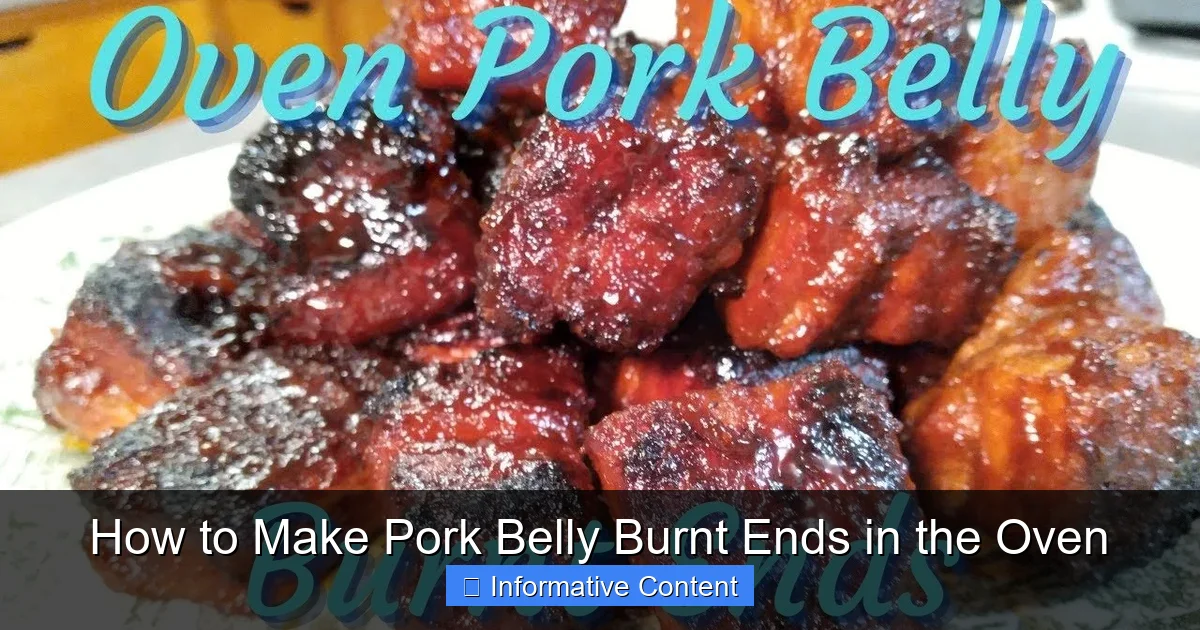
Visual guide about How to Make Pork Belly Burnt Ends in the Oven
Image source: i.pinimg.com
The beauty of this recipe is its simplicity. You don’t need exotic ingredients—just a few pantry staples and a slab of pork belly. Here’s what to gather:
- 2–3 pounds pork belly: Look for a piece with even thickness and good marbling. Skin-on is fine—you can remove it after cooking if preferred.
- 2 tablespoons brown sugar: Adds sweetness and helps with caramelization.
- 1 tablespoon smoked paprika: For that classic BBQ smokiness (even without a smoker).
- 1 teaspoon garlic powder: Deep, savory flavor.
- 1 teaspoon onion powder: Enhances the overall aroma.
- 1 teaspoon chili powder: A touch of heat—adjust to taste.
- 1 teaspoon salt: Essential for seasoning.
- ½ teaspoon black pepper: Freshly ground is best.
- ½ cup BBQ sauce: Use your favorite store-bought or homemade version.
- 2 tablespoons apple cider vinegar: Adds tang to balance the sweetness.
- 2 tablespoons honey or maple syrup: For extra shine and depth.
Feel free to tweak the spices. Love heat? Add cayenne. Prefer it smokier? Use more smoked paprika. The key is balancing sweet, smoky, and savory.
Step-by-Step Instructions
Now let’s get cooking. This method takes about 3–4 hours total, but most of that is hands-off time. Here’s how to make perfect pork belly burnt ends in the oven.
Step 1: Prep the Pork Belly
Start by preheating your oven to 275°F (135°C). While it heats, take your pork belly and pat it dry with paper towels. Moisture is the enemy of browning, so this step is crucial.
Using a sharp knife, score the fat cap in a diamond pattern, about ¼ inch deep. Don’t cut into the meat—just the fat. This helps the fat render and allows the rub to penetrate.
Step 2: Apply the Dry Rub
In a small bowl, mix the brown sugar, smoked paprika, garlic powder, onion powder, chili powder, salt, and black pepper. Rub this mixture all over the pork belly, pressing it into the scored fat and onto the sides. Let it sit for 15–20 minutes at room temperature. This resting time helps the flavors absorb.
Step 3: Slow Roast the Pork Belly
Place the pork belly on a wire rack set inside a rimmed baking sheet. This allows air to circulate and fat to drip away. Cover the entire setup loosely with aluminum foil—this traps steam and helps tenderize the meat.
Roast in the oven for 2–2.5 hours. The goal is to cook it until it’s fork-tender but not falling apart. Internal temperature should reach about 190–195°F (88–90°C) when checked with a meat thermometer.
Step 4: Cube and Glaze
Remove the pork belly from the oven and let it cool slightly—just enough to handle. Discard any excess fat that’s rendered out. Cut the pork belly into 1-inch cubes. Try to keep the pieces even so they cook uniformly.
In a bowl, mix the BBQ sauce, apple cider vinegar, and honey. Toss the pork cubes in this glaze until well coated.
Step 5: Caramelize Under the Broiler
Spread the glazed pork cubes in a single layer on the baking sheet (no need for the rack this time). Broil on high for 3–5 minutes, watching closely. The sugar in the glaze will caramelize quickly, creating that signature burnt-end crust. Flip the pieces halfway through for even browning.
Step 6: Rest and Serve
Remove from the oven and let the burnt ends rest for 10 minutes. This allows the juices to redistribute, ensuring every bite is moist and flavorful.
Serve warm as an appetizer, over rice, in tacos, or alongside coleslaw and cornbread.
Tips for Perfect Pork Belly Burnt Ends
Even with a solid recipe, a few pro tips can take your burnt ends to the next level.
Use a Meat Thermometer
Don’t guess when the pork is done. A meat thermometer is your best friend. Pull the pork belly from the oven when it hits 190–195°F. This ensures it’s tender without being mushy.
Don’t Rush the Broil
The broil step is where magic happens—but it’s also where things can go wrong fast. Stay nearby and watch closely. If the glaze starts to smoke, pull it out immediately. A little char is good; burnt is not.
Customize the Glaze
Experiment with different glazes. Try adding a splash of bourbon, a dash of Worcestershire sauce, or even a spoonful of Dijon mustard. The base recipe is flexible—make it your own.
Make Ahead
These burnt ends taste even better the next day. Cook them fully, then store in an airtight container in the fridge for up to 3 days. Reheat in a 300°F oven for 15–20 minutes to restore warmth and crispness.
Serving Suggestions
Pork belly burnt ends are incredibly versatile. Here are a few delicious ways to enjoy them:
- As an appetizer: Serve warm with toothpicks and a side of ranch or blue cheese dip.
- In tacos: Stuff into warm tortillas with pickled onions, cilantro, and lime crema.
- Over mashed potatoes: The rich meat pairs beautifully with creamy potatoes.
- On a charcuterie board: Add them to a spread with cheeses, fruits, and nuts.
- With BBQ sides: Pair with baked beans, mac and cheese, or grilled corn.
They’re also a hit at potlucks, game days, or holiday gatherings. Just be prepared for requests for the recipe!
Conclusion
Making pork belly burnt ends in the oven is a smart, delicious way to enjoy BBQ-style flavors without a smoker. With minimal effort and maximum flavor, this method delivers tender, caramelized bites that are sure to impress. Whether you’re feeding a crowd or treating yourself, these burnt ends are worth the wait.
So next time you’re craving something rich, smoky, and satisfying, skip the takeout and try this oven method. Your taste buds—and your kitchen—will thank you.
Frequently Asked Questions
What cut of meat is best for burnt ends?
Pork belly is ideal because of its high fat content and tenderness when slow-cooked. It renders beautifully and absorbs flavors well.
Do I need to remove the skin from pork belly?
Not necessarily. The skin can be left on during cooking and removed afterward. It helps protect the meat and adds flavor.
Can I make burnt ends without a broiler?
Yes, but the texture won’t be as caramelized. You can crisp them in a hot skillet or air fryer for a similar effect.
How long do pork belly burnt ends last in the fridge?
Store in an airtight container for up to 3 days. Reheat in the oven to maintain texture and flavor.
Are pork belly burnt ends spicy?
They can be. The recipe includes chili powder, but you can reduce or omit it for a milder version.
Can I use a slow cooker instead of the oven?
Yes, but the texture will be softer and less caramelized. For best results, finish under the broiler after slow cooking.