
Reheating a seafood boil in the oven is the best way to preserve its rich flavors and tender texture without drying it out. By using low heat, moisture, and proper timing, you can revive your leftover boil to taste almost as good as fresh.
Key Takeaways
- Use low oven temperature (275°F–300°F): Prevents overcooking and keeps seafood moist.
- Cover with foil or add broth: Traps steam and prevents drying, especially for shrimp, crab, and corn.
- Reheat in a single layer: Ensures even warming and avoids cold spots.
- Check internal temperature (145°F): Safely reheats seafood without overcooking.
- Add fresh herbs or lemon at the end: Brightens flavor and masks any reheated taste.
- Don’t reheat more than once: Repeated heating degrades texture and increases food safety risks.
- Use a baking dish with sides: Contains juices and prevents mess in the oven.
Quick Answers to Common Questions
Can I reheat seafood boil in the oven without broth?
Yes, but adding a splash of broth, water, or wine helps create steam and prevents drying. Without moisture, seafood can become tough.
How long does it take to reheat seafood boil in the oven?
Typically 15–25 minutes at 275°F–300°F, depending on portion size. Always check that the internal temperature reaches 145°F.
Can I reheat frozen seafood boil in the oven?
It’s best to thaw it first in the fridge overnight. Reheating from frozen takes much longer and can lead to uneven cooking.
Is it safe to reheat seafood boil more than once?
No. Reheat only once to avoid food safety risks and texture loss. Store leftovers properly and eat within 3 days.
What’s the best way to reheat corn from a seafood boil?
Wrap each ear in foil with a little butter and reheat at 300°F for 15–20 minutes. This keeps it juicy and flavorful.
📑 Table of Contents
Why Reheat Seafood Boil in the Oven?
Leftover seafood boil is one of those meals that tastes amazing the next day—if you reheat it right. But if you’ve ever microwaved a shrimp boil and ended up with rubbery shrimp and soggy corn, you know how easy it is to ruin it. That’s why the oven is your best friend when it comes to reheating seafood boil.
Unlike the microwave, which heats unevenly and dries out delicate seafood, the oven gently warms everything through. It gives you control over temperature and moisture, two key factors in keeping your boil juicy and flavorful. Whether you’ve got a mix of shrimp, crab legs, mussels, corn on the cob, and potatoes, the oven helps each component reheat evenly without overcooking.
Plus, reheating in the oven lets you revive the aromatic spices and buttery broth that make seafood boil so irresistible. With a few simple steps, you can turn last night’s dinner into a restaurant-quality meal—no soggy veggies or tough shellfish in sight.
What You’ll Need to Reheat Seafood Boil
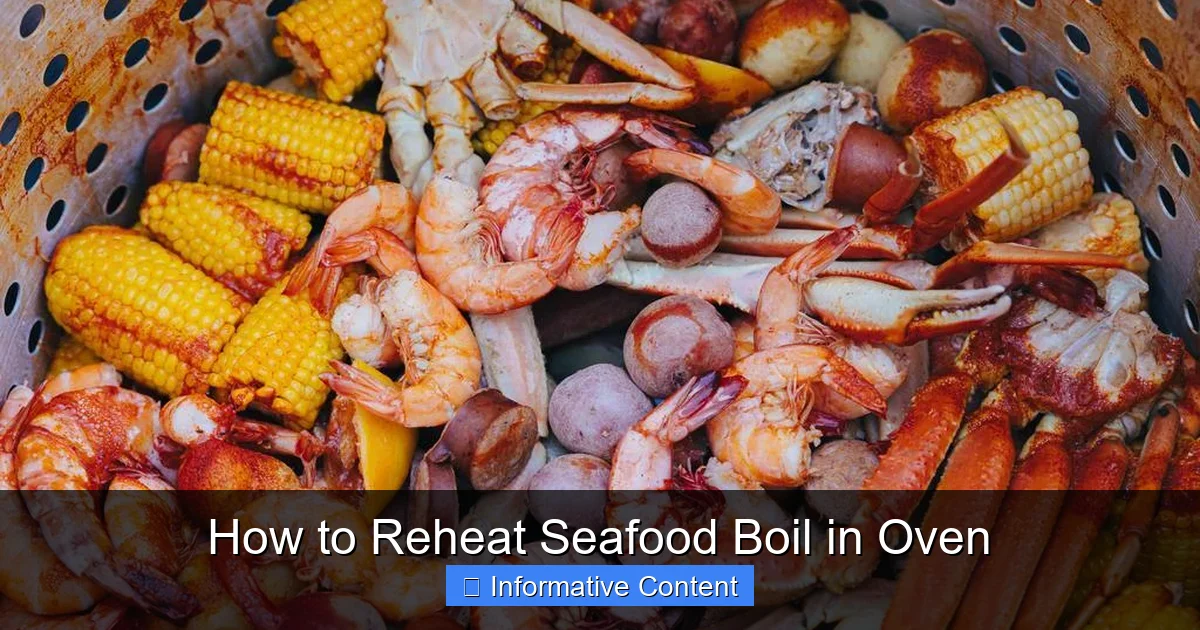
Visual guide about How to Reheat Seafood Boil in Oven
Image source: howtoreheat.com
Before you start, gather a few basic kitchen tools to make the process smooth and effective. You don’t need anything fancy—just items you probably already have.
Essential Tools and Ingredients
- Baking dish with sides: A 9×13-inch glass or ceramic dish works best. The sides help contain juices and prevent spills.
- Aluminum foil: Used to cover the dish and trap steam, keeping everything moist.
- Broth or water: A splash of seafood stock, chicken broth, or even water helps create steam and prevents drying.
- Meat thermometer: Optional but helpful to check that seafood reaches a safe internal temperature of 145°F.
- Oven mitts and tongs: For safe handling when removing hot dishes.
Optional Add-ons for Extra Flavor
- Butter or olive oil: A small pat of butter or drizzle of oil adds richness and helps prevent sticking.
- Fresh lemon wedges: Squeezed over the boil after reheating for a bright, fresh finish.
- Chopped parsley or green onions: Adds color and a pop of fresh flavor.
- Old Bay or Cajun seasoning: A light sprinkle can revive the spice blend if it’s faded.
Step-by-Step Guide to Reheating Seafood Boil in Oven
Now that you’re set up, let’s walk through the process step by step. This method works for most seafood boils—whether you’ve got shrimp, crab, lobster, clams, or a mix.
Step 1: Preheat the Oven
Set your oven to 275°F to 300°F. This low and slow temperature is key. High heat will overcook the seafood, making shrimp tough and crab meat dry. A gentle reheat preserves texture and flavor.
Step 2: Prepare the Baking Dish
Place your leftover seafood boil in a single layer in the baking dish. Try to keep shrimp, crab, and other seafood on top so they don’t get buried under heavier items like potatoes or corn. This helps them heat evenly.
If your boil is dry or lacks liquid, add a few tablespoons of broth, water, or even a splash of white wine to the dish. This creates steam and prevents sticking.
Step 3: Add Moisture and Cover
Drizzle a little olive oil or place small pats of butter over the seafood and veggies. Then, cover the dish tightly with aluminum foil. The foil traps steam, which gently reheats everything without drying it out.
If you’re reheating corn on the cob, you can wrap each ear individually in foil with a little butter for extra juiciness.
Step 4: Reheat in the Oven
Place the covered dish in the preheated oven. Reheat for 15 to 25 minutes, depending on the amount and type of seafood.
- Small portions (1–2 servings): 15–18 minutes
- Larger portions (3–4 servings): 20–25 minutes
Avoid opening the oven door too often, as this lets heat escape and slows the process.
Step 5: Check for Doneness
After the initial time, carefully remove the dish (use oven mitts!) and lift the foil slightly to check. The seafood should be hot throughout, and the internal temperature should reach 145°F.
Shrimp should be opaque and firm, not translucent. Crab and lobster meat should be steaming and tender. Potatoes and corn should be heated through but not mushy.
If anything seems cool, re-cover and return to the oven for another 3–5 minutes.
Step 6: Finish and Serve
Once heated through, remove the dish from the oven. Uncover and let it rest for 2–3 minutes. This allows the heat to distribute evenly.
Then, squeeze fresh lemon juice over the top and sprinkle with chopped parsley or green onions. Serve immediately while hot.
Tips for Best Results
Even with the right method, a few extra tips can make your reheated seafood boil shine.
Don’t Overcrowd the Dish
If you’re reheating a large amount, consider using two baking dishes instead of one crowded pan. Overcrowding leads to uneven heating and can trap too much moisture, making veggies soggy.
Reheat Components Separately (If Needed)
For the best texture, you can reheat seafood and veggies separately. Place delicate items like shrimp and mussels in one dish and heartier items like potatoes and corn in another. This way, you can control the timing for each.
Add Fresh Elements at the End
Reheated seafood can sometimes taste a little “off” or flat. Combat this by adding fresh ingredients after reheating. A squeeze of lemon, a sprinkle of herbs, or a dash of hot sauce can revive the flavor and make it taste fresh again.
Use Leftover Broth Wisely
If you saved the broth from your original boil, use it! Pour a little into the baking dish before reheating. It adds moisture and brings back that rich, spicy flavor.
Store Properly Before Reheating
Always refrigerate leftover seafood boil within 2 hours of cooking. Store it in an airtight container for up to 3 days. Never leave it at room temperature overnight.
Common Mistakes to Avoid
Even experienced cooks can make errors when reheating seafood boil. Here are a few to watch out for.
Using High Heat
Cranking the oven to 400°F might seem faster, but it’s a recipe for disaster. High heat dries out seafood quickly, turning shrimp into rubber bands and crab meat into chalky bits. Stick to low and slow.
Skipping the Cover
Leaving the dish uncovered lets moisture escape, especially in a hot oven. Without steam, your boil will dry out. Always use foil or a lid.
Reheating Too Long
It’s easy to overdo it, especially if you’re not checking the temperature. Set a timer and check early. Overcooked seafood loses its delicate texture.
Reheating More Than Once
Only reheat what you plan to eat. Repeated heating and cooling increases the risk of foodborne illness and degrades quality. If you have leftovers after reheating, eat them within 1–2 days.
Safety Tips for Reheating Seafood
Seafood is more perishable than other proteins, so food safety is crucial.
Check the Smell and Appearance
Before reheating, inspect your leftover boil. If it smells sour, fishy, or off, or if the seafood looks slimy or discolored, don’t risk it. When in doubt, throw it out.
Reheat to 145°F
Use a food thermometer to ensure the internal temperature reaches at least 145°F. This kills harmful bacteria and ensures safe consumption.
Don’t Reheat After 3 Days
Seafood boils should be eaten within 3 days of refrigeration. Beyond that, the risk of spoilage increases, even if it looks and smells fine.
Conclusion
Reheating seafood boil in the oven is simple, safe, and delivers delicious results. By using low heat, covering the dish, and adding a touch of moisture, you can revive your leftover boil to taste nearly as good as the first time. Whether you’re enjoying a cozy dinner at home or serving up a second helping at a gathering, this method ensures your shrimp, crab, corn, and potatoes stay tender, juicy, and full of flavor.
With a little care and attention, you’ll avoid the common pitfalls of dry or overcooked seafood. So next time you have leftover seafood boil, skip the microwave and reach for the oven instead. Your taste buds—and your dinner guests—will thank you.
Frequently Asked Questions
Can I reheat seafood boil in a toaster oven?
Yes, as long as it fits. Use the same low temperature (275°F–300°F) and cover with foil. Check frequently to avoid overcooking.
Why is my reheated shrimp rubbery?
This usually happens from overcooking. Shrimp cook quickly, so reheat gently and avoid high heat or long cooking times.
Can I reheat seafood boil on the stovetop instead?
Yes, but it’s harder to control. Use a covered pot on low heat with a little broth, stirring gently to avoid breaking delicate seafood.
Should I remove shells before reheating?
It’s not necessary, but removing large shells (like crab legs) can help heat penetrate better. Shrimp can be reheated in or out of shells.
How do I keep potatoes from getting mushy when reheating?
Place them on the bottom of the dish and avoid overcooking. Reheat just until hot—potatoes absorb moisture quickly.
Can I add fresh seafood to leftover boil when reheating?
It’s not recommended. Fresh seafood cooks faster than leftovers and may overcook. Reheat separately and combine at the end.