
Roasting sunflower seeds in the oven is a simple, delicious way to enhance their natural nutty flavor and crunchy texture. With just a few ingredients and minimal prep, you can turn raw seeds into a healthy, satisfying snack or a tasty addition to your favorite dishes.
Key Takeaways
- Choose raw, unsalted sunflower seeds for the best results and full control over flavor.
- Preheat your oven to 325°F (165°C) to ensure even roasting without burning.
- Use a baking sheet lined with parchment paper for easy cleanup and even heat distribution.
- Stir the seeds every 5–7 minutes to promote uniform browning and prevent hot spots.
- Roast for 15–20 minutes until golden brown and fragrant—watch closely near the end.
- Season after roasting while the seeds are still warm for maximum flavor absorption.
- Store cooled seeds in an airtight container to maintain freshness for up to two weeks.
Quick Answers to Common Questions
How long do roasted sunflower seeds last?
When stored in an airtight container at room temperature, roasted sunflower seeds stay fresh for up to two weeks. For longer storage, keep them in the fridge for up to a month or freeze for up to three months.
Can I roast sunflower seeds without oil?
Yes! You can roast sunflower seeds dry—just spread them on a baking sheet and toast as usual. They’ll still crisp up and develop flavor, though oil helps with even browning and seasoning adhesion.
Should I use in-shell or shelled seeds?
It depends on your preference. In-shell seeds are fun to crack and eat slowly, while shelled seeds are ready to snack or cook with immediately. Both roast the same way.
What’s the best oven temperature for roasting sunflower seeds?
325°F (165°C) is ideal. It’s hot enough to toast the seeds evenly but not so hot that they burn quickly.
Can I roast sunflower seeds on the stovetop instead?
Yes, you can toast them in a dry skillet over medium heat, stirring constantly. However, oven roasting gives more even results, especially for larger batches.
📑 Table of Contents
Why Roast Sunflower Seeds at Home?
Sunflower seeds are more than just a ballpark snack—they’re a nutritional powerhouse packed with healthy fats, protein, vitamin E, magnesium, and selenium. But while store-bought roasted seeds are convenient, they often come with added salt, oils, or preservatives. Roasting sunflower seeds at home gives you complete control over the ingredients and flavor, ensuring a fresher, healthier result.
Plus, there’s something deeply satisfying about the process. The gentle crackle of seeds toasting in the oven, the rich, nutty aroma that fills your kitchen—it’s a simple pleasure that connects you to your food in a meaningful way. Whether you’re prepping a batch for snacking, adding crunch to a salad, or using them in baking, homemade roasted sunflower seeds elevate everyday meals with minimal effort.
What You’ll Need to Get Started
Roasting sunflower seeds doesn’t require fancy equipment or hard-to-find ingredients. With just a few basics, you’re ready to go. Here’s what you’ll need:
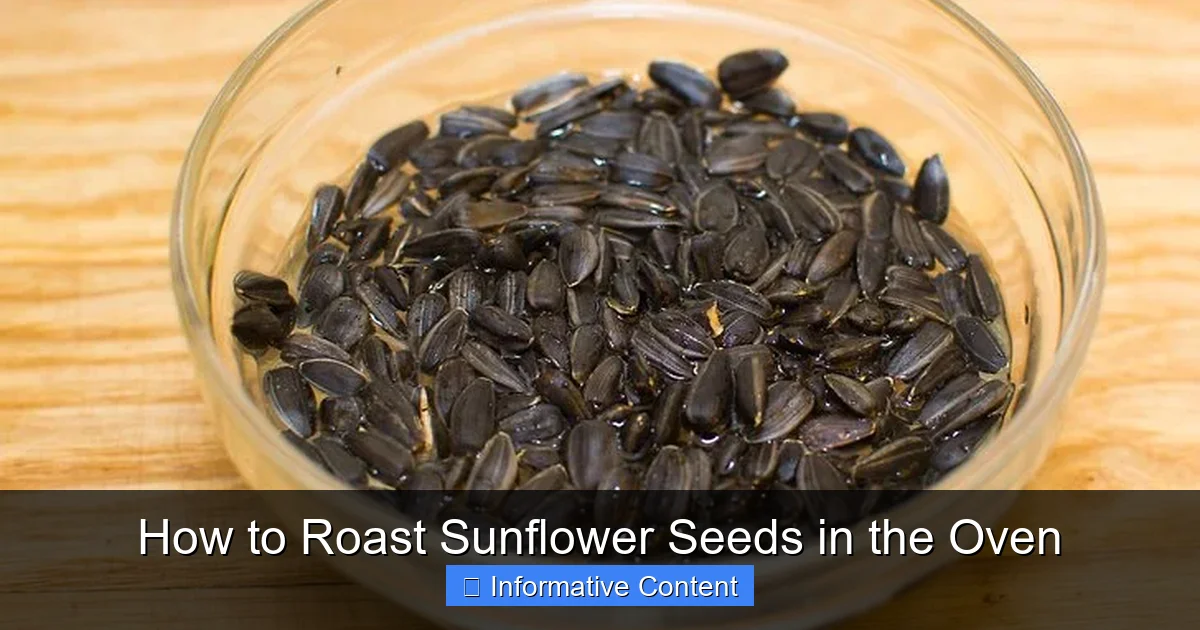
Visual guide about How to Roast Sunflower Seeds in the Oven
Image source: wikihow.com
Ingredients
- 1 to 2 cups raw, unsalted sunflower seeds (in-shell or shelled—your choice)
- 1–2 teaspoons of oil (optional; olive, avocado, or coconut oil work well)
- Salt or other seasonings (to taste; see flavor ideas below)
Equipment
- Baking sheet
- Parchment paper or silicone baking mat
- Mixing bowl (if tossing with oil and seasonings)
- Spatula or wooden spoon
- Airtight container for storage
Tip: If you’re using in-shell seeds, you’ll need to crack them open after roasting to enjoy the kernels inside. Shelled seeds are ready to eat right away—ideal for snacking or cooking.
Step-by-Step Guide to Roasting Sunflower Seeds
Roasting sunflower seeds in the oven is a straightforward process, but a few key steps ensure perfect results every time. Follow this simple method for golden, crunchy seeds that are full of flavor.
Step 1: Preheat the Oven
Set your oven to 325°F (165°C). This moderate temperature allows the seeds to roast evenly without burning. Avoid higher heat—sunflower seeds have a high oil content and can scorch quickly if the oven is too hot.
Step 2: Prepare the Seeds
If you’re using raw, unsalted seeds straight from the bag, you’re good to go. For extra flavor and crispiness, toss the seeds in a bowl with a small amount of oil—about 1 teaspoon per cup of seeds. This helps the seasonings stick and promotes even browning. Add salt or other spices at this stage if you prefer.
Alternatively, you can skip the oil and season after roasting. Dry-roasting is a great option if you’re watching your oil intake or want a lighter snack.
Step 3: Spread on a Baking Sheet
Line a baking sheet with parchment paper or a silicone mat to prevent sticking and make cleanup a breeze. Spread the seeds in a single, even layer. Avoid overcrowding—this ensures each seed roasts properly and doesn’t steam instead of toast.
Step 4: Roast and Stir
Place the baking sheet in the center of the oven. Roast for 15–20 minutes, stirring every 5–7 minutes. This step is crucial: it prevents burning and ensures all sides of the seeds get evenly toasted. You’ll know they’re done when they turn a light golden brown and give off a rich, nutty aroma.
Pro tip: Taste one near the end of the roasting time. If it’s still soft or bland, give it another minute or two. Be careful not to over-roast—burnt seeds taste bitter and lose their nutritional value.
Step 5: Cool and Season
Once roasted, remove the seeds from the oven and let them cool completely on the baking sheet. This helps them crisp up further. If you didn’t season before roasting, now’s the time to sprinkle on salt, garlic powder, smoked paprika, or your favorite spice blend while the seeds are still warm. The heat helps the flavors adhere better.
Flavor Variations and Seasoning Ideas
One of the best things about roasting sunflower seeds at home is the freedom to customize the flavor. Plain salted seeds are delicious, but don’t be afraid to get creative. Here are some popular and tasty seasoning combinations:
Savory Options
- Classic Salted: Just a pinch of sea salt—simple and satisfying.
- Garlic & Herb: Mix in garlic powder, onion powder, dried oregano, and a touch of black pepper.
- Smoky BBQ: Combine smoked paprika, brown sugar, garlic powder, and a dash of cayenne for a sweet-spicy kick.
- Everything Bagel: Use a store-bought blend or make your own with sesame seeds, poppy seeds, garlic flakes, onion flakes, and sea salt.
Sweet Twists
- Cinnamon Sugar: Toss warm seeds with a mix of cinnamon and a small amount of sugar or maple syrup.
- Honey Roasted: Drizzle with honey after roasting and sprinkle with sea salt for a sweet-salty balance.
- Chocolate Drizzle: Melt dark chocolate and drizzle over cooled seeds for a decadent treat.
Experiment with different spice blends to match your meals—try curry powder for a bold twist or lemon zest and thyme for a fresh, zesty flavor.
Storing and Using Roasted Sunflower Seeds
Proper storage keeps your roasted sunflower seeds fresh and crunchy. Once completely cooled, transfer them to an airtight container or resealable bag. Store at room temperature for up to two weeks, or in the refrigerator for up to a month. For longer storage, freeze them for up to three months—just thaw at room temperature before eating.
Creative Ways to Use Roasted Sunflower Seeds
While they’re delicious on their own, roasted sunflower seeds add texture and nutrition to a variety of dishes:
- Salads: Sprinkle over green salads, grain bowls, or fruit salads for a crunchy boost.
- Baking: Fold into muffin, bread, or cookie dough for added texture and nutty flavor.
- Yogurt & Oatmeal: Top your morning bowl with a handful for extra protein and healthy fats.
- Homemade Trail Mix: Combine with nuts, dried fruit, and dark chocolate chips for a portable snack.
- Pesto & Sauces: Blend into pesto instead of pine nuts for a budget-friendly, nut-free alternative.
They’re also a great addition to energy bars, granola, or even as a crunchy coating for baked chicken or fish.
Common Mistakes to Avoid
Even simple recipes can go wrong if you’re not careful. Here are a few common pitfalls and how to avoid them:
Over-Roasting
Sunflower seeds can go from golden to burnt in seconds. Always set a timer and check frequently during the last few minutes. Burnt seeds taste bitter and can be harmful if consumed in large amounts.
Skipping the Stir
Stirring ensures even roasting. If you skip this step, some seeds may stay pale while others burn. Make it a habit to stir every 5–7 minutes.
Using Old or Rancid Seeds
Check the freshness of your raw seeds before roasting. Rancid seeds have a sour or off smell and won’t improve with roasting. Store raw seeds in a cool, dry place and use within a few months for best quality.
Over-Seasoning
It’s easy to go overboard with salt or spices. Start with a small amount and taste as you go. You can always add more, but you can’t take it away.
Conclusion
Roasting sunflower seeds in the oven is a quick, easy, and rewarding process that transforms a simple seed into a flavorful, crunchy delight. With just a few minutes of prep and 15–20 minutes in the oven, you can enjoy a healthy snack or enhance your favorite recipes with homemade goodness. Whether you prefer them plain, salty, or boldly seasoned, roasted sunflower seeds are a versatile pantry staple worth mastering.
So next time you’re looking for a satisfying crunch, skip the packaged snacks and try roasting your own. Your taste buds—and your body—will thank you.
Frequently Asked Questions
Are roasted sunflower seeds healthy?
Yes, roasted sunflower seeds are a nutritious snack rich in healthy fats, protein, fiber, and essential vitamins and minerals. Just watch the salt and oil if you’re monitoring your intake.
Can I roast sunflower seeds in an air fryer?
Absolutely! Use the air fryer at 320°F (160°C) for 10–15 minutes, shaking the basket halfway through. Keep a close eye to prevent overcooking.
Why do my sunflower seeds taste bitter?
Bitterness usually means the seeds were over-roasted or burnt. Reduce the cooking time and stir more frequently to avoid this.
Do I need to rinse raw sunflower seeds before roasting?
No, rinsing isn’t necessary unless the seeds are dusty. Just pat them dry if they’re wet, as excess moisture can prevent proper roasting.
Can I roast flavored sunflower seeds from the store?
It’s not recommended. Pre-seasoned or salted seeds may burn or become overly salty when roasted again. Stick to raw, unsalted seeds for best results.
Are roasted sunflower seeds safe for nut allergies?
Sunflower seeds are naturally nut-free and a great alternative for people with tree nut allergies. However, always check packaging for cross-contamination warnings if allergies are severe.