How to Choose the Best Kitchen Knife
[FEATURED_IMAGE_PLACEOLDER]
Whether you’re a weekend home cook or a seasoned culinary enthusiast, your kitchen knife is arguably the most important tool in your arsenal. It’s the extension of your hand—the instrument that transforms raw ingredients into delicious meals with precision, speed, and control. Yet, despite its central role, many people settle for subpar knives that dull quickly, feel uncomfortable, or simply fail to perform when it matters most. A high-quality kitchen knife isn’t just a luxury; it’s an investment in your cooking experience, safety, and long-term enjoyment in the kitchen.
This comprehensive guide is designed to demystify the process of choosing the best kitchen knife for your needs. We’ll walk you through every critical factor—from blade material and handle ergonomics to price ranges and brand reputation—so you can make an informed decision with confidence. You’ll learn how to evaluate performance, avoid common pitfalls, and understand what truly separates a mediocre knife from a masterpiece. Whether you’re shopping for your first quality knife or upgrading your entire collection, this guide will equip you with the knowledge to cut through the noise and find the perfect blade.
The market today is flooded with options: from budget-friendly sets at big-box stores to hand-forged Japanese masterpieces costing hundreds of dollars. With so many choices, it’s easy to feel overwhelmed. But by focusing on what truly matters—performance, durability, comfort, and value—you can navigate this landscape like a pro. By the end of this article, you’ll not only know what to look for but also how to prioritize your needs, avoid overpaying for gimmicks, and select a knife that will serve you well for years to come.

What to Look for When Buying Buying Guide
1. Blade Material
The blade material is the foundation of any kitchen knife’s performance. It determines how sharp the knife can get, how long it stays sharp, and how resistant it is to rust and wear. The two primary categories are stainless steel and high-carbon steel, each with distinct advantages.
Stainless steel blades are corrosion-resistant and low-maintenance, making them ideal for everyday use. They’re less prone to rust and staining, especially in humid environments. However, many standard stainless steels don’t hold an edge as well as high-carbon alternatives. Look for premium stainless steels like VG-10, AUS-10, or X50CrMoV15, which offer a balance of sharpness retention and rust resistance.
High-carbon steel, on the other hand, excels in edge retention and sharpness. Knives made from high-carbon steel can achieve razor-like edges and are favored by professional chefs. The downside? They require more care—regular drying and occasional oiling to prevent rust. If you’re willing to put in the maintenance, high-carbon blades deliver superior performance.
2. Blade Construction: Forged vs. Stamped
The way a knife is made significantly impacts its durability, balance, and performance. There are two main construction methods: forged and stamped.
Forged knives are made by heating a single piece of steel and hammering it into shape. This process creates a dense, strong blade with a full tang (the metal extends through the handle), resulting in superior balance and longevity. Forged knives are typically heavier and more durable, making them ideal for heavy-duty tasks like chopping bones or dense vegetables.
Stamped knives, in contrast, are cut from a flat sheet of steel and then shaped. They’re lighter, more flexible, and usually less expensive. While they may not be as robust as forged blades, modern stamped knives—especially those from reputable brands—can perform exceptionally well. They’re often easier to sharpen and great for precision tasks like slicing and dicing.
Choose forged for durability and heft, stamped for agility and affordability.
3. Handle Design and Ergonomics
A knife is only as good as it feels in your hand. An uncomfortable or poorly balanced handle can lead to fatigue, reduced control, and even injury over time. When evaluating handles, consider material, shape, and grip.
Handle materials range from wood and plastic to composite and metal. Wood offers a classic, warm feel but requires maintenance to prevent cracking. Plastic and polymer handles are durable and easy to clean but may lack aesthetic appeal. Composite materials like Pakkawood (a resin-impregnated wood) offer the best of both worlds—beauty and durability.
Ergonomics matter just as much. Look for a handle that fits naturally in your grip, with contours that support your fingers and palm. A well-designed handle reduces hand strain during prolonged use. Also, check the balance point—ideally, the knife should feel evenly balanced between the blade and handle, or slightly blade-heavy for better chopping control.
4. Blade Shape and Purpose
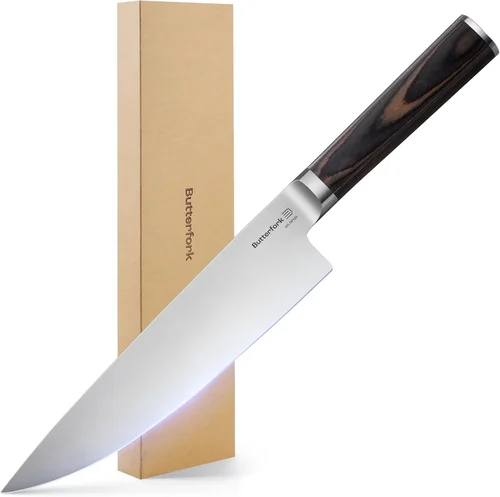
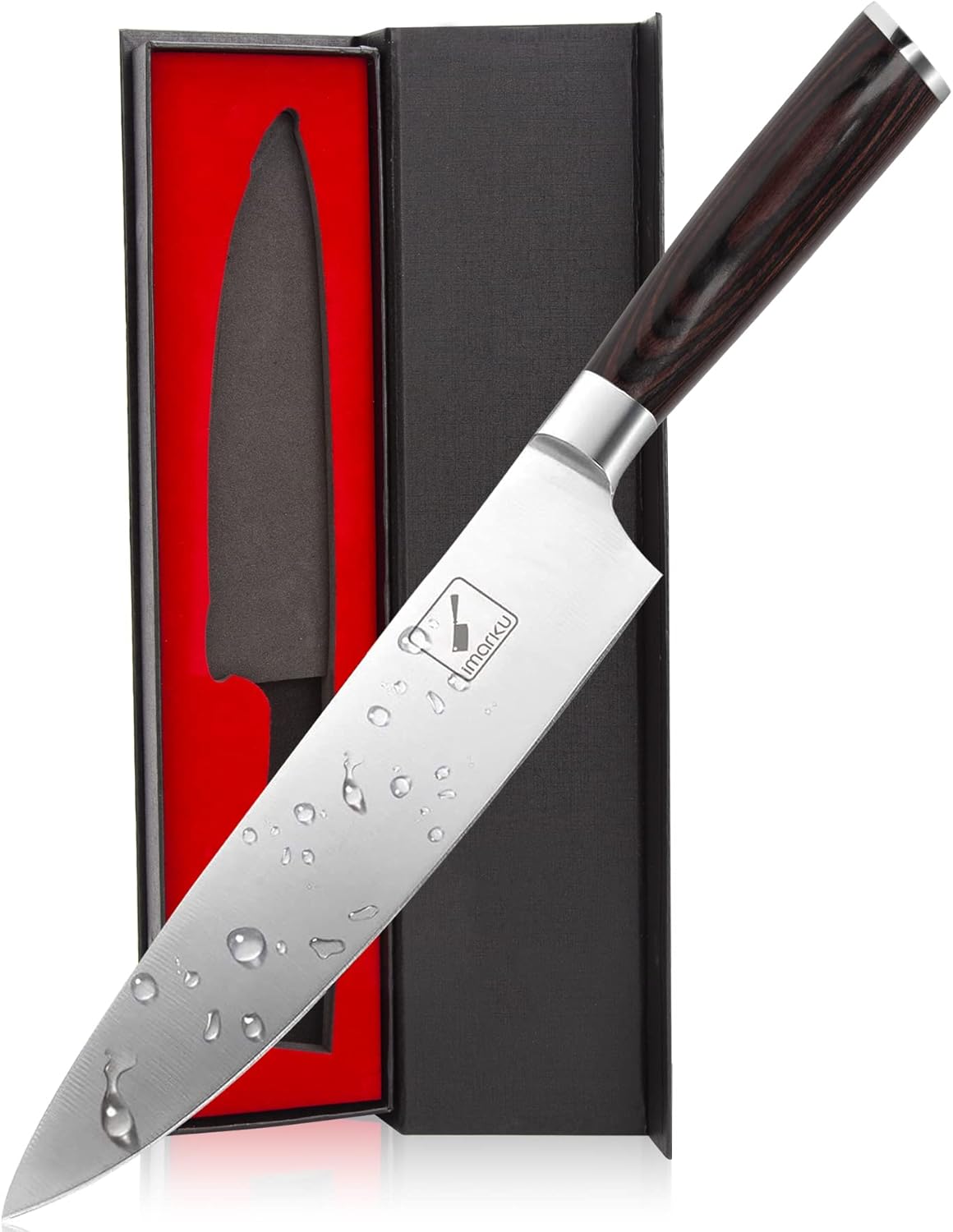
Not all knives are created equal—different blade shapes are designed for specific tasks. The most versatile and essential knife in any kitchen is the chef’s knife, typically ranging from 6 to 10 inches. Its curved blade allows for a rocking motion, making it ideal for chopping, slicing, and dicing.
Other common types include:
– Paring knife (3–4 inches): For peeling, trimming, and detailed work.
– Serrated knife: Perfect for slicing bread, tomatoes, and other soft-skinned items.
– Utility knife (5–7 inches): A middle ground between chef’s and paring knives.
– Santoku knife: A Japanese-style blade great for slicing, dicing, and mincing, often with a granton edge to reduce sticking.
Choose a knife based on your most frequent cooking tasks. If you only buy one, a high-quality 8-inch chef’s knife is the best all-around option.
5. Edge Geometry and Sharpness
The edge of a knife—how it’s ground and angled—affects how it cuts. Most Western knives feature a 20-degree bevel per side, offering a balance of sharpness and durability. Japanese knives often have a sharper 15-degree angle, resulting in finer cuts but requiring more frequent sharpening.
Look for knives with a consistent, even edge grind. A poorly ground blade will tear food instead of slicing cleanly. Some premium knives feature convex or hollow grinds for specialized performance, but for most home cooks, a standard flat or slightly hollow grind is ideal.
Sharpness out of the box is also important. A knife should come razor-sharp and ready to use. Test it by slicing a tomato—if it crushes instead of cuts, the edge needs work.
6. Weight and Balance
The weight and balance of a knife influence control, speed, and fatigue. A heavier knife can power through tough ingredients with less effort, while a lighter one offers greater agility and precision.
Balance is key. A well-balanced knife feels like an extension of your arm. To test balance, place your finger at the point where the blade meets the handle (the bolster). The knife should rest evenly without tipping forward or backward.
Most chefs prefer a slightly blade-heavy balance for chopping, but personal preference plays a role. Try holding different knives to see what feels natural.
7. Maintenance and Ease of Sharpening
Even the best knife will dull over time. How easily it can be sharpened and maintained is a crucial consideration. High-carbon steel knives sharpen well but may require more frequent touch-ups. Stainless steel can be harder to sharpen but often holds an edge longer.
Consider the sharpening tools you’ll use. A whetstone offers the most control and precision, while pull-through sharpeners are convenient but can damage blades over time. Honing rods help maintain the edge between sharpenings.
Choose a knife that matches your willingness to maintain it. If you prefer low maintenance, go for a high-quality stainless steel blade. If you enjoy the ritual of sharpening, high-carbon steel may be more satisfying.
8. Brand Reputation and Craftsmanship
Not all knife brands are equal. Established brands like Wüsthof, Shun, Global, and Victorinox have decades of experience and consistent quality control. They often use superior materials and manufacturing processes, resulting in reliable, long-lasting knives.
That said, lesser-known brands can offer excellent value, especially in the mid-range. Research reviews, materials, and warranty policies. A reputable brand stands behind its products with strong customer support and repair services.
Avoid cheap, no-name brands that cut corners on materials and construction. They may save you money upfront but will cost more in the long run due to poor performance and short lifespan.
Different Types of Buying Guide
Common Buying Mistakes to Avoid
❌ Mistake: Buying a Knife Set Instead of Individual Knives
Why it’s bad: Most knife sets include unnecessary or low-quality blades, and you often pay more per knife than if you bought them individually. You may end up with a block full of knives you never use.
What to do instead: Start with one high-quality chef’s knife and add others as needed. Build your collection over time based on actual use.
❌ Mistake: Prioritizing Price Over Quality
Why it’s bad: Cheap knives are often made from inferior steel, poorly balanced, and dull quickly. They can be dangerous due to lack of control.
What to do instead: Invest in one or two excellent knives rather than a full set of mediocre ones. A $100 knife that lasts 10 years is better value than a $30 knife that lasts one.
❌ Mistake: Ignoring Handle Comfort
Why it’s bad: An uncomfortable handle leads to hand fatigue, reduced precision, and increased risk of slipping.
What to do instead: Hold the knife before buying. If shopping online, read reviews about ergonomics and consider brands known for comfort.
❌ Mistake: Overlooking Maintenance Needs
Why it’s bad: High-carbon steel knives require regular care. Neglecting them leads to rust and poor performance.
What to do instead: Choose a knife that matches your maintenance willingness. If you won’t oil or sharpen regularly, go stainless.
❌ Mistake: Believing All “Japanese” Knives Are Superior
Why it’s bad: While many Japanese knives are exceptional, not all are. Some are overpriced or poorly made. Western knives can be just as good.
What to do instead: Focus on materials, construction, and reviews—not just origin. Compare performance, not labels.
❌ Mistake: Skipping the Test Cut
Why it’s bad: A knife may look sharp but perform poorly on real food. Visual inspection isn’t enough.
What to do instead: Always test a knife on a tomato or piece of paper. A clean slice indicates a true edge.
❌ Mistake: Ignoring Warranty and Support
Why it’s bad: Knives can chip, warp, or break. Without warranty support, you’re stuck with a damaged tool.
What to do instead: Choose brands with strong warranties (lifetime is ideal) and responsive customer service.
Budget Guidelines: How Much Should You Spend?
– Entry-Level ($20–$50): These knives are often stamped, made from basic stainless steel, and may lack balance. Suitable for occasional cooks or students. Look for trusted brands like Victorinox Fibrox for reliable performance at this price.
– Mid-Range ($50–$150): This is the sweet spot for most home cooks. You’ll find forged or high-quality stamped blades, better steel (like VG-10), and improved ergonomics. Brands like Wüsthof Classic, Shun Premier, and Global offer excellent value here.
– Premium ($150–$300): For enthusiasts and serious cooks. These knives use top-tier materials, precision forging, and superior edge retention. Expect handcrafted details, beautiful handles, and long-term durability.
– Luxury ($300+): Hand-forged, artisanal knives from master craftsmen. Often made with rare steels, exotic handles, and custom fittings. These are for collectors or professionals who appreciate the art of knife-making.
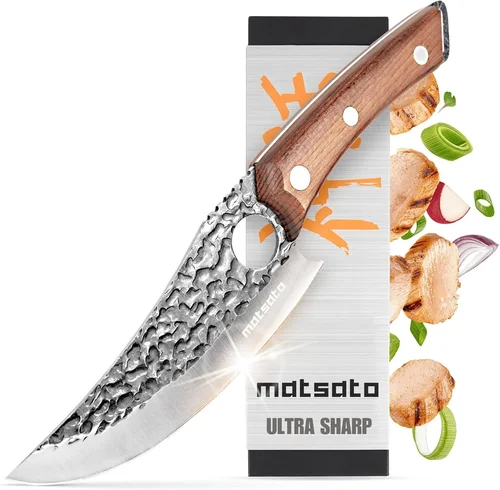
Expert Tips for Getting the Best Deal
– Buy during sales: Look for discounts during Black Friday, Amazon Prime Day, or end-of-season kitchen sales. Many retailers offer 20–30% off premium brands.
– Shop online with care: Online retailers often have better prices and selection, but check return policies. Some brands (like Shun) offer free sharpening services with purchase.
– Consider refurbished or outlet models: Many brands sell refurbished knives at significant discounts. These are often inspected and restored to like-new condition.
– Test in-store when possible: Visit kitchen stores to handle knives. Feel the weight, balance, and grip. Online reviews can’t replace hands-on experience.
– Look for bundle deals: Some retailers offer knife + sharpener or knife + block combos at a discount. Just ensure you’re not paying for items you don’t need.
– Check warranty terms: A lifetime warranty is ideal. Ensure it covers chipping, cracking, and manufacturing defects—not just normal wear.
– Buy from authorized dealers: Avoid counterfeit knives by purchasing from brand-authorized retailers. This also ensures warranty validity.
– Start small: Begin with one high-quality chef’s knife. Add others as your skills and needs grow.

Frequently Asked Questions
Q: Should I buy a German or Japanese knife?
A: German knives (like Wüsthof) are typically heavier, durable, and great for chopping. Japanese knives (like Shun) are lighter, sharper, and excel at precision slicing. Choose based on your cooking style—German for robustness, Japanese for finesse.
Q: How often should I sharpen my knife?
A: It depends on use. Home cooks may sharpen every 6–12 months. Use a honing rod weekly to maintain the edge between sharpenings.
Q: Can I put my knife in the dishwasher?
A: No. Dishwashers expose knives to harsh detergents, high heat, and impact, which can damage the blade and handle. Always hand wash and dry immediately.
Q: What’s the best way to store knives?
A: Use a knife block, magnetic strip, or blade guards. Avoid storing loose in drawers, where blades can chip or dull.
Q: Is a full tang important?
A: Yes. A full tang (metal extending through the handle) improves balance, strength, and durability. It’s a hallmark of quality.
Q: How do I know if a knife is sharp?
A: Test it on a ripe tomato. A sharp knife will slice cleanly without crushing. You can also try the paper test—slicing through a sheet of printer paper.
Q: Are expensive knives worth it?
A: For serious cooks, yes. A high-quality knife improves safety, efficiency, and enjoyment. But you don’t need the most expensive—focus on value and fit.
Q: Can I sharpen a serrated knife?
A: Yes, but it requires a specialized tapered sharpener. Most home cooks send serrated knives to professionals for sharpening.
Q: What’s the difference between a chef’s knife and a santoku?
A: A chef’s knife has a curved blade for rocking cuts; a santoku has a straighter edge and granton dimples to reduce sticking. Both are versatile, but the santoku is often preferred for precision slicing.
Q: How do I prevent rust on my knife?
A: Dry immediately after washing. For high-carbon steel, apply a light coat of mineral oil occasionally. Store in a dry place.
Our Final Recommendations
– Best for Budget-Conscious Buyers: Victorinox Fibrox Pro 8″ Chef’s Knife – Outstanding performance under $50, durable, and widely used by professionals.
– Best Overall Value: Wüsthof Classic 8″ Chef’s Knife – Forged German steel, excellent balance, and a lifetime warranty. A workhorse for any kitchen.
– Best Premium Option: Shun Premier 8″ Chef’s Knife – Handcrafted Japanese blade with stunning Damascus cladding and razor-sharp edge. Ideal for enthusiasts.
– Best for Beginners: Mercer Culinary Genesis 8″ Chef’s Knife – Affordable, well-balanced, and easy to maintain. Great first quality knife.
– Best for Advanced Users: Global G-2 8″ Chef’s Knife – Lightweight, seamless design, and exceptional sharpness. Favored by professional chefs worldwide.
Conclusion: Making the Right Choice
Choosing the best kitchen knife isn’t about finding the most expensive or the sharpest—it’s about finding the right tool for your hands, your cooking style, and your lifestyle. By focusing on blade material, construction, ergonomics, and real-world performance, you can cut through marketing hype and make a decision that enhances your time in the kitchen.
Remember, a great knife should feel like an extension of your will—effortless, precise, and reliable. It should inspire you to cook more, chop faster, and enjoy the process. Whether you’re dicing onions for a weeknight stir-fry or preparing a holiday feast, the right knife makes all the difference.
So take your time. Do your research. Test before you buy. And when you find that perfect blade, treat it with care—it will serve you well for years to come. Your kitchen deserves nothing less.