How to Choose the Best Kitchen Knife
Choosing the right kitchen knife isn’t just about picking something sharp and shiny off the shelf. It’s one of the most personal and impactful decisions you’ll make in your kitchen. Think about it: your knife is an extension of your hand, a tool you’ll use dozens—if not hundreds—of times a week. Whether you’re dicing onions, slicing tomatoes, or breaking down a whole chicken, the right knife can make cooking faster, safer, and more enjoyable. The wrong one? It can turn meal prep into a frustrating, even dangerous, chore.
This guide exists because too many people buy knives based on looks, brand names, or flashy marketing—not performance, ergonomics, or long-term value. We’ve tested dozens of knives across price ranges, materials, and styles to bring you a no-nonsense, expert-level buying guide. By the end of this article, you’ll know exactly what to look for, what to avoid, and how to find the best kitchen knife for your cooking style, budget, and kitchen setup. Whether you’re a weekend home cook or a seasoned home chef, this guide will help you cut through the noise and make a confident, informed decision.
The market today is flooded with options—from $10 budget blades to $500+ hand-forged Japanese masterpieces. Brands like Wüsthof, Shun, Global, Victorinox, and Miyabi dominate the conversation, but lesser-known makers and direct-to-consumer startups are also gaining traction. With so many choices, it’s easy to feel overwhelmed. But don’t worry: we’re here to simplify the process. We’ll break down the key factors that matter most, compare different types of knives, highlight common pitfalls, and give you actionable advice to help you find the perfect blade. Let’s get started.
What to Look for When Buying Buying Guide
1. Blade Material
The blade material is arguably the most critical factor in a knife’s performance and longevity. Most kitchen knives are made from either carbon steel, stainless steel, or a hybrid (often called “high-carbon stainless steel”). Carbon steel blades, like those from traditional Japanese makers, offer exceptional sharpness and edge retention but require more maintenance—they’re prone to rust and discoloration if not dried immediately after use. Stainless steel, on the other hand, resists corrosion and is easier to care for, though it may not hold an edge quite as long. High-carbon stainless steel strikes a balance, offering the best of both worlds: sharpness, durability, and rust resistance. Look for reputable steel grades like VG-10, AUS-10, or X50CrMoV15, which are commonly used in high-quality knives.
2. Blade Construction
How a knife is made affects its balance, durability, and feel. There are two main types: forged and stamped. Forged knives are made by heating and hammering a single piece of steel into shape, then grinding and tempering it. This process creates a dense, strong blade with a full tang (the metal extends through the handle), offering superior balance and longevity. Stamped knives are cut from a sheet of steel and then shaped and sharpened. They’re lighter and often less expensive, but may lack the heft and durability of forged blades. While stamped knives can still perform well—especially from brands like Global—they’re generally better suited for lighter tasks and less frequent use.
3. Handle Design and Ergonomics
A knife is only as good as it feels in your hand. A poorly designed handle can cause fatigue, slippage, or even injury over time. Look for handles that fit comfortably in your grip, with contours that support your fingers and palm. Materials matter too: wood offers a classic, warm feel but requires more care; synthetic materials like POM (polyoxymethylene) or G-10 are durable, dishwasher-safe, and resistant to moisture. Avoid handles with seams or rough edges, and ensure the tang is securely riveted or bonded. A full tang not only improves balance but also adds structural integrity. If possible, hold the knife before buying—comfort is subjective, and what feels right for one person might not suit another.
4. Blade Shape and Purpose
Not all knives are created equal—and they shouldn’t be. The shape of the blade determines its function. A chef’s knife (typically 6–10 inches) is the workhorse of the kitchen, ideal for chopping, slicing, and dicing. A paring knife (3–4 inches) excels at detail work like peeling, trimming, and coring. A serrated knife is essential for bread and tomatoes, while a utility knife bridges the gap between chef’s and paring knives. Japanese-style knives like the santoku or gyuto offer different profiles—flatter edges for rock-chopping or push-cutting—compared to the curved Western chef’s knife. Choose based on your cooking style: if you do a lot of vegetable prep, a santoku might suit you better; if you’re butchering meat or working with dense produce, a traditional chef’s knife could be the better fit.
5. Edge Retention and Sharpening
A sharp knife is a safe knife. Dull blades require more force, increasing the risk of slips and accidents. Edge retention refers to how long a knife stays sharp with regular use. High-quality steel and proper heat treatment improve edge retention, but no knife stays sharp forever. Consider how easy it is to sharpen the blade: some steels respond well to whetstones, while others may require specialized tools. Japanese knives, for example, often use harder steel that holds an edge longer but can be more brittle and challenging to sharpen. If you’re not comfortable maintaining a knife with a whetstone, look for models that are easier to hone or come with sharpening guides. Many brands now offer lifetime sharpening services—a valuable perk for busy home cooks.
6. Balance and Weight
Balance is the sweet spot where the blade and handle feel like one unified tool. A well-balanced knife reduces hand fatigue and improves control. There are two types of balance: blade-heavy (the weight is toward the tip) and handle-heavy (the weight is toward the handle). Blade-heavy knives are great for chopping and rocking motions, while handle-heavy knives offer more precision for detailed tasks. The ideal balance point is usually just in front of the handle, where your index finger rests. Weight also plays a role: heavier knives can power through tough ingredients but may tire your wrist over time; lighter knives are nimble but may lack momentum. Try holding different knives—your hand will tell you what feels right.
7. Maintenance and Care
Even the best knife will underperform if it’s not properly cared for. Consider how much maintenance you’re willing to do. Carbon steel knives need immediate drying and occasional oiling to prevent rust. Stainless steel is more forgiving but still benefits from hand washing and proper storage. Avoid dishwashers—they can damage handles, dull edges, and cause corrosion. Store knives in a block, on a magnetic strip, or in protective sheaths to prevent blade damage. Regular honing with a steel rod helps maintain the edge between sharpenings. If you’re not keen on upkeep, opt for a low-maintenance stainless steel knife with a durable handle.
8. Brand Reputation and Warranty
While brand isn’t everything, it often correlates with quality control, customer service, and long-term reliability. Established brands like Wüsthof, Zwilling, Shun, and Victorinox have decades of experience and rigorous testing standards. They also typically offer solid warranties—often lifetime coverage against defects. Lesser-known brands can offer great value, but research their reputation and return policies. A good warranty isn’t just about free repairs; it’s a sign the manufacturer stands behind their product. Check if the company offers sharpening services, replacement parts, or responsive customer support. A knife is an investment—make sure the brand treats it that way.
Different Types of Buying Guide
Common Buying Mistakes to Avoid
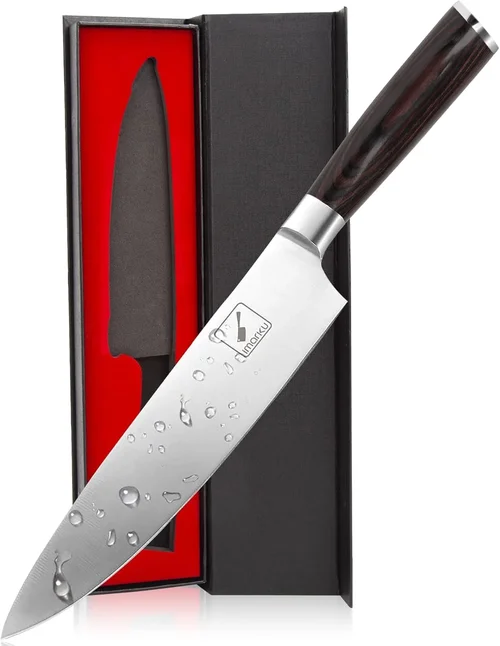
❌ Mistake: Buying a Knife Set Instead of Individual Pieces
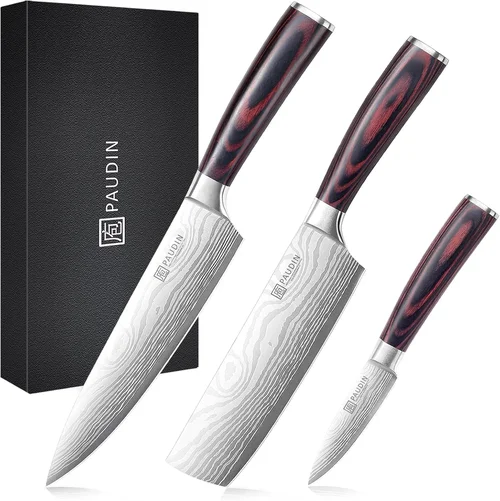
Why it’s bad: Knife sets often include unnecessary or low-quality blades, and you end up paying for items you’ll never use. Many sets feature hollow handles, poor balance, or inferior steel to cut costs.
What to do instead: Start with a high-quality chef’s knife and paring knife. Add a serrated knife and utility knife as needed. Build your collection over time based on actual use.
❌ Mistake: Prioritizing Looks Over Function
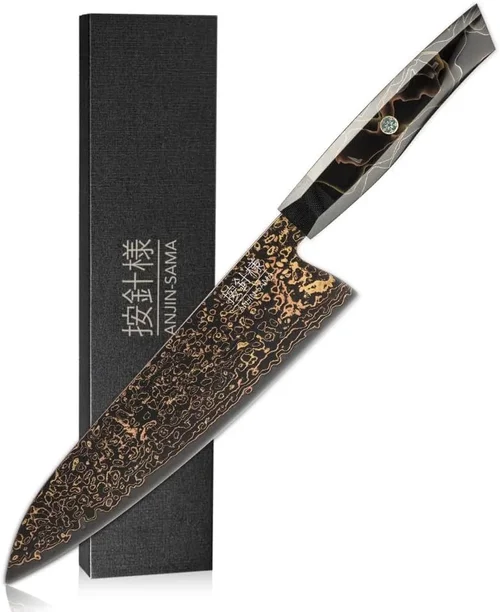
Why it’s bad: A beautiful Damascus pattern or ornate handle doesn’t guarantee performance. Some decorative knives sacrifice balance, edge retention, or comfort for aesthetics.
What to do instead: Focus on ergonomics, blade material, and balance. A knife that feels good in your hand will outperform a pretty one every time.
❌ Mistake: Ignoring Maintenance Requirements
Why it’s bad: Buying a high-maintenance knife (like carbon steel) without understanding the care it needs leads to rust, frustration, and premature replacement.
What to do instead: Choose a knife that matches your lifestyle. If you’re busy or forgetful, go for stainless steel with a durable handle.
❌ Mistake: Choosing the Wrong Size
Why it’s bad: A 10-inch chef’s knife may be too large for small hands or compact kitchens, while a 6-inch knife might lack the leverage for heavy chopping.
What to do instead: Consider your hand size and typical tasks. Most adults do well with an 8-inch chef’s knife, but try different lengths if possible.
❌ Mistake: Overpaying for Brand Names
Why it’s bad: Some brands charge a premium for marketing, not quality. You might pay $200 for a knife that performs similarly to a $100 alternative.
What to do instead: Research independent reviews and steel specs. Brands like Victorinox offer professional-grade performance at a fraction of the cost.
❌ Mistake: Skipping the Test Drive
Why it’s bad: Buying online without holding the knife can lead to disappointment. Weight, balance, and grip are hard to judge from photos.
What to do instead: Visit a kitchen store to handle knives in person. If buying online, choose retailers with generous return policies.
❌ Mistake: Neglecting Storage
Why it’s bad: Storing knives loosely in a drawer dulls edges and risks injury. It also shortens the knife’s lifespan.
What to do instead: Invest in a knife block, magnetic strip, or blade guards. Proper storage protects your investment and keeps your knives sharp.
Budget Guidelines: How Much Should You Spend?
– Entry-Level ($20–$50): You’ll find stamped stainless steel knives from brands like Mercer and Victorinox. These are great for beginners or occasional use. Expect decent sharpness out of the box, but limited edge retention and lighter construction. Ideal for students, small kitchens, or backup knives.
– Mid-Range ($50–$150): This is the sweet spot for most home cooks. You’ll find forged knives with high-carbon stainless steel, full tangs, and ergonomic handles. Brands like Wüsthof Classic, Shun Premier, and Zwilling Pro offer excellent performance, durability, and balance. These knives will last years with proper care.
– Premium ($150–$300): For enthusiasts and serious home chefs, premium knives offer superior steel (like VG-10 or SG2), hand-forged construction, and refined craftsmanship. Expect razor-sharp edges, exceptional balance, and beautiful finishes. These knives are built to perform and impress.
– Luxury ($300+): Hand-forged Japanese knives from makers like Masamoto, Hiromoto, or Yoshikane represent the pinnacle of knife-making. These are works of art—lightweight, ultra-sharp, and meticulously balanced. They require expert care and are best suited for collectors or professional chefs.
Expert Tips for Getting the Best Deal
– Buy during seasonal sales: Look for discounts around Black Friday, Cyber Monday, and post-holiday clearance events. Many retailers offer 20–30% off premium brands.
– Shop at specialty kitchen stores: Stores like Williams Sonoma, Sur La Table, or local cutlery shops often have knowledgeable staff and allow you to test knives in person.
– Check direct-to-consumer brands: Companies like Made In, Hedley & Bennett, and Material offer high-quality knives at lower prices by cutting out the middleman.
– Read verified user reviews: Look for detailed feedback on edge retention, comfort, and durability. Avoid reviews that only mention packaging or shipping.
– Consider refurbished or factory seconds: Some brands sell slightly imperfect knives at a discount. These often perform just as well as new ones.
– Ask about sharpening services: Some retailers offer free lifetime sharpening—a huge value add that can save you time and money.
– Test the return policy: Make sure you can return or exchange the knife if it doesn’t feel right. A 30-day trial period is ideal.
– Invest in a good sharpener: Even the best knife needs maintenance. A quality whetstone or honing rod extends the life of your blade and keeps it performing at its best.

Frequently Asked Questions
Q: Should I buy a German or Japanese knife?
A: German knives (like Wüsthof or Zwilling) are typically heavier, more durable, and better for chopping through bones or dense vegetables. Japanese knives (like Shun or Global) are lighter, sharper, and excel at precision tasks. Choose based on your cooking style—German for power, Japanese for finesse.
Q: How often should I sharpen my knife?
A: It depends on use. Home cooks might sharpen every 6–12 months, while professionals may do it monthly. Hone your knife weekly with a steel rod to maintain the edge between sharpenings.
Q: Can I put my knife in the dishwasher?
A: No. Dishwashers expose knives to harsh detergents, high heat, and moisture, which can damage handles, dull edges, and cause corrosion. Always hand wash and dry immediately.
Q: What’s the best way to store knives?
A: Use a knife block, magnetic strip, or blade guards. Avoid storing knives loose in drawers, as this dulls the edge and poses a safety risk.
Q: Is a full tang necessary?
A: Not always, but it improves balance and durability. Full tang knives feel more solid and are less likely to break under pressure. For heavy use, it’s worth the extra cost.
Q: How do I know if a knife is sharp?
A: A sharp knife should slice through a tomato or piece of paper with minimal pressure. If it tears or requires force, it’s dull and needs sharpening.
Q: Are expensive knives worth it?
A: For frequent cooks, yes. A high-quality knife improves safety, efficiency, and enjoyment in the kitchen. For occasional use, a mid-range knife is sufficient.
Q: Can I use a chef’s knife for everything?
A: While versatile, a chef’s knife isn’t ideal for every task. Use a paring knife for detail work and a serrated knife for bread. Having the right tool for the job makes cooking easier.
Q: What’s the difference between a santoku and a chef’s knife?
A: A santoku has a flatter edge and shorter blade, ideal for push-cutting and slicing vegetables. A chef’s knife has a curved edge for rocking motions and is better for chopping herbs or meat.
Our Final Recommendations
– Best for Budget-Conscious Buyers: Victorinox Fibrox Pro Chef’s Knife ($45) – Outstanding value, NSF-certified, comfortable grip, and holds an edge well. A favorite among professionals and home cooks alike.
– Best Overall Value: Wüsthof Classic 8-Inch Chef’s Knife ($150) – Forged high-carbon stainless steel, full tang, excellent balance, and lifetime warranty. A workhorse that lasts decades.
– Best Premium Option: Shun Premier 8-Inch Chef’s Knife ($220) – Hand-sharpened VG-10 core, Damascus cladding, stunning aesthetics, and razor-sharp performance. Ideal for serious cooks.
– Best for Beginners: Mercer Culinary Genesis 8-Inch Chef’s Knife ($60) – Affordable, durable, and easy to maintain. Great for learning proper knife skills without a huge investment.
– Best for Advanced Users: Miyabi Birchwood SG2 9.5-Inch Gyuto ($400) – Ultra-sharp SG2 steel, hand-forged in Japan, and breathtaking craftsmanship. For those who demand perfection.
Conclusion: Making the Right Choice
Choosing the best kitchen knife isn’t about finding the most expensive or the most beautiful option—it’s about finding the one that feels like an extension of your hand. Consider your budget, cooking habits, and maintenance preferences. Prioritize comfort, balance, and blade quality over flashy features or brand names. Remember, a great knife doesn’t just cut food—it enhances your entire cooking experience.
Don’t rush the decision. Take your time, read reviews, and if possible, hold the knife before you buy. And once you’ve made your choice, treat it with care: wash it by hand, store it properly, and keep it sharp. A well-maintained knife can last a lifetime.
Whether you’re slicing your first tomato or preparing a holiday feast, the right knife makes all the difference. Use this guide as your roadmap, and you’ll never have to settle for a dull, uncomfortable blade again. Happy cooking—and happy cutting.