
[FEATURED_IMAGE_PLACEOLDER]
Choosing the right kitchen knife isn’t just about picking a sharp blade from a drawer—it’s about finding a tool that becomes an extension of your hand, enhancing your cooking experience with precision, comfort, and confidence. Whether you’re dicing onions for a weeknight stir-fry or carving a roast for a holiday dinner, the quality of your knife can make all the difference. A great knife reduces effort, improves safety, and elevates the entire process of food preparation. Yet, with countless options flooding the market—from budget-friendly sets to hand-forged Japanese masterpieces—it’s easy to feel overwhelmed. That’s where this guide comes in.
In this comprehensive buying guide, you’ll learn everything you need to know to select the best kitchen knife for your needs, skill level, and budget. We’ll break down the essential factors that influence performance and longevity, compare different types of knives, highlight common pitfalls to avoid, and offer expert-backed recommendations. Whether you’re a home cook just starting out or a seasoned culinary enthusiast looking to upgrade your toolkit, this guide will empower you to make a confident, informed decision. From understanding blade materials to decoding brand reputations, we’ve got you covered.
The kitchen knife market today is more diverse than ever. You’ll find everything from mass-produced stamped blades under $20 to handcrafted Damascus steel knives costing hundreds of dollars. While variety is a good thing, it also means more noise and marketing hype to sift through. Our goal is to cut through the clutter and deliver clarity. By the end of this article, you’ll not only know what to look for in a high-performing knife but also how to balance cost, quality, and functionality to find your perfect match.

What to Look for When Buying Buying Guide
1. Blade Material
The blade material is arguably the most critical factor in determining a knife’s performance, durability, and maintenance needs. High-carbon stainless steel is the gold standard for most home cooks because it offers an excellent balance of sharpness, corrosion resistance, and edge retention. Brands like Wüsthof and Zwilling use high-quality versions of this steel, often labeled as X50CrMoV15 or similar. Carbon steel, favored by professional chefs for its razor-sharp edge and ease of sharpening, requires more care to prevent rust but delivers superior cutting performance. Ceramic blades are lightweight and retain sharpness for years, but they’re brittle and prone to chipping. Avoid low-quality stainless steel found in cheap sets—it dulls quickly and is difficult to sharpen.
2. Blade Construction: Forged vs. Stamped
Forged knives are made by heating a single piece of steel and hammering it into shape, then grinding the edge. This process creates a heavier, more balanced knife with a full tang (the blade extends through the handle), offering superior durability and control. Stamped knives, on the other hand, are cut from a sheet of steel and then shaped and sharpened. They’re lighter and often less expensive, making them ideal for casual cooks. While forged knives are generally considered higher quality, modern stamped knives from reputable brands can still perform exceptionally well—especially for everyday tasks.
3. Handle Design and Ergonomics
A knife’s handle should feel comfortable and secure in your hand, even during prolonged use. Look for ergonomic designs that contour to your grip and reduce fatigue. Materials matter too: wood handles offer a classic feel and good grip but require more maintenance. Synthetic materials like POM (polyoxymethylene) or G-10 are durable, moisture-resistant, and easy to clean. Avoid overly smooth or slippery handles, especially if you have smaller hands or plan to use the knife in wet conditions. A well-designed handle also contributes to balance—ideally, the knife should feel neutral or slightly blade-heavy for better cutting control.
4. Blade Length and Shape
The length and shape of the blade determine what tasks a knife is best suited for. An 8-inch chef’s knife is the most versatile option for home cooks, ideal for chopping, slicing, and dicing a wide range of ingredients. A 6-inch knife offers more control for smaller hands or detailed work, while a 10-inch version provides extra reach for larger items like melons or roasts. Santoku knives, typically 5 to 7 inches, feature a straighter edge and grant a Granton edge (small divots) to reduce sticking, making them excellent for vegetables and fish. Paring knives (3–4 inches) are perfect for peeling and intricate tasks, while serrated knives excel at slicing bread without crushing it.
5. Edge Retention and Sharpening Ease
A knife that stays sharp longer saves time and effort. Edge retention depends on the steel’s hardness, measured on the Rockwell scale (HRC). Knives with an HRC of 56–62 offer a good balance—hard enough to hold an edge but not so hard that they’re brittle. Japanese knives often fall on the higher end (58–62 HRC), while German knives tend to be slightly softer (54–58 HRC), making them more forgiving. Consider how easy it is to sharpen the knife: softer steels are easier to maintain with a whetstone, while harder steels may require more skill. If you’re not confident in your sharpening abilities, look for knives that come with sharpening guides or are compatible with pull-through sharpeners.
6. Weight and Balance
The weight and balance of a knife affect how it feels during use. A well-balanced knife should pivot naturally at the pinch point—where your thumb and index finger grip the blade. Too heavy, and it becomes tiring; too light, and it lacks power. German-style knives (like those from Wüsthof) are typically heavier and blade-forward, ideal for chopping through dense vegetables or meat. Japanese knives (like Shun or Miyabi) are lighter and more nimble, favoring precision slicing. Personal preference plays a big role here—try holding different knives if possible to see which feels most natural.
7. Brand Reputation and Craftsmanship
While brand names shouldn’t be the only deciding factor, they often reflect consistency in quality and design. Established brands like Wüsthof, Zwilling, Global, and Shun have decades of experience and rigorous quality control. They also offer better customer support and warranties. That said, lesser-known brands or artisanal makers can offer excellent value, especially if you’re willing to do some research. Look for brands that are transparent about their materials, manufacturing process, and country of origin. German and Japanese brands are renowned for their craftsmanship, but American and European makers are gaining ground with innovative designs.
8. Warranty and Customer Support
A good warranty is a sign of a manufacturer’s confidence in their product. Most reputable brands offer limited lifetime warranties that cover defects in materials and workmanship. Some even include free sharpening services or replacement policies. Avoid brands with vague or non-existent warranties—this could indicate poor quality or lack of support. Also, consider return policies: if you buy online, ensure the retailer allows returns in case the knife doesn’t feel right. A 30-day trial period is ideal for testing comfort and performance.
Different Types of Buying Guide
Common Buying Mistakes to Avoid
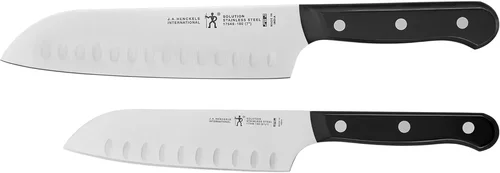
❌ Mistake: Buying a Full Knife Set Without Need
Why it’s bad: Most knife sets include redundant or low-quality blades you’ll never use, often at the expense of a single high-performing knife. You end up paying more for less utility.
What to do instead: Start with a single 8-inch chef’s knife and add specialized knives (like a paring or bread knife) as needed. This approach saves money and ensures each knife is truly useful.
❌ Mistake: Prioritizing Aesthetics Over Function
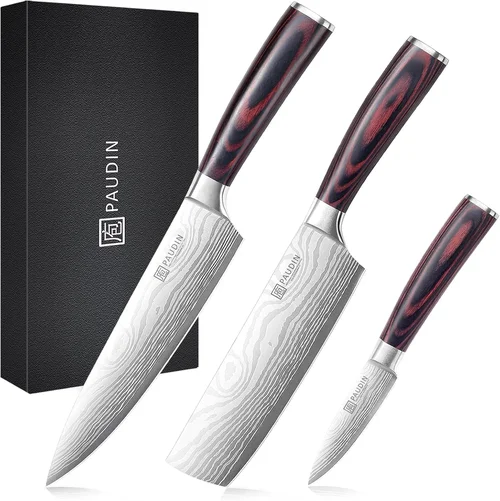
Why it’s bad: A beautifully patterned Damascus blade may look stunning, but if the steel is soft or the handle is uncomfortable, it won’t perform well in real cooking scenarios.
What to do instead: Focus on ergonomics, balance, and blade material first. Aesthetics are a bonus, not a priority.
❌ Mistake: Ignoring Maintenance Requirements
Why it’s bad: Some knives, especially high-carbon or ceramic, require specific care. Neglecting maintenance leads to rust, dullness, or breakage.
What to do instead: Choose a knife that matches your willingness to maintain it. If you prefer low maintenance, go for high-carbon stainless steel and avoid ceramic unless you’re prepared to handle it carefully.
❌ Mistake: Buying Based on Brand Hype Alone
Why it’s bad: Just because a brand is popular doesn’t mean every knife they make is right for you. Some models are overpriced or poorly designed.
What to do instead: Read independent reviews, check user feedback, and compare specific models—not just brand names.
❌ Mistake: Overlooking Handle Comfort
Why it’s bad: An uncomfortable handle can cause hand fatigue, reduce control, and increase the risk of accidents—especially during long prep sessions.
What to do instead: If possible, hold the knife before buying. Look for contoured handles, non-slip materials, and a full tang for better balance.
❌ Mistake: Choosing the Cheapest Option
Why it’s bad: Ultra-cheap knives often use inferior steel, have poor balance, and dull quickly, leading to frustration and the need for frequent replacement.
What to do instead: Invest in at least a mid-range knife ($50–$100). The performance difference is night and day, and it will last years with proper care.
Budget Guidelines: How Much Should You Spend?
Why it’s bad: Some knives, especially high-carbon or ceramic, require specific care. Neglecting maintenance leads to rust, dullness, or breakage.
What to do instead: Choose a knife that matches your willingness to maintain it. If you prefer low maintenance, go for high-carbon stainless steel and avoid ceramic unless you’re prepared to handle it carefully.
❌ Mistake: Buying Based on Brand Hype Alone
Why it’s bad: Just because a brand is popular doesn’t mean every knife they make is right for you. Some models are overpriced or poorly designed.
What to do instead: Read independent reviews, check user feedback, and compare specific models—not just brand names.
❌ Mistake: Overlooking Handle Comfort
Why it’s bad: An uncomfortable handle can cause hand fatigue, reduce control, and increase the risk of accidents—especially during long prep sessions.
What to do instead: If possible, hold the knife before buying. Look for contoured handles, non-slip materials, and a full tang for better balance.
❌ Mistake: Choosing the Cheapest Option
Why it’s bad: Ultra-cheap knives often use inferior steel, have poor balance, and dull quickly, leading to frustration and the need for frequent replacement.
What to do instead: Invest in at least a mid-range knife ($50–$100). The performance difference is night and day, and it will last years with proper care.
Budget Guidelines: How Much Should You Spend?
Why it’s bad: An uncomfortable handle can cause hand fatigue, reduce control, and increase the risk of accidents—especially during long prep sessions.
What to do instead: If possible, hold the knife before buying. Look for contoured handles, non-slip materials, and a full tang for better balance.
❌ Mistake: Choosing the Cheapest Option
Why it’s bad: Ultra-cheap knives often use inferior steel, have poor balance, and dull quickly, leading to frustration and the need for frequent replacement.
What to do instead: Invest in at least a mid-range knife ($50–$100). The performance difference is night and day, and it will last years with proper care.
Budget Guidelines: How Much Should You Spend?
Entry-Level ($20–$50): At this price, you’ll find stamped knives from brands like Victorinox or Mercer. While not forged, the Victorinox Fibrox Pro chef’s knife is a standout—offering excellent value, good edge retention, and a comfortable grip. Expect decent performance but limited longevity and refinement.
Mid-Range ($50–$120): This is the sweet spot for most home cooks. You’ll find high-quality forged and stamped knives from reputable brands like Wüsthof, Zwilling, and Global. These knives offer superior balance, better steel, and longer lifespans. Many include lifetime warranties and are suitable for daily use.
Premium ($120–$250): Ideal for serious home cooks and aspiring chefs. Knives in this range often feature high-end steel (like VG-10 or SG2), handcrafted handles, and exceptional edge retention. Brands like Shun, Miyabi, and MAC excel here. These knives require more care but deliver professional-level performance.
Luxury ($250+): Reserved for collectors, professionals, or enthusiasts. These include hand-forged Japanese knives, custom Damascus blades, or limited-edition designs. While stunning and functional, they may be overkill for everyday cooking unless you’re passionate about the craft.
Expert Tips for Getting the Best Deal
– Buy during seasonal sales: Major retailers like Amazon, Williams Sonoma, and Sur La Table often discount knives during Black Friday, Prime Day, or holiday sales. Sign up for newsletters to get early alerts.
– Consider refurbished or outlet models: Many brands sell factory-refurbished knives at 20–40% off. These are often indistinguishable from new and come with full warranties.
– Shop at kitchen supply stores: Stores like WebstaurantStore or Chef’s Armory offer competitive pricing and bulk discounts, especially for single knives.
– Test before you buy: If shopping in-store, hold the knife and mimic chopping motions. Comfort is subjective—what feels right to one person may not suit another.
– Check return policies: Online purchases can’t be tested beforehand. Choose retailers with generous return windows (30 days or more).
– Invest in a good sharpener: Even the best knife dulls over time. A quality whetstone or guided sharpener extends your knife’s life and maintains performance.
– Bundle with other tools: Some retailers offer discounts when you buy a knife with a cutting board, sharpener, or storage block.
– Read real user reviews: Look beyond star ratings. Detailed reviews on sites like Wirecutter or Reddit often reveal long-term performance and hidden flaws.

Frequently Asked Questions
Q: Should I buy a German or Japanese knife?
A: German knives (like Wüsthof) are heavier, more durable, and better for chopping tough ingredients. Japanese knives (like Shun) are lighter, sharper, and ideal for precision slicing. Choose based on your cooking style and preference for weight.
Q: How often should I sharpen my knife?
A: It depends on usage. Home cooks may need to sharpen every 6–12 months with regular honing weekly. Professionals may sharpen monthly. Use a honing steel between sharpenings to maintain the edge.
Q: Can I put my knife in the dishwasher?
A: No. Dishwashers expose knives to high heat, harsh detergents, and jostling, which can damage the blade and handle. Always hand wash and dry immediately.
Q: What’s the best way to store my knife?
A: Use a knife block, magnetic strip, or blade guard. Avoid tossing knives in drawers where blades can chip or handles can crack.
Q: Is a full tang necessary?
A: Not always, but it improves balance and durability. Many high-quality stamped knives have partial tangs and still perform well. For forged knives, full tang is standard.
Q: Do I need a different knife for meat and vegetables?
A: Not necessarily. A good chef’s knife handles both. However, a serrated knife is essential for bread, and a paring knife helps with delicate tasks.
Q: Are expensive knives worth it?
A: For most home cooks, a mid-range knife ($80–$120) offers the best value. Expensive knives shine in professional settings or for enthusiasts who appreciate craftsmanship.
Q: How do I know if a knife is well-balanced?
A: Balance the knife on your finger at the pinch point. If it sits level, it’s well-balanced. If the handle or blade dips, it may feel awkward during use.
Q: Can I use a chef’s knife for everything?
A: While versatile, a chef’s knife isn’t ideal for everything. Use a paring knife for peeling, a bread knife for slicing, and a cleaver for heavy chopping.
Our Final Recommendations
Best for Budget-Conscious Buyers: Victorinox Fibrox Pro 8″ Chef’s Knife – At around $40, it outperforms most knives in its price range with excellent edge retention and a comfortable, non-slip handle.
Best Overall Value: Wüsthof Classic 8″ Chef’s Knife – A forged German classic with a full tang, high-carbon steel, and a lifetime warranty. Priced around $120, it’s a workhorse for any kitchen.
Best Premium Option: Shun Classic 8″ Chef’s Knife – Made with VG-MAX steel, this Japanese knife offers razor-sharp precision, beautiful Damascus cladding, and exceptional balance. Ideal for serious cooks.
Best for Beginners: Mercer Culinary Genesis 8″ Chef’s Knife – Affordable, durable, and easy to maintain. Great for learning proper knife skills without a big investment.
Best for Advanced Users: Miyabi Birchwood SG2 9.5″ Chef’s Knife – A handcrafted Japanese masterpiece with ultra-hard SG2 steel, stunning aesthetics, and professional-grade performance. Best for those who treat cooking as an art.
Conclusion: Making the Right Choice
Selecting the best kitchen knife is a personal journey that blends practicality, preference, and budget. There’s no one-size-fits-all answer, but by focusing on key factors like blade material, construction, ergonomics, and brand reputation, you can narrow down your options and find a knife that truly enhances your cooking. Avoid common pitfalls like buying unnecessary sets or prioritizing looks over function, and remember that even a mid-range knife can deliver professional results in the hands of a skilled cook.
Ultimately, the right knife should feel like a natural extension of your hand—comfortable, reliable, and capable. Whether you’re slicing herbs for a sauce or carving a holiday turkey, your knife should make the task easier, safer, and more enjoyable. Take your time, do your research, and don’t hesitate to invest in quality. A great knife isn’t just a tool; it’s a long-term companion in the kitchen. So go ahead—choose wisely, sharpen regularly, and cook with confidence.