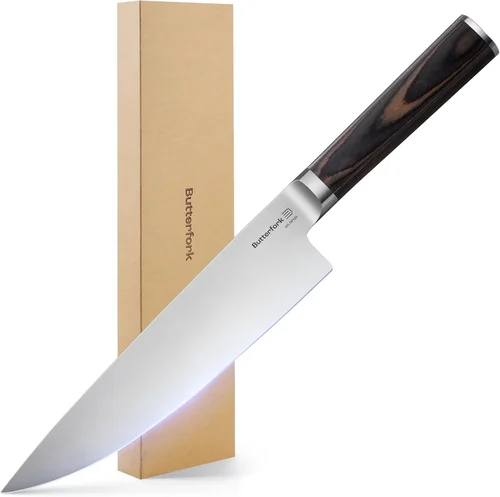
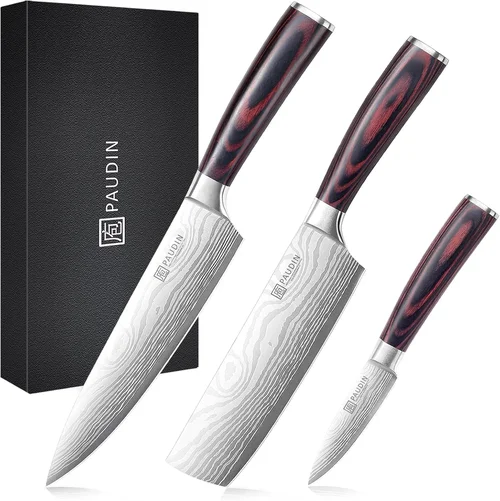
Expert Kitchen Knife Buying Guide
[FEATURED_IMAGE_PLACEOLDER]
A sharp, reliable kitchen knife isn’t just a tool—it’s an extension of your hands in the kitchen. Whether you’re dicing onions for a weeknight stir-fry, slicing through a ripe heirloom tomato, or breaking down a whole chicken, the right knife can make all the difference between frustration and fluidity. Yet, with countless options flooding the market—from budget-friendly sets to hand-forged Japanese masterpieces—choosing the best kitchen knife can feel overwhelming. This guide cuts through the noise to help you make a confident, informed decision.
In this comprehensive buying guide, you’ll learn everything you need to know to select a kitchen knife that matches your cooking style, skill level, and budget. We’ll explore the essential factors that define a great knife—from blade material and handle ergonomics to balance and edge retention. You’ll also discover the key differences between knife types, avoid common purchasing pitfalls, and get expert-backed recommendations tailored to real-world use. Whether you’re a home cook upgrading from a dull supermarket set or a seasoned chef looking for your next workhorse blade, this guide will equip you with the knowledge to invest wisely.
The kitchen knife market is vast and varied, with options spanning from $10 mass-produced blades to $500+ artisan creations. Brands like Wüsthof, Shun, Victorinox, and Global dominate conversations, but lesser-known makers and emerging brands are also gaining traction. With so many variables at play—steel composition, construction method, handle design, and more—it’s easy to get lost. But don’t worry: by the end of this guide, you’ll know exactly what to prioritize, how much to spend, and which knives deliver the best performance for your needs.
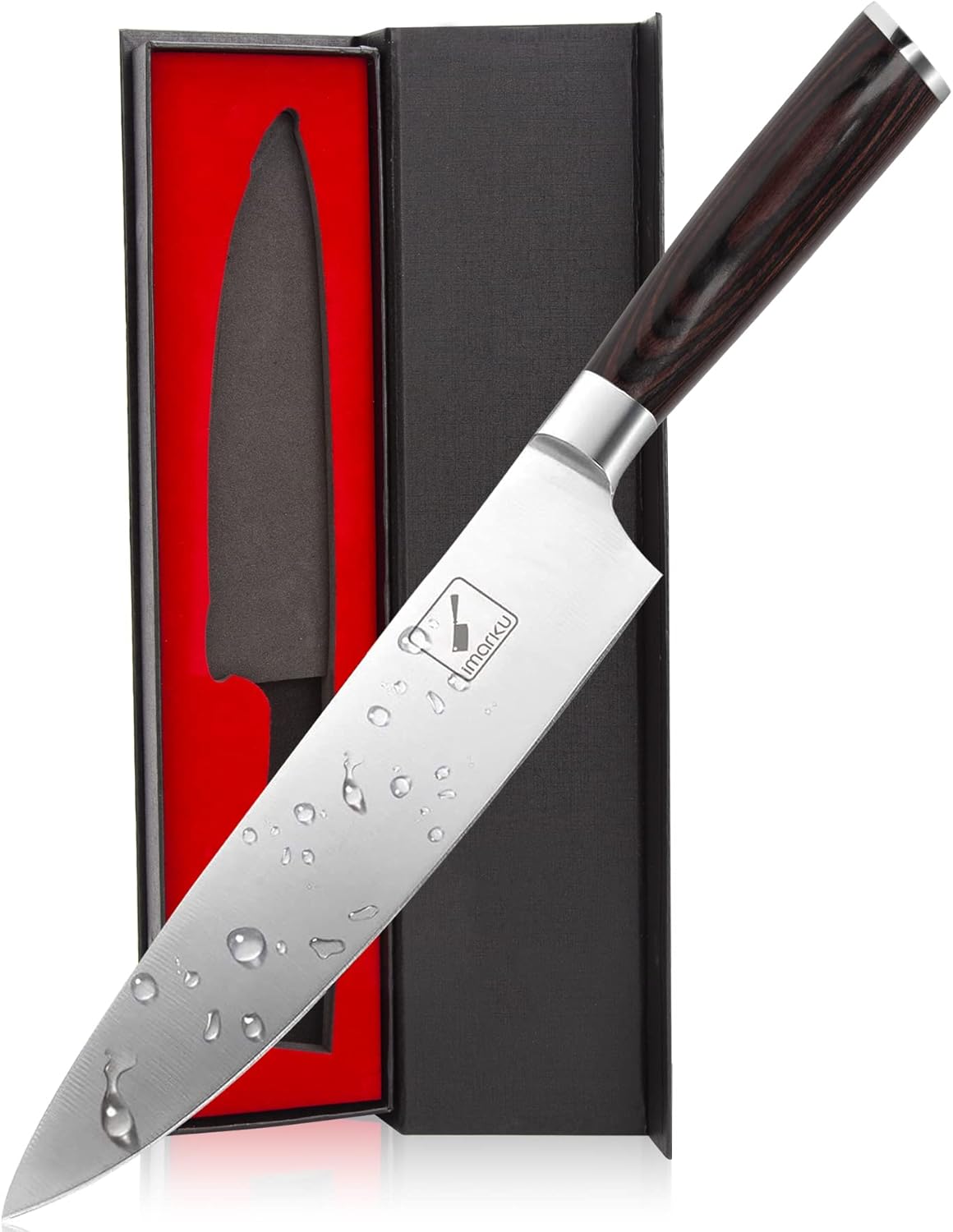
What to Look for When Buying a Kitchen Knife
1. Blade Material
The blade is the heart of any knife, and its material directly affects sharpness, durability, and maintenance. Most kitchen knives are made from stainless steel, carbon steel, or a hybrid. Stainless steel resists rust and corrosion, making it ideal for everyday use and humid kitchens. However, it can be harder to sharpen and may not hold an edge as long as high-carbon steel. Carbon steel, on the other hand, offers superior sharpness and edge retention but requires more care to prevent rust and discoloration. High-carbon stainless steel strikes a balance—offering the best of both worlds—and is often found in mid-to-high-end knives. Look for alloys like VG-10, AUS-10, or X50CrMoV15, which are known for excellent performance and reliability.
2. Blade Construction: Forged vs. Stamped
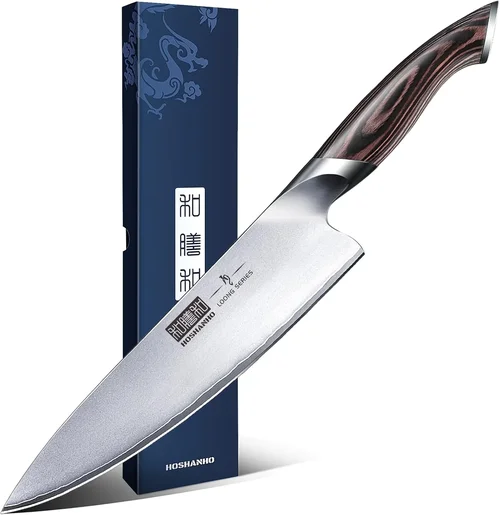
Knives are typically made using one of two methods: forging or stamping. Forged knives are created by heating and hammering a single piece of steel into shape, then grinding the edge. This process results in a heavier, more durable blade with better balance and a bolster (the thick junction between blade and handle) that enhances control. Stamped knives, by contrast, are cut from a sheet of steel and then heat-treated and sharpened. They’re lighter, more affordable, and often easier to maneuver, making them great for beginners. While forged knives are traditionally seen as superior, modern stamped knives—like those from Global or Victorinox—can rival forged ones in performance, especially when made with high-quality steel.
3. Handle Design and Ergonomics
A knife’s handle should feel like a natural extension of your hand. Comfort, grip, and balance are critical, especially during prolonged use. Handles come in various materials: wood (classic and warm but requires maintenance), plastic (durable and dishwasher-safe), and composite (like POM or G-10, which offer strength and moisture resistance). Pay attention to the shape—ergonomic handles with contours for your fingers reduce fatigue. Full tang knives, where the blade extends through the entire handle, offer better balance and durability than partial tang designs. A well-balanced knife should feel neither too blade-heavy nor too handle-heavy when held near the bolster.
4. Edge Geometry and Sharpness
The edge is where the magic happens. Most Western knives feature a double-bevel edge (sharpened on both sides), typically at a 20-degree angle per side, offering durability and ease of sharpening. Japanese knives often have a sharper, thinner edge—sometimes as low as 15 degrees—which allows for precision slicing but may be more prone to chipping. Consider your cutting style: if you do a lot of chopping or rock-cutting, a slightly thicker edge may be better. If you prioritize precision (like slicing sashimi or julienning herbs), a finer edge is ideal. A truly sharp knife should glide through food with minimal pressure—no sawing required.
5. Size and Weight
Knife size affects control and versatility. Chef’s knives—the most popular type—typically range from 6 to 10 inches. An 8-inch chef’s knife is the sweet spot for most home cooks, offering enough length for large tasks without being unwieldy. Smaller knives (like 5- or 6-inch utility knives) are better for detailed work, while larger ones (10-inch) suit professional kitchens or those with larger hands. Weight matters too: heavier knives provide momentum for chopping, while lighter ones offer agility for slicing. Choose based on your hand size, strength, and typical tasks. A knife that feels too heavy or too light will quickly become frustrating.
6. Maintenance and Care Requirements
All knives require care, but some demand more attention than others. High-carbon steel blades need regular drying and occasional oiling to prevent rust. Stainless steel is more forgiving but still benefits from proper cleaning. Consider your lifestyle: if you’re short on time or prefer low-maintenance tools, a stainless steel knife with a rust-resistant coating might be best. Also, think about sharpening. Some knives hold their edge longer (thanks to harder steel), reducing how often you need to sharpen. Invest in a good honing steel and learn basic sharpening techniques—or choose a brand that offers free sharpening services.
7. Brand Reputation and Craftsmanship
While brand alone shouldn’t dictate your choice, reputable manufacturers often deliver consistent quality. German brands like Wüsthof and Zwilling are known for robust, durable knives with excellent balance. Japanese brands like Shun, Miyabi, and Masamoto excel in precision and sharpness. Victorinox offers incredible value with Swiss engineering at accessible prices. Research brands that align with your priorities—whether it’s heritage craftsmanship, innovation, or affordability. Look for companies with transparent sourcing, ethical production, and a history of customer satisfaction.
8. Warranty and Customer Support
A good warranty reflects a brand’s confidence in its product. Many premium knife makers offer lifetime warranties against defects in materials and workmanship. Some even include free sharpening or repair services. Check the fine print: does the warranty cover edge damage from misuse? Is it transferable? Also, consider customer support—can you easily contact the company if issues arise? Brands with strong after-sales service, like Global or MAC, often provide better long-term value, especially if you plan to keep your knife for decades.
Different Types of Kitchen Knives

Common Buying Mistakes to Avoid
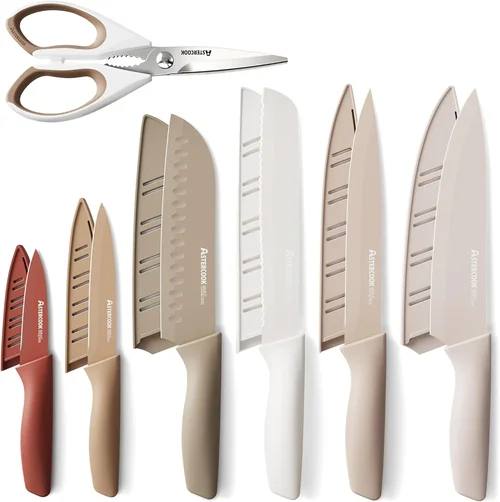
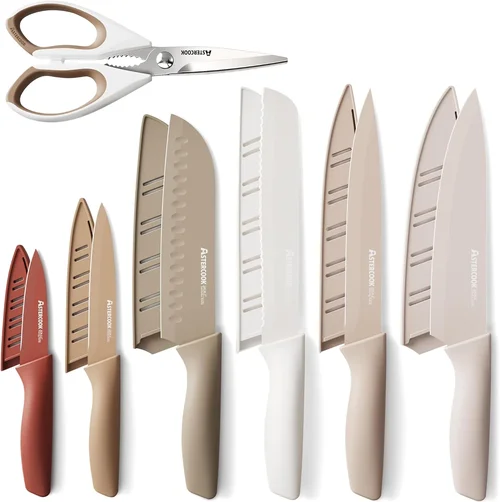
❌ Mistake: Buying a Full Knife Set Without Need
Why it’s bad: Many sets include knives you’ll never use—like a boning knife or cheese knife—while skimping on quality. You end up with a drawer full of mediocre blades instead of one or two excellent ones.
What to do instead: Start with a chef’s knife and paring knife. Add others (like a bread knife or santoku) as needed. Invest in quality over quantity.
❌ Mistake: Prioritizing Looks Over Function
Why it’s bad: A beautifully crafted knife with a stunning handle may feel unbalanced or have a poor edge. Aesthetics shouldn’t override performance.
What to do instead: Hold the knife before buying. Test the grip, balance, and weight. If shopping online, read detailed reviews that discuss ergonomics.
❌ Mistake: Ignoring Maintenance Needs
Why it’s bad: High-carbon steel knives require regular care. If you’re not willing to dry and oil them, they’ll rust and degrade quickly.
What to do instead: Choose a stainless steel or high-carbon stainless steel knife if you prefer low maintenance. Learn basic care routines regardless.
❌ Mistake: Buying the Cheapest Option
Why it’s bad: Budget knives often use soft steel that dulls quickly, leading to frustration and more frequent replacements.
What to do instead: Spend at least $50–$80 on your first quality knife. It will last years and perform far better than a $20 alternative.
❌ Mistake: Overlooking Handle Comfort
Why it’s bad: An uncomfortable handle causes hand fatigue, especially during long prep sessions. Slippery or poorly shaped handles can even be dangerous.
What to do instead: Choose a knife with an ergonomic, non-slip handle. If possible, test it in-store or read user feedback about comfort.
❌ Mistake: Assuming All “Japanese” Knives Are Superior
Why it’s bad: While Japanese knives often excel in sharpness, they may not suit all cutting styles. Their thin blades can chip if used for heavy chopping.
What to do instead: Match the knife to your technique. Use Japanese knives for precision tasks and Western-style knives for rocking motions.
❌ Mistake: Neglecting to Hone and Sharpen
Why it’s bad: Even the best knife dulls over time. Using a dull knife increases the risk of slips and accidents.
What to do instead: Use a honing steel weekly and sharpen your knife every few months. Invest in a quality sharpener or learn to use a whetstone.
Budget Guidelines: How Much Should You Spend?
– Entry-Level ($20–$50): These knives are great for beginners or occasional cooks. Look for stamped stainless steel blades from brands like Victorinox or Mercer. Expect decent sharpness and durability, but softer steel that dulls faster. Avoid ultra-cheap sets—they’re often poorly balanced and prone to bending.
– Mid-Range ($50–$150): This is the sweet spot for most home cooks. Knives in this range often feature high-carbon stainless steel, full tang construction, and ergonomic handles. Brands like Wüsthof Classic, Shun Premier, and Global offer excellent performance and longevity. You’ll get better edge retention, balance, and craftsmanship without breaking the bank.
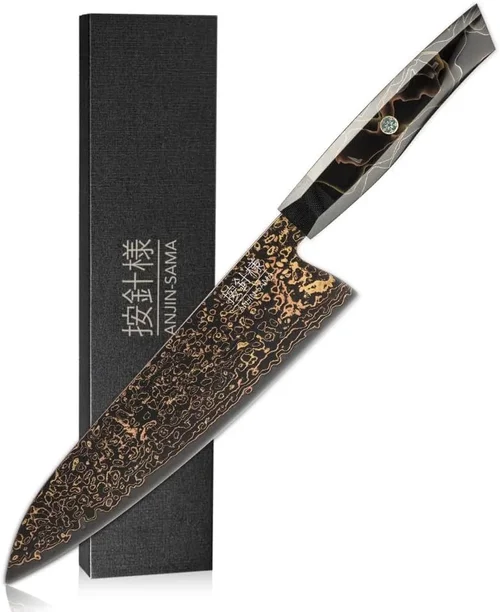
– Premium ($150–$300): Ideal for serious cooks and enthusiasts. These knives use premium steels (like VG-10 or SG2), often with Damascus cladding for beauty and corrosion resistance. Expect superior sharpness, balance, and durability. Forged construction is common, and many come with lifetime warranties.
– Luxury ($300+): Reserved for professionals and collectors. Hand-forged by master smiths, these knives feature exotic materials, intricate designs, and exceptional performance. While stunning, they require significant maintenance and may be overkill for everyday home use.
Expert Tips for Getting the Best Deal
– Buy during seasonal sales: Look for discounts around Black Friday, Cyber Monday, or holiday seasons. Many retailers offer 20–30% off premium brands.
– Shop at specialty kitchen stores: Stores like Williams Sonoma, Sur La Table, or local cutlery shops often have knowledgeable staff and allow you to test knives in person.
– Consider online retailers with generous return policies: Amazon, ChefKnivesToGo, and KnifeCenter offer detailed specs, customer reviews, and easy returns—perfect for trying before committing.
– Look for refurbished or “factory second” knives: Some brands sell lightly used or cosmetically flawed knives at a discount. These are often functionally identical to new ones.
– Invest in a good sharpener: A $30–$50 sharpener can extend your knife’s life and save money long-term. Avoid pull-through sharpeners—they can damage edges.
– Check for warranty perks: Some brands offer free sharpening for life. Wüsthof and Zwilling, for example, provide this service at authorized retailers.
– Buy one knife at a time: Build your collection gradually. Start with a chef’s knife, then add a paring knife, then a bread knife. This ensures each purchase is thoughtful and necessary.
– Read real user reviews: Look beyond star ratings. Search for comments about balance, edge retention, and comfort after months of use.

Frequently Asked Questions
Q: What’s the best all-around kitchen knife?
A: An 8-inch chef’s knife is the most versatile option. It handles chopping, slicing, dicing, and mincing with ease, making it ideal for 90% of kitchen tasks.
Q: Should I buy a German or Japanese knife?
A: German knives (like Wüsthof) are heavier, more durable, and better for chopping. Japanese knives (like Shun) are lighter, sharper, and excel at precision. Choose based on your cutting style.
Q: How often should I sharpen my knife?
A: It depends on use. Home cooks may need to sharpen every 3–6 months. Use a honing steel weekly to maintain the edge between sharpenings.
Q: Can I put my knife in the dishwasher?
A: No. Dishwashers can damage the blade, handle, and edge. Always hand-wash and dry immediately to preserve your knife.
Q: What’s the difference between a santoku and a chef’s knife?
A: A santoku has a straighter edge and grantons (dimples) to reduce sticking. It’s excellent for slicing vegetables. A chef’s knife has a curved edge for rocking motions, making it better for chopping herbs and meat.
Q: Are expensive knives worth it?
A: Yes—if you cook regularly. A high-quality knife improves safety, efficiency, and enjoyment. Think of it as a long-term investment in your kitchen.
Q: How do I know if a knife is balanced?
A: Hold the knife at the bolster (where blade meets handle). It should feel neutral—not tipping forward or backward. A well-balanced knife reduces hand fatigue.
Q: Can I use a chef’s knife for everything?
A: Mostly, yes. But a paring knife is better for peeling, and a bread knife is essential for slicing crusty loaves without crushing them.
Q: What’s the best steel for a kitchen knife?
A: High-carbon stainless steel (like VG-10 or X50CrMoV15) offers the best balance of sharpness, edge retention, and rust resistance.
Q: How do I store my knives safely?
A: Use a knife block, magnetic strip, or blade guards. Never store loose in a drawer—this dulls edges and is unsafe.
Our Final Recommendations
– Best for Budget-Conscious Buyers: Victorinox Fibrox Pro 8-Inch Chef’s Knife – Under $50, this knife outperforms many pricier models with its sharp edge, comfortable grip, and durability.
– Best Overall Value: Wüsthof Classic 8-Inch Chef’s Knife – A forged German classic with excellent balance, edge retention, and a lifetime warranty. Priced around $130, it’s a workhorse for serious home cooks.
– Best Premium Option: Shun Classic 8-Inch Chef’s Knife – Crafted with VG-10 steel and a beautiful Damascus pattern, this Japanese knife offers razor-sharp precision and stunning aesthetics. Ideal for enthusiasts.
– Best for Beginners: Mercer Culinary Genesis 8-Inch Chef’s Knife – Affordable, durable, and easy to maintain. A great entry point into quality cutlery.
– Best for Advanced Users: MAC MTH-80 Professional Series 8-Inch Chef’s Knife – Loved by chefs for its lightweight design, exceptional sharpness, and balance. Perfect for precision tasks.
Conclusion: Making the Right Choice
Choosing the best kitchen knife isn’t about finding the most expensive or the most beautiful option—it’s about finding the one that fits your hands, your cooking style, and your lifestyle. A great knife should feel like a natural extension of your arm, making prep work faster, safer, and more enjoyable. By focusing on blade material, construction, handle comfort, and maintenance needs, you can avoid common pitfalls and invest in a tool that will serve you for years.
Remember, the best knife is the one you’ll actually use. Start with a quality chef’s knife, learn to care for it, and build your collection thoughtfully. Whether you’re slicing tomatoes for a summer salad or carving a holiday roast, the right knife transforms cooking from a chore into a craft. So take your time, do your research, and choose wisely. Your future meals—and your hands—will thank you.