Complete Kitchen Knife Buying Guide
[FEATURED_IMAGE_PLACEOLDER]
Whether you’re dicing onions for a weeknight stir-fry or carving a holiday roast, your kitchen knife is one of the most essential tools in your culinary arsenal. Yet, despite its importance, many home cooks rely on dull, ill-fitting, or poorly constructed knives that make cooking more frustrating than fun. A high-quality knife doesn’t just improve efficiency—it enhances safety, precision, and even your enjoyment in the kitchen. With countless options flooding the market—from budget-friendly sets to hand-forged Japanese blades—it’s easy to feel overwhelmed. That’s where this comprehensive buying guide comes in.
This guide is designed to cut through the noise and help you make an informed decision based on your actual needs, not marketing hype. You’ll learn how to evaluate everything from blade material and handle ergonomics to edge retention and maintenance requirements. We’ll break down the key factors that truly matter, compare different knife types, highlight common pitfalls, and offer expert-backed recommendations across various budgets. Whether you’re a beginner building your first kitchen toolkit or a seasoned home chef looking to upgrade, this guide will equip you with the knowledge to choose a knife that feels like an extension of your hand.
The kitchen knife market today is more diverse than ever. You can spend $10 on a basic chef’s knife or over $500 on a handcrafted Damascus steel blade. Between those extremes lies a spectrum of materials, designs, and craftsmanship levels—each suited to different cooking styles, skill levels, and budgets. Understanding what separates a mediocre knife from a great one isn’t just about price; it’s about knowing which features align with your cooking habits, kitchen setup, and long-term goals. By the end of this guide, you’ll not only know what to look for but also why it matters.
What to Look for When Buying Buying Guide
1. Blade Material
The blade is the heart of any knife, and its material directly impacts performance, durability, and maintenance. The two main categories are stainless steel and high-carbon steel, each with distinct pros and cons. Stainless steel resists rust and corrosion, making it ideal for humid kitchens or frequent dishwasher use—though we strongly advise against putting quality knives in the dishwasher. High-carbon steel holds a sharper edge longer and is easier to sharpen, but it requires more care to prevent rust and discoloration. Many premium knives use a hybrid approach: a high-carbon core sandwiched between stainless layers (known as “san mai” construction), offering the best of both worlds. Look for reputable steel grades like VG-10, AUS-10, or X50CrMoV15, which balance edge retention, toughness, and corrosion resistance.
2. Blade Geometry & Edge Angle
Blade geometry refers to the shape and thickness of the blade from spine to edge, while edge angle determines how sharp and durable the cutting edge is. Western-style knives (like German brands Wüsthof or Zwilling) typically feature thicker blades with a 20-degree edge angle per side, making them robust for chopping through bones or dense vegetables. Japanese knives (such as those from Shun or Miyabi) often have thinner profiles and sharper angles (15–16 degrees), excelling at precision tasks like slicing fish or julienning herbs. A thinner blade reduces friction and allows cleaner cuts but may chip more easily if mishandled. Consider your cooking style: if you do a lot of heavy chopping, a slightly thicker blade may serve you better; if you prioritize finesse, go for a finer geometry.
3. Handle Design & Ergonomics
A knife that doesn’t feel comfortable in your hand can lead to fatigue, slipping, or even injury—especially during prolonged use. Handle materials range from synthetic composites (like POM or G-10) to natural woods, micarta, or even bone. Synthetic handles are durable, water-resistant, and easy to clean, while wooden handles offer a classic look but require occasional oiling. More important than material is ergonomics: the handle should fill your palm without creating pressure points, and the balance between blade and handle should feel natural. Full-tang construction—where the blade metal extends through the entire handle—generally provides better balance and durability than partial tang or “rat-tail” designs.
4. Weight & Balance
Knife weight isn’t just about heft—it’s about how that weight is distributed. A well-balanced knife feels intuitive: the center of gravity should sit near the heel of the blade or just behind it, allowing you to guide cuts with minimal wrist strain. Heavy knives (like traditional German chef’s knives) rely on momentum for chopping, while lighter Japanese knives demand more wrist control but offer greater agility. Your personal preference matters here: some cooks love the authoritative feel of a heavier blade, while others prefer a nimble, quick-response tool. Try holding different knives—even if just in a store—to see what feels right.
5. Maintenance Requirements
All knives require some level of care, but the extent varies widely. High-carbon steel needs regular drying and occasional oiling to prevent rust. Stainless steel is more forgiving but can still dull over time. Consider how much upkeep you’re willing to commit to. Do you enjoy sharpening your own knives with whetstones, or would you prefer something that holds an edge longer with less frequent maintenance? Also, think about storage: a quality knife deserves a proper block, magnetic strip, or sheath—never loose in a drawer where it can get damaged or damage other utensils.
6. Intended Use & Knife Type
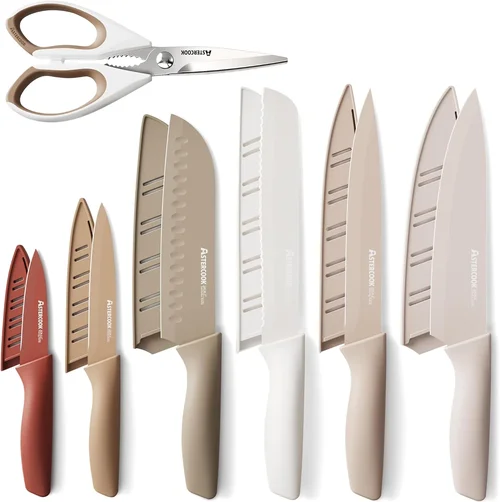
Not all knives are created equal—and not every task calls for a chef’s knife. While an 8-inch chef’s knife is the workhorse of most kitchens, you might also need a paring knife for detail work, a serrated knife for bread, or a boning knife for meat prep. Think about your typical cooking routine: if you bake artisan bread weekly, a long serrated knife is essential. If you fillet fish often, a flexible fillet knife makes sense. Buying a single versatile knife is fine for starters, but building a curated set over time yields better results than a cheap 15-piece block with redundant or low-quality tools.
7. Brand Reputation & Craftsmanship
Established brands often invest heavily in research, quality control, and consistent manufacturing. Names like Victorinox, Global, MAC, and Miyabi have earned trust through decades of reliable performance. That said, lesser-known artisanal makers or boutique brands can offer exceptional value—especially if you’re willing to do a bit of research. Look for transparency about sourcing, forging methods (stamped vs. forged), and country of manufacture. Forged knives are typically stronger and better balanced, though high-quality stamped knives (like those from Victorinox Fibrox) can be excellent budget options.
8. Warranty & Customer Support
A good warranty signals confidence in a product’s durability. Many premium brands offer lifetime warranties against defects, while budget lines may offer limited coverage. Check what’s included: does the warranty cover chipping, warping, or handle separation? Is sharpening service available? Also consider return policies—especially when buying online. A 30-day return window gives you time to test the knife in real cooking scenarios, ensuring it truly fits your needs.
Different Types of Buying Guide
Common Buying Mistakes to Avoid
❌ Mistake: Prioritizing Price Over Performance
Why it’s bad: Cheap knives often use low-grade steel that dulls quickly, have poor balance, and may even bend or chip under normal use. They force you to apply more pressure, increasing fatigue and accident risk.
What to do instead: Invest in one high-quality chef’s knife instead of a full set of mediocre ones. A single $80 knife that lasts 10 years is smarter than five $20 knives that break or dull within months.
❌ Mistake: Ignoring Handle Comfort
Why it’s bad: An uncomfortable handle leads to hand cramps, reduced control, and unsafe gripping—especially when wet. Many buyers focus only on blade specs and overlook ergonomics.
What to do instead: If possible, hold the knife before buying. Pay attention to how it sits in your palm, whether your fingers wrap securely, and if there are any sharp edges or seams.
❌ Mistake: Buying Based Solely on Brand Hype
Why it’s bad: Some brands charge premium prices for marketing, not superior quality. Conversely, lesser-known makers may offer exceptional value. Blind loyalty can lead to overspending or missing hidden gems.
What to do instead: Research independent reviews, steel composition, and user feedback. Look beyond logos and focus on measurable performance metrics.
❌ Mistake: Overlooking Maintenance Needs
Why it’s bad: Assuming all knives are “set it and forget it” tools leads to disappointment. High-carbon blades rust if left wet; soft steels dull fast without regular honing.
What to do instead: Match the knife’s care requirements to your lifestyle. If you hate maintenance, choose a corrosion-resistant stainless steel with good edge retention.
❌ Mistake: Choosing the Wrong Size
Why it’s bad: A 10-inch chef’s knife may overwhelm someone with small hands or a compact kitchen, while a 6-inch blade lacks leverage for large vegetables.
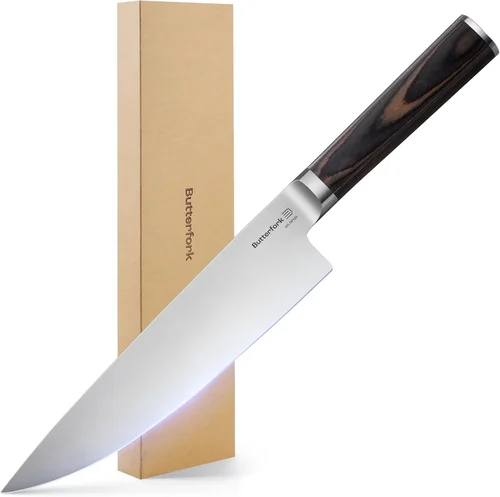
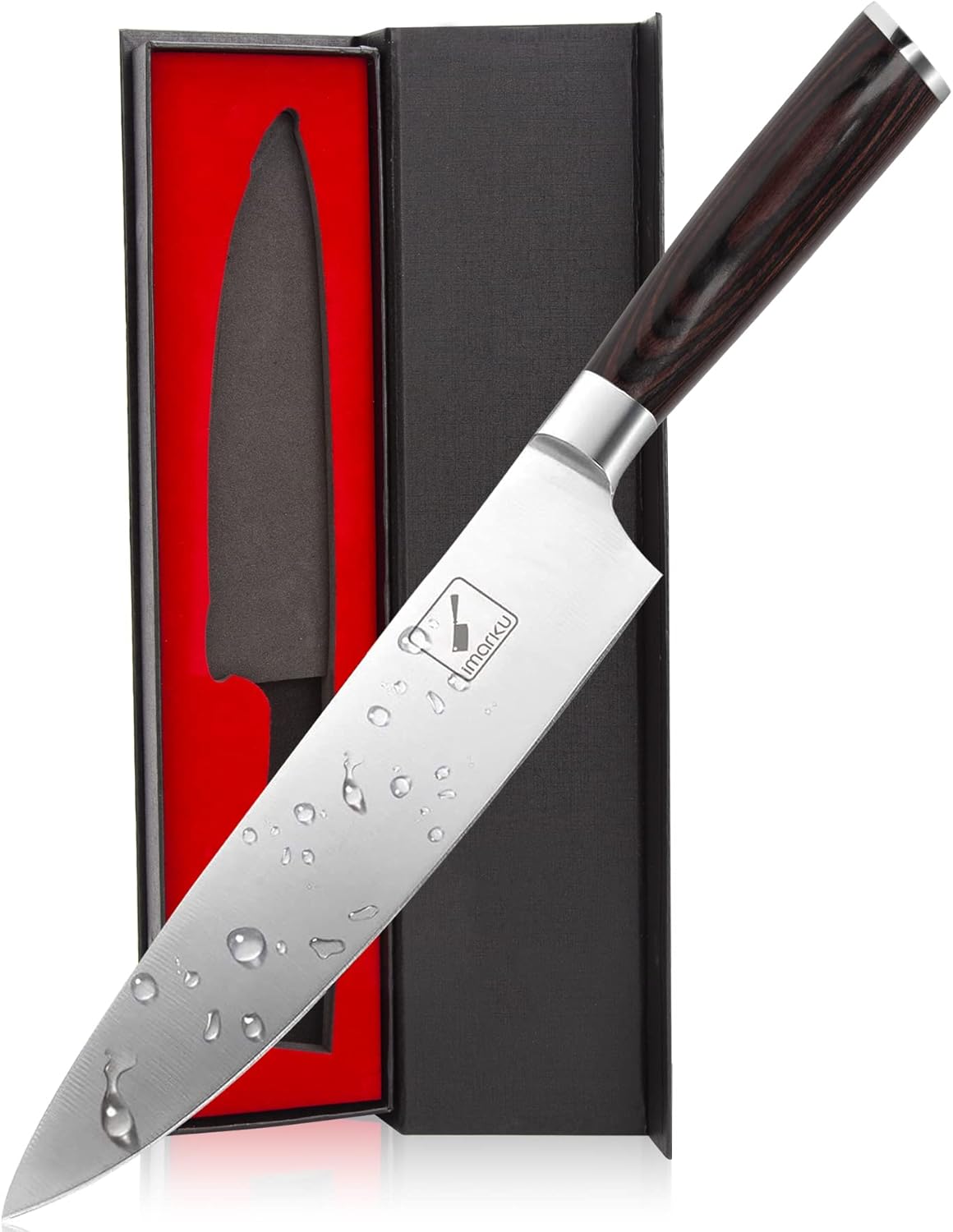
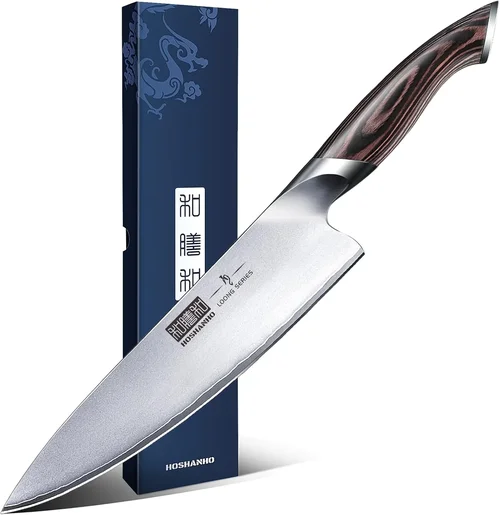
What to do instead: Most adults find an 8-inch chef’s knife ideal. If you have smaller hands or cook mostly for one, consider a 7-inch version. Test length by seeing if the tip reaches your forearm when held upright.
❌ Mistake: Storing Knives Improperly
Why it’s bad: Tossing knives into drawers dulls edges, damages tips, and poses a safety hazard. It also shortens lifespan significantly.
What to do instead: Use a knife block, magnetic strip, or individual blade guards. Never store loose in utensil drawers.
❌ Mistake: Expecting One Knife to Do Everything
Why it’s bad: Trying to slice bread with a paring knife or debone chicken with a chef’s knife leads to frustration and poor results.
What to do instead: Start with a chef’s knife and paring knife, then add specialized tools (like a serrated or boning knife) as your needs evolve.
Budget Guidelines: How Much Should You Spend?
– Entry-Level ($20–$50): This range includes reliable stamped knives like the Victorinox Fibrox Pro or Mercer Culinary Genesis. They won’t hold an edge as long as pricier options, but they’re durable, easy to sharpen, and perfect for beginners or occasional cooks. Expect decent performance with minimal frills.
– Mid-Range ($50–$150): The sweet spot for most home cooks. Brands like Wüsthof Classic, Shun Premier, and Global offer forged or high-quality stamped blades with excellent balance, good steel, and solid warranties. These knives deliver professional-level performance without breaking the bank.
– Premium ($150–$300): Ideal for serious home chefs and cooking enthusiasts. You’ll find advanced steel alloys (like SG2 or R2), layered Damascus cladding, and meticulous craftsmanship. Knives from Miyabi, Masamoto, or Kramer by Zwilling fall here—offering superior edge retention, aesthetics, and feel.
– Luxury ($300+): Reserved for collectors, professionals, or those who view knives as art. Hand-forged Japanese blades, custom handles, and rare materials define this tier. While stunning, these knives often require expert-level maintenance and may be overkill for everyday use.
Expert Tips for Getting the Best Deal
– Shop during seasonal sales: Major retailers like Williams Sonoma, Sur La Table, and Amazon often discount knives during Black Friday, Prime Day, or post-holiday clearances. Sign up for newsletters to get early alerts.
– Consider outlet or refurbished models: Many brands sell factory-second or returned knives at steep discounts. These are often indistinguishable from new ones but come with full warranties.
– Buy online—but read return policies: Online retailers offer wider selections and better prices, but you can’t test the knife physically. Choose stores with generous return windows (30 days or more).
– Look for bundle deals: Some sets include a chef’s knife, paring knife, and sharpening steel at a lower per-item cost than buying individually.
– Check independent retailers: Smaller kitchen shops or direct-from-manufacturer sites sometimes offer exclusive colors, limited editions, or better customer service.
– Invest in a honing rod: Even the best knives lose alignment over time. A $20 honing rod extends edge life between sharpenings and costs far less than frequent professional sharpening.
– Learn basic sharpening: Owning a whetstone (even a simple 1000-grit) empowers you to maintain your knife’s edge indefinitely. Many YouTube tutorials make it beginner-friendly.

Frequently Asked Questions
Q: Should I buy a forged or stamped knife?
A: Forged knives are traditionally stronger and better balanced, making them ideal for heavy use. Stamped knives are lighter, often cheaper, and can be just as sharp—especially in modern manufacturing. For most home cooks, a high-quality stamped knife (like Victorinox) is perfectly adequate.
Q: Can I put my kitchen knife in the dishwasher?
A: No. Dishwashers expose knives to harsh detergents, high heat, and jostling that dull edges, corrode blades, and damage handles. Always hand-wash and dry immediately.
Q: How often should I sharpen my knife?
A: It depends on usage. Light home cooks may sharpen every 6–12 months; frequent users every 2–3 months. Use a honing rod weekly to realign the edge between sharpenings.
Q: Are Japanese knives better than German knives?
A: Not inherently—they’re just different. Japanese knives are typically lighter, sharper, and better for precision. German knives are heavier, more durable, and suited for chopping. Choose based on your cooking style.
Q: What’s the best knife for a beginner?
A: An 8-inch chef’s knife with a comfortable handle and stainless steel blade. The Victorinox Fibrox Pro is a top pick for its balance of quality, price, and ease of care.
Q: Do I need a full knife set?
A: Not necessarily. Start with a chef’s knife and paring knife. Add others as needed. Many “complete sets” include redundant or low-quality tools that go unused.
Q: How do I know if a knife is balanced?
A: Hold the knife at the bolster (where blade meets handle). If it balances perfectly on your finger without tipping forward or backward, it’s well-balanced.
Q: Can I use a chef’s knife for everything?
A: For most tasks, yes—but not optimally. A serrated knife is better for bread, a paring knife for peeling, and a boning knife for meat. Build your collection gradually.
Q: Are expensive knives worth it?
A: If you cook regularly and value performance, yes. A great knife reduces effort, improves results, and lasts decades with proper care. Think of it as a long-term investment.
Q: What’s the difference between VG-10 and AUS-10 steel?
A: Both are high-carbon stainless steels popular in Japanese knives. VG-10 has slightly more vanadium, giving it better edge retention. AUS-10 is a bit tougher and easier to sharpen. In practice, both perform excellently.
Our Final Recommendations
– Best for Budget-Conscious Buyers: Victorinox Fibrox Pro 8″ Chef’s Knife – Under $50, this knife outperforms many pricier competitors with its ergonomic handle, durable steel, and razor-sharp edge.
– Best Overall Value: Wüsthof Classic 8″ Chef’s Knife – A timeless German classic offering forged construction, excellent balance, and a lifetime warranty. Priced around $120, it’s a workhorse for serious home cooks.
– Best Premium Option: Shun Premier 8″ Chef’s Knife – With its stunning Damascus cladding, VG-10 core, and razor-thin edge, this Japanese beauty excels in precision tasks. Ideal for those who appreciate craftsmanship.
– Best for Beginners: Mercer Culinary Genesis 8″ Chef’s Knife – Affordable, reliable, and NSF-certified, this knife is perfect for new cooks or culinary students learning proper technique.
– Best for Advanced Users: Miyabi Birchwood SG2 9″ Gyuto – Handcrafted in Japan with micro-carbide powder steel, this knife offers unparalleled sharpness and edge retention for discerning chefs.
Conclusion: Making the Right Choice
Choosing the right kitchen knife isn’t about chasing trends or splurging on the most expensive option—it’s about finding a tool that aligns with your cooking habits, physical comfort, and long-term goals. Remember: the best knife is the one you’ll actually use, maintain, and enjoy every day. Prioritize fit, function, and quality over flashy features or brand names. Start simple, learn your preferences, and build your collection thoughtfully. With the insights from this guide, you’re now equipped to make a confident, informed decision that will elevate your time in the kitchen for years to come. Happy cutting!