Best Kitchen Knife Buying Guide
The kitchen knife is arguably the most essential tool in any cook’s arsenal. Whether you’re dicing onions for a weeknight stir-fry or filleting a delicate piece of salmon, the right knife can make all the difference between frustration and finesse. Yet, with countless options flooding the market—from budget-friendly sets to hand-forged Japanese blades—it’s easy to feel overwhelmed. That’s where this guide comes in. We’ve spent months researching, testing, and consulting with professional chefs and home cooks alike to bring you a definitive, no-nonsense buying guide that cuts through the noise.
By the end of this article, you’ll know exactly what to look for when choosing your next kitchen knife. You’ll understand how blade material, handle design, and balance affect performance. You’ll learn how to match your knife to your cooking style, budget, and kitchen setup. And perhaps most importantly, you’ll avoid the common pitfalls that lead to buyer’s remorse. Whether you’re a complete beginner or a seasoned home chef looking to upgrade, this guide will empower you to make a confident, informed decision.

What to Look for When Buying a Kitchen Knife
1. Blade Material
The blade is the heart of any knife, and its material determines sharpness, edge retention, ease of sharpening, and resistance to corrosion. The two primary categories are stainless steel and carbon steel. High-carbon stainless steel—such as VG-10, AUS-10, or X50CrMoV15—offers an ideal balance: it holds a sharp edge well, resists rust, and is relatively easy to maintain. Pure carbon steel blades, like those made from Shirogami (White Paper) steel, are prized by professionals for their razor-sharp edges and ease of sharpening, but they require diligent care to prevent rust and discoloration. Avoid low-quality stainless steels labeled only as “stainless” without alloy details—they often dull quickly and are hard to resharpen.
2. Blade Construction: Forged vs. Stamped
Forged knives are traditionally crafted by heating and hammering a single piece of steel into shape, then tempering and grinding it. This process creates a dense, durable blade with a visible bolster (the thick junction between blade and handle) and often a full tang (where the metal extends through the entire handle). Stamped knives, on the other hand, are cut from a sheet of steel and then shaped and hardened. They’re typically lighter and less expensive but may lack the heft and balance of forged counterparts. While stamped knives have improved significantly—many high-end brands now offer premium stamped options—forged knives generally offer better durability and balance for heavy-duty tasks.
3. Handle Design and Ergonomics
A comfortable, secure grip is critical for control and safety. Handles come in three main types: Western (often riveted with full tang), Japanese (wa-handles, usually lighter and made from wood), and composite or synthetic materials like G-10 or POM. Look for a handle that fits naturally in your hand—neither too bulky nor too slim. The shape should allow your fingers to wrap securely without slipping, especially when wet. Pay attention to the heel of the handle: it should rest comfortably against your palm to prevent slippage during chopping. Avoid overly decorative or polished handles that sacrifice grip for aesthetics.
4. Balance and Weight
Balance refers to how weight is distributed between the blade and the handle. A well-balanced knife feels like an extension of your hand. Some prefer a blade-heavy balance for chopping power, while others favor handle-heavy designs for precision tasks like peeling or detail work. Test the knife by placing your index finger at the bolster—if it teeters forward, it’s blade-heavy; if it tips back, it’s handle-heavy. For most home cooks, a neutral or slightly blade-forward balance offers the best versatility. Weight matters too: heavier knives (8–10 oz for an 8-inch chef’s knife) provide momentum for chopping, while lighter ones (5–7 oz) suit delicate slicing.
5. Blade Length and Shape
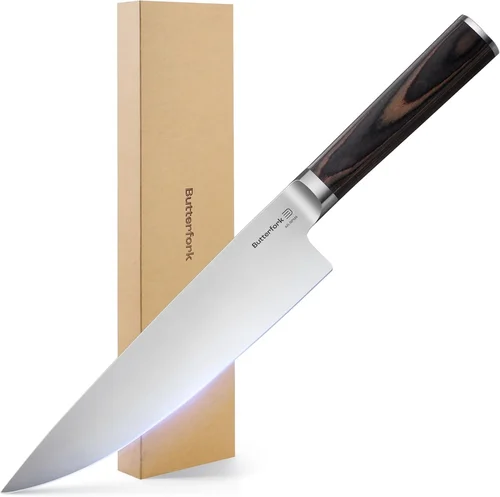
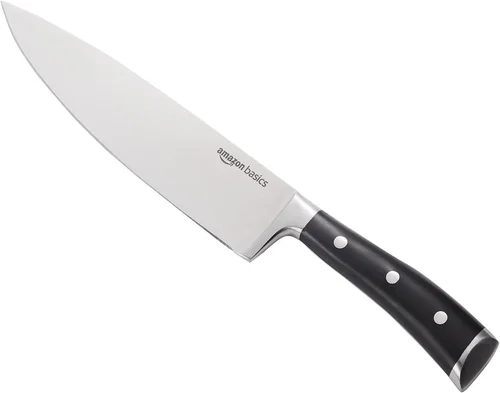
Chef’s knives typically range from 6 to 10 inches. An 8-inch blade is the sweet spot for most users—it’s long enough to handle large vegetables and proteins but short enough for detailed work. Shorter blades (6–7 inches) are great for smaller hands or compact kitchens, while 9–10 inch versions suit tall users or those who prep large quantities. Beyond the chef’s knife, consider specialty shapes: a paring knife (3–4 inches) for peeling and trimming, a serrated bread knife for crusty loaves, and a utility knife (5–6 inches) for mid-sized tasks. Match your primary knife to your most frequent cooking activities.
6. Edge Type and Grind
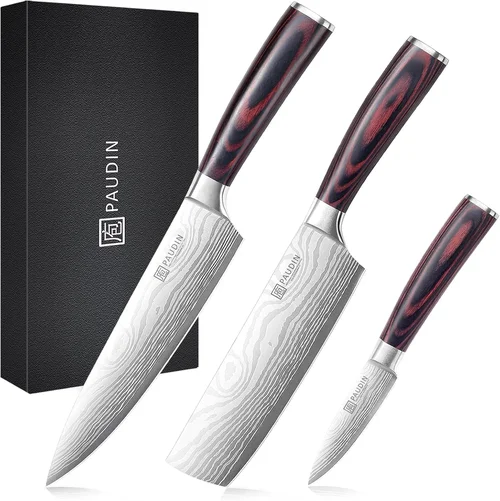
The edge grind affects how the knife cuts. A Western-style V-edge (flat or hollow grind) is robust and great for push-cutting through dense ingredients. A Japanese-style double-bevel or single-bevel (yanagiba-style) edge is thinner and sharper, ideal for clean slicing but less forgiving on hard surfaces. Many modern knives use a hybrid grind—sharper near the tip, stronger toward the heel. Also consider whether the edge is straight or Granton (with scalloped indentations). Granton edges reduce friction when slicing meats or cheeses, preventing sticking.
7. Maintenance Requirements
All knives require care, but some demand more than others. Carbon steel needs immediate drying after washing and occasional oiling to prevent rust. Stainless steels are more forgiving but still benefit from hand washing and proper storage. Consider your willingness to maintain your knife: if you’re busy or forgetful, opt for a low-maintenance stainless steel with high corrosion resistance. Also think about sharpening—will you use a whetstone, honing rod, or electric sharpener? Choose a knife compatible with your preferred method.
8. Brand Reputation and Warranty
Reputable brands stand behind their products. Look for companies with transparent manufacturing processes, honest reviews, and strong customer support. Brands like Wüsthof, Shun, Victorinox, Global, and Miyabi have earned trust through consistent quality. Check the warranty: many offer limited lifetime coverage against defects, but not damage from misuse. A good warranty signals confidence in build quality and gives you peace of mind.
Different Types of Kitchen Knives

Common Buying Mistakes to Avoid
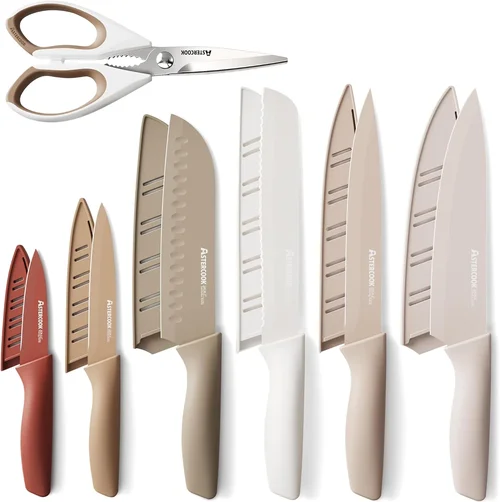
❌ Mistake: Buying a Full Knife Set Without Need
Why it’s bad: Most pre-packaged sets include redundant or low-quality knives you’ll never use—like boning or cheese knives—while skimping on the essentials. You end up paying for filler items and often get inferior steel.
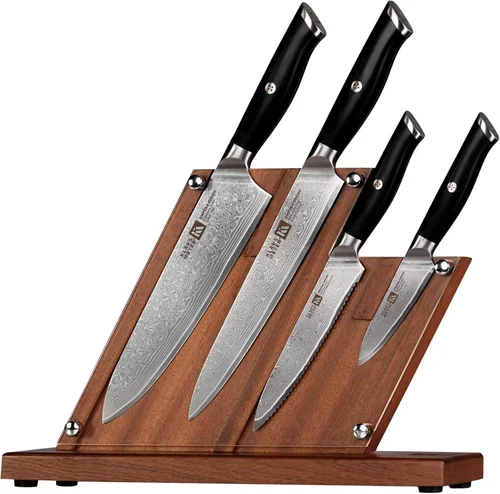
What to do instead: Start with a high-quality chef’s knife and paring knife. Add specialty knives only as needed. Invest in individual pieces from reputable brands.
❌ Mistake: Prioritizing Looks Over Function
Why it’s bad: A beautifully etched blade or exotic wood handle might look stunning on display, but if it’s uncomfortable to hold or chips easily, it’s useless in the kitchen.
What to do instead: Always prioritize ergonomics, balance, and blade performance. Test the knife in your hand if possible—comfort is non-negotiable.
❌ Mistake: Ignoring Maintenance Needs
Why it’s bad: Carbon steel knives left wet can rust overnight. Stainless knives stored in drawers can dull quickly from contact with other utensils.
What to do instead: Choose a knife that matches your maintenance willingness. Store knives in a block, magnetic strip, or sheath—never loose in a drawer.
❌ Mistake: Assuming Expensive Means Better
Why it’s bad: Some luxury knives use exotic materials that don’t translate to better performance. Others are over-engineered for home use.
What to do instead: Focus on value, not price tags. Many mid-range knives outperform premium ones in real-world testing.
❌ Mistake: Overlooking Handle Material Safety
Why it’s bad: Natural wood handles can harbor bacteria if not sealed properly or dried thoroughly. Some synthetics degrade over time.
What to do instead: Choose food-safe, sealed handles (e.g., Pakkawood, G-10) or high-quality thermoset plastics. Avoid untreated wood in humid kitchens.
❌ Mistake: Skipping the Honing Rod
Why it’s bad: Even the sharpest knife dulls with use. Without regular honing, you’ll struggle with cuts and risk slipping.
What to do instead: Buy a quality honing steel and use it weekly. It realigns the edge between sharpenings—don’t wait until the knife is dull.
Budget Guidelines: How Much Should You Spend?
Why it’s bad: Carbon steel knives left wet can rust overnight. Stainless knives stored in drawers can dull quickly from contact with other utensils.
What to do instead: Choose a knife that matches your maintenance willingness. Store knives in a block, magnetic strip, or sheath—never loose in a drawer.
❌ Mistake: Assuming Expensive Means Better
Why it’s bad: Some luxury knives use exotic materials that don’t translate to better performance. Others are over-engineered for home use.
What to do instead: Focus on value, not price tags. Many mid-range knives outperform premium ones in real-world testing.
❌ Mistake: Overlooking Handle Material Safety
Why it’s bad: Natural wood handles can harbor bacteria if not sealed properly or dried thoroughly. Some synthetics degrade over time.
What to do instead: Choose food-safe, sealed handles (e.g., Pakkawood, G-10) or high-quality thermoset plastics. Avoid untreated wood in humid kitchens.
❌ Mistake: Skipping the Honing Rod
Why it’s bad: Even the sharpest knife dulls with use. Without regular honing, you’ll struggle with cuts and risk slipping.
What to do instead: Buy a quality honing steel and use it weekly. It realigns the edge between sharpenings—don’t wait until the knife is dull.
Budget Guidelines: How Much Should You Spend?
Why it’s bad: Natural wood handles can harbor bacteria if not sealed properly or dried thoroughly. Some synthetics degrade over time.
What to do instead: Choose food-safe, sealed handles (e.g., Pakkawood, G-10) or high-quality thermoset plastics. Avoid untreated wood in humid kitchens.
❌ Mistake: Skipping the Honing Rod
Why it’s bad: Even the sharpest knife dulls with use. Without regular honing, you’ll struggle with cuts and risk slipping.
What to do instead: Buy a quality honing steel and use it weekly. It realigns the edge between sharpenings—don’t wait until the knife is dull.
Budget Guidelines: How Much Should You Spend?
Entry-Level ($20–$50): At this price, expect stamped stainless steel blades with partial tangs and basic handles. Victorinox Fibrox Pro offers exceptional value here—durable, sharp, and dishwasher-safe (though hand washing is still recommended). Ideal for students, occasional cooks, or backup knives.
Mid-Range ($50–$150): This is the sweet spot for most home cooks. You’ll find forged or high-quality stamped knives with full tangs, ergonomic handles, and better steel (like X50CrMoV15 or VG-10). Brands like Wüsthof Classic, Zwilling Pro, and Shun Premier deliver excellent performance, balance, and longevity. These knives will last decades with proper care.
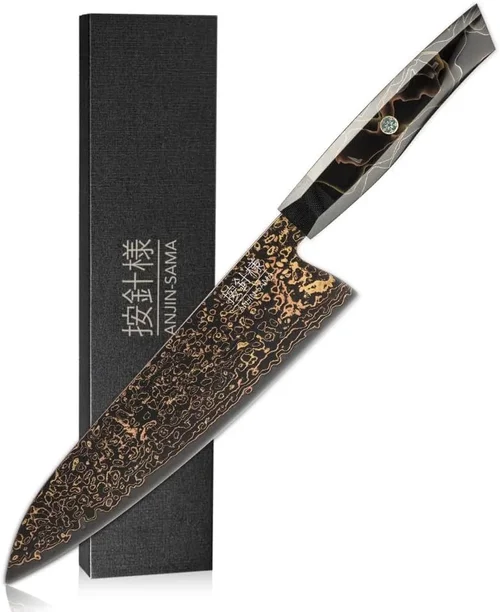
Premium ($150–$300): For enthusiasts and serious home chefs, this tier offers hand-forged blades, superior edge retention, and refined aesthetics. Japanese brands like Miyabi, Masamoto, and Sakai Takayuki shine here. Expect razor-sharp edges, beautiful finishes, and often custom handles. These knives reward skill and care.
Luxury ($300+): Reserved for collectors or professionals, these knives feature rare steels (e.g., ZDP-189, R2/SG2), hand-carved details, and artisanal craftsmanship. While stunning, they may be overkill for everyday cooking and require expert-level maintenance.
Expert Tips for Getting the Best Deal
- Shop during holiday sales: Black Friday, Cyber Monday, and post-holiday clearances often feature 20–40% off premium brands.
- Buy direct from manufacturers: Brands like Wüsthof and Global often offer exclusive deals or refurbished models at lower prices.
- Check return policies: Ensure you can return or exchange if the knife doesn’t feel right—comfort is subjective.
- Consider “factory seconds”: Minor cosmetic flaws don’t affect performance. Many brands sell these at steep discounts.
- Invest in a knife roll or block: Protecting your investment extends its life and keeps edges sharp.
- Learn basic sharpening: A $30 whetstone set saves money long-term versus professional sharpening services.
- Read verified buyer reviews: Look for patterns in feedback—consistent complaints about balance or rust are red flags.

Frequently Asked Questions
Q: Should I buy a Western or Japanese knife?
A: It depends on your style. Western knives (German/American) are heavier, more durable, and great for chopping. Japanese knives are lighter, sharper, and excel at precision slicing. Many cooks own both—a German chef’s knife for heavy tasks and a Japanese gyuto for delicate work.
Q: Can I put my knife in the dishwasher?
A: Technically yes—if it’s labeled dishwasher-safe—but we strongly advise against it. Dishwashers expose blades to harsh detergents, high heat, and impact from other items, which can dull edges, corrode steel, and damage handles. Always hand wash and dry immediately.
Q: How often should I sharpen my knife?
A: It varies by use, but generally every 3–6 months with regular honing weekly. If you notice tearing instead of clean cuts, it’s time to sharpen. Use a whetstone for best results.
Q: Is a full tang necessary?
A: Not always, but it improves balance and durability. Full tang knives feel more solid and are less likely to break at the handle junction. For heavy use, it’s worth the extra cost.
Q: What’s the best way to store knives?
A: Use a knife block, magnetic strip, or individual blade guards. Avoid storing loose in drawers—edges chip easily and you risk cutting yourself.
Q: Are ceramic knives worth it?
A: Ceramic blades stay sharp longer and won’t rust, but they’re brittle and can snap if dropped or used on bones. Best for light slicing tasks, not general kitchen work.
Q: Do I really need more than one knife?
A: Start with a chef’s knife and paring knife. As your skills grow, add a bread knife and utility knife. Specialty knives (boning, cleaver) are optional unless you cook specific dishes regularly.
Q: How do I know if a knife fits my hand?
A: Grip it naturally—your fingers should wrap comfortably, and the handle should rest against your palm without pressure points. If possible, test it in-store or order from retailers with generous return windows.
Our Final Recommendations
Best for Budget-Conscious Buyers: Victorinox Fibrox Pro 8″ Chef’s Knife – unbeatable value under $50, durable, and trusted by professionals worldwide.
Best Overall Value: Wüsthof Classic 8″ Chef’s Knife – forged German steel, excellent balance, lifetime warranty, and ideal for daily use.
Best Premium Option: Shun Premier 8″ Chef’s Knife – stunning Damascus cladding, razor-sharp VG-MAX steel, and elegant walnut handle.
Best for Beginners: Mercer Culinary Genesis 8″ Chef’s Knife – affordable, easy to maintain, and includes a protective sheath.
Best for Advanced Users: Miyabi Birchwood 5000MCD 8″ Gyuto – hand-forged in Japan, ultra-sharp MicroCarbide MC66 steel, and breathtaking craftsmanship.
Conclusion: Making the Right Choice
Choosing the best kitchen knife isn’t about finding the most expensive or trendiest option—it’s about matching the tool to your needs, skills, and lifestyle. Consider your budget, cooking habits, and willingness to maintain your knife. Prioritize comfort, balance, and blade quality over flashy features. Remember, even the finest knife won’t perform well if it doesn’t feel right in your hand.
Start simple: one great chef’s knife can handle 80% of your kitchen tasks. Build your collection gradually, investing in quality over quantity. And don’t forget the supporting cast—a honing rod, proper storage, and regular care will keep your blade performing at its peak for years.
Whether you’re upgrading your kitchen with a new oven or perfecting your pizza game with a dedicated pizza oven, the right tools elevate every meal. Your knife is no exception. Take the time to choose wisely, and you’ll enjoy safer, more enjoyable, and more efficient cooking every day.