
Roasting pinon in the oven is one of the easiest ways to bring out their rich, buttery flavor. Whether you’ve harvested fresh pinon nuts or bought them in bulk, oven roasting transforms them into a crunchy, aromatic snack you’ll want to make again and again. In this guide, we’ll walk you through everything from shelling to seasoning so you get perfect results every time.
If you’ve ever tasted freshly roasted pinon nuts, you know there’s nothing quite like that warm, buttery, slightly sweet flavor. Roasting pinon in the oven is the most popular and reliable method for bringing out their natural oils and creating that irresistible crunch. Whether you’re a first-time pinon roaster or looking to perfect your technique, this guide covers everything you need to know.
Pinon nuts — also spelled piñon or pine nuts — come from several species of pine trees native to the American Southwest and Mexico. They’ve been a staple food for Indigenous communities for thousands of years, and today they’re enjoyed worldwide as a delicious snack and cooking ingredient. The good news? You don’t need any special equipment. Your regular kitchen oven is all it takes to turn raw pinon into golden, aromatic perfection.
In this article, we’ll cover the entire process step by step — from selecting and preparing your pinon to roasting, seasoning, and storing them. We’ll also share common mistakes to avoid and expert tips that will make you a pinon-roasting pro in no time.
- Preheat your oven to 350°F (175°C) — this is the ideal temperature for roasting pinon nuts evenly without burning them.
- Spread pinon in a single layer on a baking sheet to ensure even roasting and consistent browning.
- Roast for 10 to 15 minutes, stirring halfway through, until the nuts turn golden brown and fragrant.
- Watch them closely — pinon nuts can go from perfectly roasted to burnt in just a couple of minutes.
- Let them cool completely before storing to preserve their crunch and flavor.
- Season after roasting for the best flavor — toss with salt, spices, or a light coating of oil while still warm.
- Store roasted pinon in an airtight container at room temperature for up to two weeks, or freeze for longer storage.
Quick Answers to Common Questions
What temperature should I roast pinon nuts at?
Preheat your oven to 350°F (175°C). This moderate temperature roasts pinon evenly without burning them.
How long does it take to roast pinon in the oven?
It typically takes 10 to 15 minutes, depending on how dark and toasty you want them. Stir halfway through for even browning.
Do I need to shell pinon before roasting?
For the best results, yes. Shelled pinon roast more evenly and are easier to season. However, you can roast them in the shell if you prefer — just add a few extra minutes.
Can I roast pinon without oil?
Absolutely. Pinon have enough natural oils to roast beautifully on their own. Oil is optional and mainly helps seasonings stick.
How do I know when pinon are done roasting?
They’re done when they turn golden brown and smell fragrant and nutty. Start checking at the 8-minute mark to avoid burning.
📑 Table of Contents
- What Are Pinon Nuts and Why Roast Them?
- Selecting and Preparing Pinon Nuts for Roasting
- How to Roast Pinon in the Oven: Step-by-Step Guide
- Seasoning Ideas for Roasted Pinon
- Common Mistakes to Avoid When Roasting Pinon
- How to Store Roasted Pinon Nuts
- Expert Tips for Perfect Roasted Pinon
- Creative Ways to Use Roasted Pinon
- Conclusion
What Are Pinon Nuts and Why Roast Them?
Pinon nuts are the edible seeds harvested from certain pine trees, most notably the Colorado pinyon, Mexican pinyon, and single-leaf pinyon. They’re smaller than many other nuts but pack an incredible flavor punch. Raw pinon have a mild, slightly resinous taste, but roasting unlocks their full nutty, buttery potential.
So why roast them instead of eating them raw? There are several great reasons:
- Enhanced flavor: Heat activates the natural oils in pinon, deepening their flavor and adding a toasty richness.
- Better texture: Roasting gives pinon a satisfying crunch that raw nuts simply don’t have.
- Improved digestibility: Lightly roasting nuts can make them easier on your stomach.
- Versatility: Roasted pinon are perfect for snacking, salads, pesto, baked goods, and more.
If you enjoy roasting other nuts and seeds, you might also want to check out our guide on how to roast sunflower seeds in the oven — the process is surprisingly similar.
Selecting and Preparing Pinon Nuts for Roasting
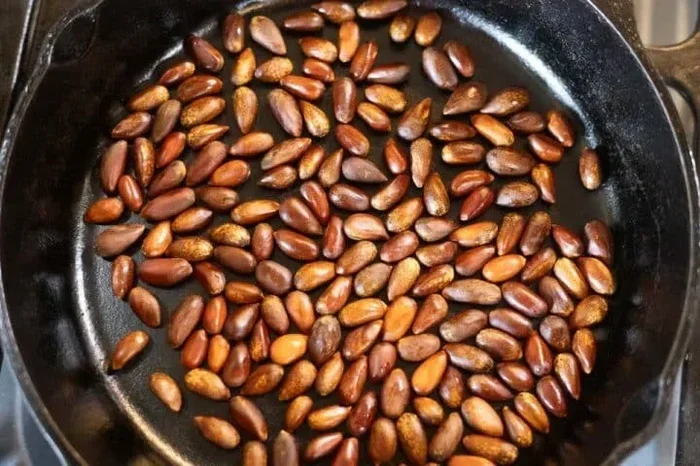
Visual guide about roasted pine nuts oven
Image source: hildaskitchenblog.com
Before you turn on your oven, you need to start with quality pinon nuts. Here’s what to look for and how to prepare them.
Choosing the Right Pinon
Freshness matters when it comes to pinon. Look for nuts that are:
- Plump and uniform in size — this ensures even roasting
- Free of cracks, holes, or dark spots — these can indicate pests or mold
- Heavy for their size — lightweight nuts may be dried out or hollow
- Fragrant — fresh pinon should have a mild, pleasant piney aroma
You can buy pinon with shells already removed (shelled) or still in their shells. Shelled pinon are more convenient for roasting, but in-shell pinon stay fresh longer and can be roasted directly.
Shelling Pinon Nuts
If you’ve got whole pinon still in their shells, you’ll need to crack them open first. Here’s the easiest method:
- Place a few pinon on a hard surface.
- Use a small hammer, nutcracker, or even the bottom of a heavy glass to crack the shell.
- Discard any nuts that look discolored or smell off.
li>Gently pry the nut meat out with your fingers or a small pick.
Shelling pinon takes patience — they’re small and the shells can be tough. But the reward is worth it. Set aside 20 to 30 minutes for a cup of pinon, and put on some music to make the process enjoyable.
Cleaning and Sorting
Once your pinon are shelled, spread them on a clean kitchen towel or baking sheet. Pick out any bits of shell, debris, or damaged nuts. Give them a quick rinse under cool water if they’re dusty, then pat them completely dry with a clean towel. Moisture is the enemy of crispy roasted nuts, so make sure they’re thoroughly dry before roasting.
How to Roast Pinon in the Oven: Step-by-Step Guide
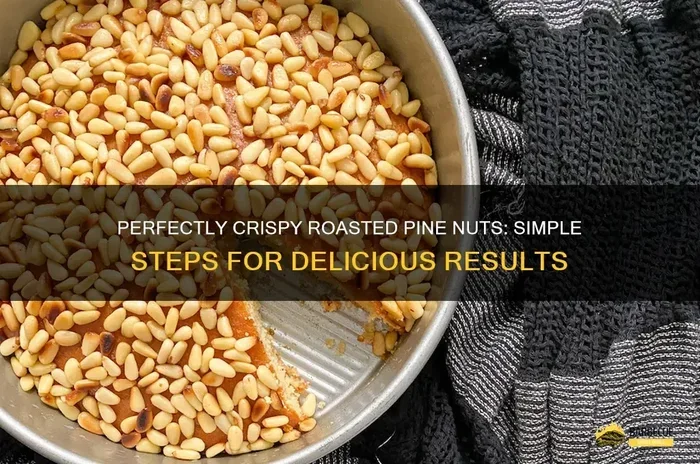
Visual guide about roasted pine nuts oven
Image source: shungrill.com
Now for the main event. Roasting pinon in the oven is straightforward, but a few key details make all the difference between perfectly toasted nuts and a burnt disappointment.
Step 1: Preheat Your Oven
Set your oven to 350°F (175°C). This moderate temperature allows the pinon to roast evenly without scorching the outside before the inside is done. Give your oven at least 10 minutes to fully preheat. An oven thermometer is a great investment if you want to be precise — many home ovens run hotter or cooler than their dial suggests.
If you’re using a convection oven, you can reduce the temperature by 25°F and check the nuts a few minutes earlier. For more on convection cooking, see our article on how to cook a prime rib roast in a convection oven.
Step 2: Prepare Your Baking Sheet
Line a rimmed baking sheet with parchment paper or a silicone baking mat. This prevents sticking and makes cleanup a breeze. Avoid using bare metal sheets, as they can cause the bottoms of the pinon to brown too quickly.
Step 3: Spread the Pinon in a Single Layer
Spread your cleaned, dried pinon nuts in a single, even layer on the prepared baking sheet. Don’t pile them up or let them overlap. Proper air circulation around each nut is essential for even roasting. If you’re roasting a large batch, use two baking sheets rather than overcrowding one.
Step 4: Add Oil and Seasoning (Optional)
For a more flavorful result, you can toss the pinon with a small amount of oil before roasting. Use about 1 teaspoon of neutral oil (like avocado or grapeseed) per cup of pinon. This helps seasonings stick and promotes even browning.
If you want salted pinon, you can add a light sprinkle of fine sea salt before roasting. However, many experienced roasters prefer to season after the nuts come out of the oven, as salt can sometimes draw out moisture and affect texture.
Step 5: Roast and Monitor
Place the baking sheet in the center rack of your oven. Roast for 10 to 15 minutes, stirring or shaking the pan gently at the halfway mark. This ensures all sides roast evenly.
Here’s a general timing guide:
- 10 minutes: Light roast — pale golden, mild flavor
- 12 minutes: Medium roast — golden brown, balanced flavor (most popular)
- 15 minutes: Dark roast — deep golden, intense flavor (watch carefully!)
Important: Pinon nuts are small and can burn quickly. Start checking at the 8-minute mark. They’re done when they turn a light to medium golden brown and smell fragrant and nutty. The aroma is your best indicator — when your kitchen smells amazing, they’re probably ready.
Step 6: Cool Completely
As soon as the pinon come out of the oven, transfer them to a clean, cool surface — a large plate, a second baking sheet, or even a sheet of parchment paper on your counter. Don’t leave them on the hot baking sheet, as residual heat will continue cooking them and can lead to over-roasting.
Let them cool for at least 15 to 20 minutes. They’ll continue to crisp up as they cool, so don’t worry if they seem slightly soft right out of the oven.
Seasoning Ideas for Roasted Pinon
Plain roasted pinon are delicious on their own, but a little seasoning takes them to the next level. The key is to add seasonings while the nuts are still warm so the flavors adhere properly.
Classic Salted Pinon
Toss warm roasted pinon with a pinch of flaky sea salt or fine kosher salt. Simple, timeless, and absolutely addictive.
Spicy Pinon
Mix together chili powder, cumin, smoked paprika, a pinch of cayenne, and salt. Toss the warm pinon in this spice blend for a smoky, spicy kick that’s perfect for snacking.
Sweet and Savory Pinon
For a unique twist, toss warm pinon with a tiny drizzle of honey or maple syrup, a sprinkle of cinnamon, and a pinch of sea salt. The combination of sweet, salty, and nutty is absolutely irresistible.
Garlic Herb Pinon
Toss with a light coating of olive oil, garlic powder, dried rosemary, and a pinch of salt. These are fantastic sprinkled over salads or pasta dishes.
Southwest Style
Combine lime zest, chili powder, cumin, and salt. This zesty blend pairs beautifully with the natural richness of pinon nuts.
Common Mistakes to Avoid When Roasting Pinon
Even though roasting pinon is simple, a few common errors can ruin your batch. Here’s what to watch out for:
1. Using Too High a Temperature
Cranking up the oven to speed things up is the number one mistake. High heat burns the outside of the pinon while leaving the inside undercooked. Stick to 350°F and be patient.
2. Overcrowding the Pan
When pinon are piled on top of each other, they steam instead of roast. Always use a single layer, and work in batches if needed.
3. Walking Away
Pinon go from golden to burnt in under two minutes. Stay in the kitchen and keep an eye on them, especially during the last few minutes.
4. Not Stirring Halfway Through
Nuts on the edges of the pan roast faster than those in the center. Stirring or shaking the pan at the halfway point ensures uniform browning.
5. Storing While Still Warm
Trapping warm pinon in a sealed container creates moisture, which makes them soggy. Always let them cool completely before storing.
6. Skipping the Parchment Paper
Without a liner, pinon can stick to the pan and develop hot spots that cause uneven roasting. Parchment paper or a silicone mat is a small step that makes a big difference.
How to Store Roasted Pinon Nuts
Proper storage keeps your roasted pinon fresh and crunchy for as long as possible.
Room Temperature Storage
Place completely cooled pinon in an airtight container — a glass jar, a resealable bag, or a food storage container with a tight lid all work well. Store in a cool, dark place like your pantry. They’ll stay fresh for up to two weeks.
Refrigerator Storage
For longer freshness, store roasted pinon in the refrigerator in an airtight container. They’ll keep well for up to one month. The cool temperature slows down the oxidation of their natural oils.
Freezer Storage
Roasted pinon freeze beautifully. Place them in a freezer-safe bag or container, squeeze out excess air, and freeze for up to three months. Thaw at room temperature for about 30 minutes before eating. You can also re-crisp them in a 300°F oven for 5 minutes after thawing.
Expert Tips for Perfect Roasted Pinon
Here are some pro-level tips that will elevate your pinon roasting game:
- Use a light-colored baking sheet. Dark pans absorb more heat and can cause the bottoms of the nuts to burn before the tops are done.
- Roast on the center rack. This position provides the most even heat distribution in your oven.
- Trust your nose. When pinon are perfectly roasted, your kitchen will smell incredible. If you smell something sharp or acrid, they’re starting to burn.
- Roast in small batches. It’s better to do two small batches of perfectly roasted pinon than one large batch of unevenly roasted ones.
- Experiment with timing. Every oven is slightly different. Make a note of the exact time that works best for your setup so you can replicate it next time.
- Try soaking first. Some roasters soak raw pinon in salted water for 30 minutes, then dry them thoroughly before roasting. This can enhance flavor and create a slightly different texture.
If you love roasting nuts and other foods in the oven, you might also enjoy learning about how to roast peanuts in a microwave oven for a quick alternative method.
Creative Ways to Use Roasted Pinon
Once you’ve mastered roasting pinon, you’ll want to use them in everything. Here are some delicious ideas:
- Snacking: Enjoy them straight from the jar as a healthy, satisfying snack.
- Salads: Sprinkle over green salads, grain bowls, or roasted vegetable dishes for added crunch.
- Pesto: Blend roasted pinon with fresh basil, garlic, Parmesan, and olive oil for a rich, nutty pesto.
- Baked goods: Fold into cookie dough, muffin batter, or bread recipes for a nutty surprise.
- Trail mix: Combine with dried fruit, chocolate chips, and other nuts for a custom trail mix.
- Topping: Use as a garnish for soups, pasta, risotto, or roasted meats.
- Cheese boards: Add roasted pinon to your next charcuterie spread for an elegant touch.
For more inspiration on roasting different foods in the oven, check out our guide on how to roast vegetables in the oven — many of the same principles apply.
Conclusion
Roasting pinon in the oven is one of the simplest and most rewarding kitchen tasks you can do. With just a baking sheet, a moderate oven, and a little patience, you can transform raw pinon nuts into golden, fragrant, crunchy delights. Remember to preheat to 350°F, spread them in a single layer, stir halfway through, and watch them closely during the final minutes.
Whether you enjoy them plain and salted or dressed up with bold spices, freshly roasted pinon are a treat that’s hard to beat. Now that you know the process, grab some pinon nuts and start roasting. Your kitchen is about to smell amazing.