
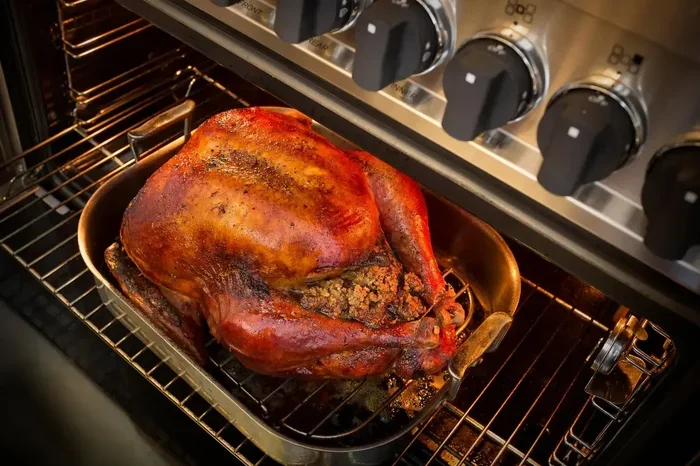
How Do I Cook a Turkey in a Convection Oven
Cooking a turkey in a convection oven is one of the best ways to achieve a golden, crispy skin with moist, tender meat inside. Because convection ovens circulate hot air evenly around the food, your turkey cooks faster and more uniformly than in a conventional oven. In this guide, you’ll learn the exact temperature, timing, and preparation steps needed to roast a perfect convection oven turkey that will impress your family and guests.
There’s something magical about pulling a perfectly roasted turkey out of the oven. The skin is golden and crackling. The meat is juicy and tender. And the aroma fills your entire home with warmth and comfort. If you’ve ever wondered whether a convection oven can deliver that same show-stopping result, the answer is a resounding yes. In fact, many professional chefs prefer convection roasting for poultry because of the even heat distribution and superior browning it provides.
Cooking a turkey in a convection oven isn’t complicated, but it does require a few adjustments compared to using a conventional oven. The circulating hot air means your bird cooks faster and more evenly, which is great news for your holiday timeline. However, if you don’t account for those differences, you could end up with a dry turkey or one that’s undercooked in the center. Don’t worry though. By the end of this guide, you’ll have all the knowledge you need to roast a flawless convection oven turkey every single time.
If you’re new to convection cooking, you might want to check out our guide on how to use a convection oven to master the basics before diving in.
- Lower the temperature: Reduce your oven temperature by 25°F compared to conventional roasting recipes, since convection ovens cook more efficiently.
- Expect faster cooking: A convection oven typically cooks a turkey 25% faster, so plan your timing accordingly and monitor internal temperature closely.
- Use a meat thermometer: The most reliable way to know your turkey is done is to check that the thickest part of the breast reaches 165°F.
- Don’t skip the brine or seasoning: Proper seasoning or brining ensures your turkey stays moist and flavorful throughout the convection cooking process.
- Let it rest: Always rest your turkey for 20-30 minutes after roasting so the juices redistribute for the most tender slices.
- Position the turkey correctly: Place the turkey on the lowest oven rack in an uncovered pan to allow proper air circulation around the bird.
- Check early and often: Because convection ovens vary, start checking your turkey’s temperature about 30-45 minutes before the estimated finish time.
Quick Answers to Common Questions
What temperature should I cook a turkey in a convection oven?
Set your convection oven to 325°F, which is 25 degrees lower than the standard 350°F used in conventional ovens. This adjustment accounts for the more efficient heat circulation.
How long does it take to cook a turkey in a convection oven?
Plan for approximately 10-13 minutes per pound. A 14-pound turkey will take roughly 2.5 to 3 hours. Always use a meat thermometer to confirm the internal temperature reaches 165°F.
Do I need to baste my turkey in a convection oven?
Basting is optional in a convection oven since the circulating air helps keep the surface moist. However, basting every 45 minutes with pan juices can enhance flavor and browning if desired.
Should I cover my turkey with foil in a convection oven?
Generally, you should roast the turkey uncovered to take full advantage of the convection browning. If the skin is browning too quickly, you can loosely tent it with foil partway through cooking.
Is a convection oven better for roasting turkey than a conventional oven?
Many cooks prefer convection ovens for turkey because they provide more even heat distribution, faster cooking times, and superior browning. The circulating air helps the breast and dark meat cook more evenly.
📑 Table of Contents
What Makes a Convection Oven Different?
A convection oven uses a fan and exhaust system to circulate hot air continuously around the food. This is the key feature that sets it apart from a conventional oven, where hot air simply rises and settles naturally. The constant movement of air in a convection oven eliminates hot and cold spots, which means your turkey cooks more evenly from every angle.
Faster Cooking Times
Because the circulating air transfers heat more efficiently to the surface of the food, convection ovens cook approximately 25% faster than conventional ovens. For a turkey, this can mean shaving 30 minutes to over an hour off your total roasting time depending on the size of the bird. That’s a significant difference when you’re trying to coordinate a full holiday meal.
Better Browning and Crisping
The moving air in a convection oven also helps moisture evaporate from the surface of the turkey more quickly. This is what gives you that beautiful, golden-brown crispy skin that everyone fights over at the dinner table. In a conventional oven, you might need to crank up the heat at the end to achieve the same effect, which risks overcooking the meat underneath.
More Even Cooking
One of the biggest advantages for turkey is that the breast and legs cook at a more similar rate in a convection oven. In a conventional setup, the breast often dries out before the dark meat reaches a safe temperature. The circulating air helps balance this out, giving you juicy breast meat and perfectly cooked thighs and drumsticks.
Preparing Your Turkey for the Convection Oven
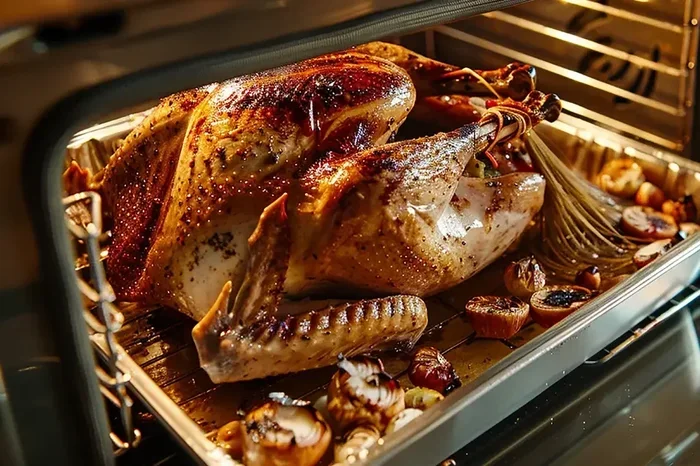
Visual guide about roasted turkey convection oven
Image source: professorshouse.com
Preparation is everything when it comes to roasting a great turkey. The steps you take before the bird ever goes into the oven will have a huge impact on the final result.
Thawing Your Turkey Safely
If you’re starting with a frozen turkey, you need to thaw it properly. The safest method is to thaw it in the refrigerator, allowing approximately 24 hours for every 4-5 pounds of turkey. So a 16-pound bird will need about 4 days in the fridge. Never thaw a turkey at room temperature, as this can allow harmful bacteria to grow on the outer layers while the inside is still frozen.
Brining for Maximum Moisture
Brining is one of the best things you can do to ensure a moist turkey. A basic brine consists of water, salt, and sugar, but you can add herbs, garlic, citrus, and spices for extra flavor. Submerge your thawed turkey in the brine and refrigerate for 12-24 hours. If you’re short on time, a dry brine (rubbing salt and seasonings directly onto the turkey and letting it sit overnight) works wonderfully too.
Seasoning and Butter
After brining, pat the turkey completely dry with paper towels. This is crucial for achieving crispy skin. Then rub the entire bird with softened butter or olive oil. Season generously with salt, pepper, and your favorite herbs. Thyme, rosemary, and sage are classic choices that pair beautifully with turkey. Don’t forget to season inside the cavity as well.
Stuffing Considerations
For food safety reasons, it’s generally recommended to cook stuffing separately rather than inside the turkey. A stuffed turkey takes longer to cook, and it can be difficult to ensure both the stuffing and the meat reach safe internal temperatures at the same time. If you do choose to stuff your turkey, make sure the stuffing reaches 165°F as well.
Step-by-Step Guide to Cooking Your Turkey
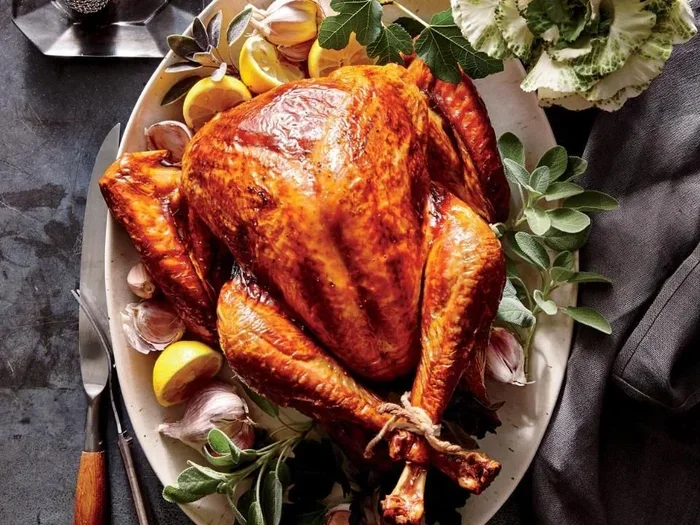
Visual guide about roasted turkey convection oven
Image source: i.pinimg.com
Now let’s walk through the actual cooking process. Follow these steps and you’ll be well on your way to a perfectly roasted convection oven turkey.
Step 1: Preheat Your Oven
Preheat your convection oven to 325°F. This is 25 degrees lower than the standard 350°F recommended for conventional ovens. The lower temperature compensates for the more efficient heat transfer of the convection system and helps prevent the outside from overcooking before the inside is done.
Step 2: Position the Turkey
Place your turkey breast-side up on a rack inside a shallow roasting pan. The rack elevates the bird and allows hot air to circulate underneath, which helps the bottom cook evenly. Position the pan on the lowest rack in your oven to ensure maximum air circulation around the turkey.
Step 3: Calculate Your Cooking Time
As a general rule, plan for about 10-13 minutes per pound in a convection oven. Here’s a quick reference:
- 8-12 pounds: approximately 1.5 to 2.25 hours
- 12-16 pounds: approximately 2 to 2.75 hours
- 16-20 pounds: approximately 2.75 to 3.5 hours
- 20-24 pounds: approximately 3.5 to 4.25 hours
These are estimates only. The only reliable way to know when your turkey is done is by using a meat thermometer.
Step 4: Monitor the Temperature
Insert an instant-read meat thermometer into the thickest part of the thigh, making sure not to touch bone. The turkey is safe to eat when the internal temperature reaches 165°F. You can also check the thickest part of the breast, which should also read 165°F. Start checking the temperature about 30-45 minutes before the estimated finish time.
Step 5: Baste Occasionally (Optional)
While basting isn’t strictly necessary in a convection oven (the circulating air helps keep the surface moist), you can baste the turkey with pan juices every 45 minutes or so if you’d like. This adds extra flavor and contributes to the golden color of the skin.
Step 6: Rest Before Carving
Once your turkey reaches 165°F, remove it from the oven and tent it loosely with aluminum foil. Let it rest for 20-30 minutes before carving. This resting period allows the juices to redistribute throughout the meat, resulting in much more flavorful and tender slices. Skipping this step is one of the most common mistakes people make.
Temperature and Timing Chart
Here’s a handy reference chart for convection oven turkey cooking:
| Turkey Weight | Oven Temperature | Estimated Time | Internal Temp |
|---|---|---|---|
| 8-12 lbs | 325°F (convection) | 1.5 – 2.25 hours | 165°F |
| 12-16 lbs | 325°F (convection) | 2 – 2.75 hours | 165°F |
| 16-20 lbs | 325°F (convection) | 2.75 – 3.5 hours | 165°F |
| 20-24 lbs | 325°F (convection) | 3.5 – 4.25 hours | 165°F |
Common Mistakes to Avoid
Even experienced cooks can run into trouble when switching to convection roasting. Here are the most common pitfalls and how to avoid them.
Not Adjusting the Temperature
The number one mistake is cooking at the same temperature you’d use in a conventional oven. Since convection ovens transfer heat more efficiently, using the standard 350°F will likely result in a turkey that’s overcooked on the outside and potentially dry. Always reduce the temperature by 25°F.
Overcooking the Turkey
Because convection ovens cook faster, it’s easy to overcook your turkey if you’re following conventional oven timing. This is why a meat thermometer is absolutely essential. Start checking the temperature early and remove the turkey as soon as it hits 165°F. The temperature will continue to rise 5-10 degrees during the resting period.
Skipping the Resting Period
It’s tempting to start carving right away, especially when your family is gathered around the table. But cutting into the turkey too soon causes all those precious juices to run out onto the cutting board instead of staying in the meat. Be patient and let it rest.
Using a Deep Pan
A deep roasting pan can block airflow around the turkey, defeating the purpose of using a convection oven. Use a shallow pan with a low rack to allow air to circulate freely around the entire bird.
Not Patting the Turkey Dry
If you’ve brined your turkey, make sure to pat it thoroughly dry before it goes into the oven. Excess moisture on the surface will steam rather than roast, preventing you from getting that crispy, golden skin you’re after.
Expert Tips for the Best Convection Turkey
Want to take your turkey from good to extraordinary? Try these pro-level tips.
Spatchcock the Turkey
Spatchcocking (removing the backbone and flattening the bird) is a technique that dramatically reduces cooking time and ensures even cooking throughout. A spatchcocked turkey in a convection oven can cook in as little as 1.5 hours regardless of size, since the heat reaches all parts of the bird more uniformly.
Use an Herb Butter Under the Skin
For incredible flavor, gently loosen the skin over the breast and thighs and spread a compound butter mixed with fresh herbs, garlic, and lemon zest directly onto the meat. This bastes the turkey from the inside as it cooks.
Add Aromatics to the Cavity
Stuff the cavity with quartered onions, apples, lemons, fresh herbs, and garlic. These aromatics won’t technically “stuff” the turkey, but they’ll release incredible flavors and moisture as the bird roasts.
Tent with Foil if Browning Too Fast
If you notice the skin is getting too dark before the internal temperature is reached, loosely tent the turkey with aluminum foil. This will slow down the browning while allowing the inside to continue cooking.
What About Turkey Breast or Other Cuts?
If you’re not cooking a whole turkey, the convection oven works beautifully for individual cuts as well. A turkey breast cooked in an oven bag is a great option for smaller gatherings, and the convection setting will still give you excellent results. The same principles apply: reduce the temperature by 25°F and check the internal temperature early.
For those who enjoy other roasted meats, you might also find our guides on cooking a whole chicken in the oven and cooking a turkey in a conventional oven helpful for comparison.
Conclusion
Cooking a turkey in a convection oven is a game-changer for anyone who wants a perfectly roasted bird with minimal stress. The key takeaways are simple: lower your temperature by 25°F, expect faster cooking times, and always use a meat thermometer to check for doneness. Don’t forget to brine or season generously, pat the bird dry for crispy skin, and let it rest before carving.
With these tips and techniques, you’ll be serving up a golden, juicy, and incredibly flavorful turkey that will have everyone asking for seconds. Whether it’s your first time using a convection oven or you’re a seasoned pro, this method delivers consistently impressive results. Now go enjoy that beautiful bird you’ve worked so hard to prepare.