How Do You Cook Grouper in the Oven
Cooking grouper in the oven is one of the easiest and most foolproof ways to enjoy this mild, flaky white fish. By baking at the right temperature and keeping a close eye on timing, you can achieve perfectly moist and flavorful grouper every single time. This guide covers everything from choosing fresh fillets to seasoning, baking temperatures, and serving suggestions.
If you’ve ever wondered how to cook grouper in the oven, you’re in for a treat. Grouper is one of the most delicious and versatile white fish you can bake. It has a mild, slightly sweet flavor and a firm, flaky texture that holds up beautifully in the oven. Whether you’re a seasoned home cook or a complete beginner, baking grouper is incredibly straightforward.
Many people are intimidated by cooking fish, but here’s the truth: grouper is actually one of the most forgiving fish to prepare. It’s thick enough that it won’t dry out easily, and its natural flavor is so good that you don’t need a ton of fancy ingredients. In this guide, we’ll walk you through everything you need to know to bake perfect grouper fillets every single time. We’ll cover choosing the right fish, seasoning techniques, baking times, temperatures, and even some delicious recipe ideas to get you started.
Key Takeaways
- Preheat your oven to 400°F (200°C): This is the ideal temperature for baking grouper fillets evenly without drying them out.
- Use the 10-minute rule: Bake fish for about 10 minutes per inch of thickness for perfectly cooked results.
- Don’t overcook: Grouper is done when it flakes easily with a fork and reaches an internal temperature of 145°F (63°C).
- Season simply: Olive oil, lemon, garlic, salt, and pepper enhance grouper’s natural mild flavor beautifully.
- Freshness matters: Look for firm, translucent flesh with a clean ocean smell when buying grouper.
- Let it rest: Allow the fish to rest for 2-3 minutes after baking for the juiciest results.
- Pair with sides: Grouper pairs wonderfully with roasted vegetables, rice pilaf, or a fresh salad.
📑 Table of Contents
- What Makes Grouper So Special?
- Choosing the Best Grouper Fillets
- Essential Tools and Ingredients
- Step-by-Step Guide to Cooking Grouper in the Oven
- Delicious Seasoning Variations
- Common Mistakes to Avoid
- Perfect Side Dishes for Baked Grouper
- How to Tell When Grouper Is Perfectly Done
- Storing and Reheating Leftover Grouper
- Expert Tips for Restaurant-Quality Grouper
- Nutrition Facts About Grouper
- Conclusion
What Makes Grouper So Special?
Grouper belongs to the sea bass family and is found in warm ocean waters around the world. It’s prized by chefs and home cooks alike for its large, meaty flakes and mild taste. Unlike some delicate white fish that can fall apart during cooking, grouper has a sturdy texture that makes it perfect for baking, grilling, and pan-searing.
One of the best things about grouper is how well it absorbs flavors. Whether you prefer a simple lemon and herb preparation or a bold Cajun spice rub, grouper takes on seasonings beautifully without losing its own character. It’s also a lean source of protein, making it a healthy choice for weeknight dinners or special occasions.
There are several varieties of grouper available, including red grouper, black grouper, and gag grouper. Red grouper is the most commonly found in grocery stores and fish markets. It has a slightly sweeter flavor and lighter color compared to black grouper. Any variety works wonderfully for oven baking, so feel free to use whichever is most accessible in your area.
Choosing the Best Grouper Fillets
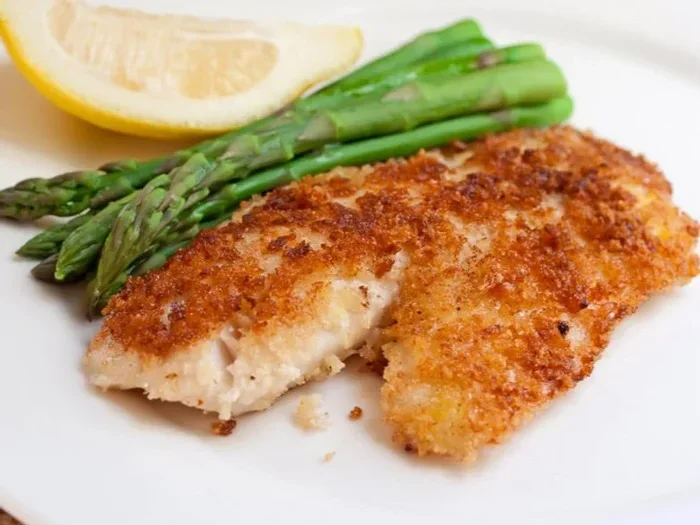
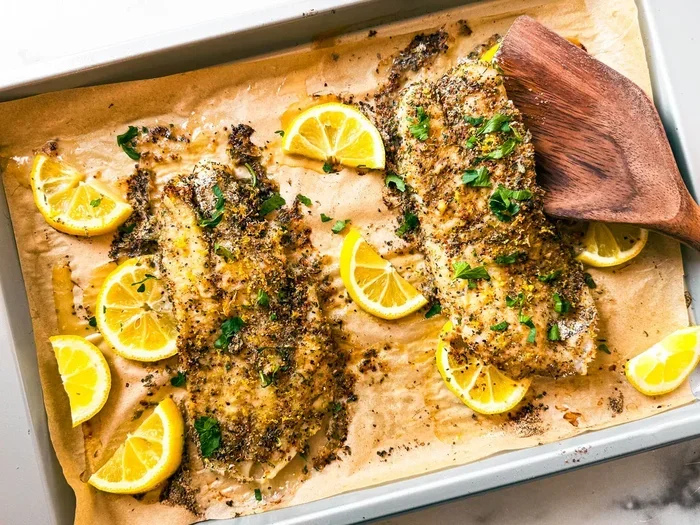
Visual guide about oven baked grouper
Image source: static.wixstatic.com
Before you even turn on your oven, the first step to a great grouper dinner starts at the store. Selecting high-quality fillets makes a huge difference in the final result. Here’s what to look for when buying grouper:
What Fresh Grouper Looks Like
- Firm flesh: Press the fillet gently with your finger. Fresh grouper should spring back and feel firm, not mushy or soft.
- Translucent appearance: The flesh should look moist and slightly translucent, not dull or dry.
- Clean ocean smell: Fresh grouper should smell like the sea — clean and briny. Avoid any fish that has a strong, sour, or ammonia-like odor.
- No discoloration: Look for consistent coloring throughout the fillet. Brown spots or yellowing can indicate the fish is past its prime.
- Moist surface: The fillet should look glistening and moist, not dried out or slimy.
If you’re buying frozen grouper, that’s perfectly fine too. Just make sure the packaging is intact with no signs of freezer burn. Thaw frozen fillets overnight in the refrigerator for the best texture. Never thaw fish at room temperature, as this can lead to bacterial growth.
How Much Grouper to Buy
A standard serving size for fish is about 6 to 8 ounces per person. Grouper fillets typically range from 6 to 10 ounces each. If you’re serving grouper as the main course, plan for one fillet per person. If you’re serving it alongside other proteins or as part of a larger spread, you can get away with slightly smaller portions.
Essential Tools and Ingredients
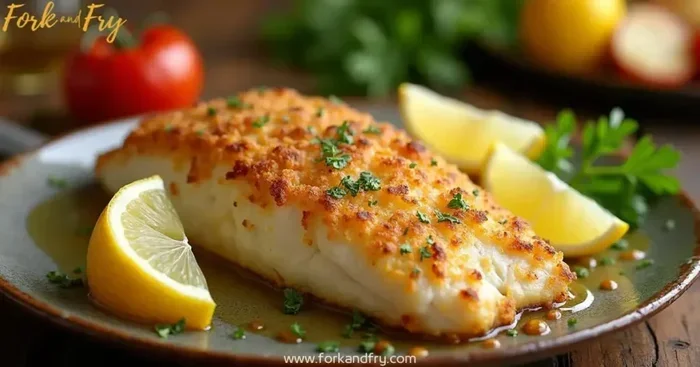
Visual guide about oven baked grouper
Image source: forkandfry.com
The beauty of cooking grouper in the oven is that you don’t need any special equipment. Here’s everything you’ll need to get started:
Kitchen Tools
- Baking sheet or oven-safe baking dish
- Parchment paper or aluminum foil (for easy cleanup)
- Meat thermometer (highly recommended for perfect results)
- Basting brush
- Sharp knife and cutting board
Basic Ingredients for Baked Grouper
- Fresh or thawed grouper fillets (6-8 oz each)
- Extra virgin olive oil or melted butter
- Fresh lemon juice and zest
- Garlic (minced or garlic powder)
- Salt and black pepper
- Fresh herbs like parsley, dill, or thyme
- Optional: paprika, cayenne pepper, or Old Bay seasoning
Quick Tip: The Meat Thermometer Secret
If there’s one tool that will transform your fish-cooking game, it’s a good instant-read meat thermometer. Fish is done at exactly 145°F (63°C). Using a thermometer takes all the guesswork out of cooking grouper. No more cutting into your fish to check if it’s done. No more overcooking. Just perfect results every time.
Step-by-Step Guide to Cooking Grouper in the Oven
Now let’s get into the actual cooking process. Follow these steps for perfectly baked grouper every time.
Step 1: Preheat Your Oven
Preheat your oven to 400°F (200°C). This temperature is ideal for grouper because it’s hot enough to cook the fish through quickly while keeping the interior moist and flaky. Make sure your oven is fully preheated before you put the fish in. An oven that hasn’t reached the right temperature can lead to uneven cooking.
While your oven is heating up, line a baking sheet with parchment paper or aluminum foil. This prevents the fish from sticking and makes cleanup a breeze. If you’re using a baking dish, lightly grease it with olive oil or cooking spray.
Step 2: Prepare the Grouper Fillets
Pat the grouper fillets dry with paper towels. This is an important step because excess moisture on the surface of the fish can create steam in the oven instead of allowing the fish to bake properly. Dry fillets will develop a slightly golden exterior while staying moist inside.
Place the fillets on your prepared baking sheet or dish, leaving about an inch of space between each one. This allows hot air to circulate around each fillet for even cooking.
Lightly brush both sides of each fillet with olive oil or melted butter. This adds flavor, helps the seasonings stick, and promotes a beautiful golden color.
Step 3: Season the Fish
Season both sides of the fillets generously. Here’s a simple but delicious seasoning combination:
- 1 teaspoon salt (adjust to taste)
- ½ teaspoon black pepper
- ½ teaspoon garlic powder
- ½ teaspoon paprika
- Juice of half a lemon per fillet
- Fresh herbs for garnish
Sprinkle the seasonings evenly over both sides of each fillet. Squeeze fresh lemon juice over the top. If you’re feeling adventurous, add a pinch of cayenne pepper for a little heat, or try a Cajun seasoning blend for a bolder flavor profile.
Step 4: Bake the Grouper
Place the baking sheet in the center rack of your preheated oven. Bake the grouper for approximately 12 to 15 minutes, depending on the thickness of your fillets.
The general rule for baking fish is the 10-minute rule: cook for 10 minutes per inch of thickness. Most grouper fillets are about 1 to 1.5 inches thick, so 12 to 15 minutes at 400°F is usually perfect.
You’ll know your grouper is done when:
- The flesh turns opaque white throughout
- It flakes easily when pressed with a fork
- The internal temperature reaches 145°F (63°C)
Step 5: Rest and Serve
Once your grouper is done, remove it from the oven and let it rest for 2 to 3 minutes. This brief resting period allows the juices to redistribute throughout the fish, resulting in a moister, more flavorful fillet.
Garnish with fresh herbs like chopped parsley or dill, and add a few lemon wedges on the side for squeezing. Your perfectly baked grouper is ready to serve!
Delicious Seasoning Variations
One of the best things about grouper is how well it pairs with different flavor profiles. Here are some of our favorite seasoning variations to try:
Mediterranean Style
Drizzle olive oil over the fillets and season with dried oregano, minced garlic, lemon zest, and a pinch of red pepper flakes. Top with cherry tomatoes and Kalamata olives before baking. This combination gives your grouper a bright, fresh Mediterranean flavor that’s absolutely irresistible.
Cajun Blackened Grouper
Mix together paprika, garlic powder, onion powder, cayenne pepper, dried thyme, dried oregano, salt, and black pepper. Coat the fillets generously with the spice mixture and bake as directed. The result is a bold, spicy crust with tender, flaky fish inside. Serve with a squeeze of lemon to balance the heat.
Garlic Butter Herb
Melt butter and mix it with minced garlic, fresh parsley, a pinch of lemon zest, and a dash of white wine. Pour this mixture over the fillets before baking. The garlic butter creates a rich, savory coating that keeps the fish incredibly moist.
Asian-Inspired
Brush the fillets with a mixture of soy sauce, sesame oil, minced ginger, and a touch of honey. Bake as usual and garnish with sliced green onions and sesame seeds. This variation pairs beautifully with steamed jasmine rice and stir-fried vegetables.
Simple Lemon Pepper
Sometimes the simplest approach is the best. Just season with lemon pepper seasoning, a drizzle of olive oil, and fresh lemon juice. Let the natural flavor of the grouper shine through. This is perfect for those who prefer a clean, light taste.
Common Mistakes to Avoid
Even though baking grouper is simple, there are a few common pitfalls that can ruin your dish. Here’s what to watch out for:
Overcooking the Fish
This is the number one mistake people make with fish. Overcooked grouper becomes dry, tough, and loses its delicate flavor. Keep a close eye on the cooking time and use a thermometer. Remember that the fish will continue to cook slightly after you remove it from the oven, so it’s better to pull it out a minute early than a minute late.
Skipping the Pat-Dry Step
Not patting the fillets dry before seasoning and baking is a common oversight. Moisture on the surface prevents proper browning and can make the seasonings slide off. Always take a few seconds to pat your fillets dry with paper towels.
Using Too High a Temperature
While it might seem like a higher temperature would cook the fish faster, it actually increases the risk of drying out the exterior before the interior is done. Stick with 400°F for the best results. If you’re looking for a quicker cooking method with more browning, you might want to try how to broil in the oven instead.
Not Seasoning Enough
Grouper has a mild flavor, which means it needs a good amount of seasoning to really shine. Don’t be shy with your salt, pepper, herbs, and spices. Taste your seasoning blend before applying it to make sure it’s well-balanced.
Crowding the Baking Sheet
If you’re cooking multiple fillets, make sure they have space between them. Crowding the pan traps steam and leads to uneven cooking. Use two baking sheets if necessary.
Perfect Side Dishes for Baked Grouper
A great grouper dinner deserves equally great side dishes. Here are some pairings that complement the mild, flaky fish perfectly:
- Roasted vegetables: Asparagus, broccoli, or Brussels sprouts roasted with olive oil and garlic make a healthy, flavorful side.
- Rice pilaf: A light, herby rice pilaf absorbs any extra juices from the fish beautifully.
- Sweet potatoes: Baked sweet potatoes add a touch of natural sweetness that pairs wonderfully with grouper. If you need tips, check out our guide on how to bake a sweet potato in the oven.
- Fresh salad: A crisp green salad with a light vinaigrette provides a refreshing contrast to the rich fish.
- Crusty bread: Warm bread is perfect for soaking up any garlic butter or pan juices.
- Coleslaw: A tangy, crunchy coleslaw adds texture and brightness to the meal.
For those who love cooking other proteins alongside their fish, you might also enjoy learning about how to bake chicken in the oven for a complete protein-packed meal prep strategy.
How to Tell When Grouper Is Perfectly Done
Knowing exactly when your grouper is cooked to perfection is the key to a great meal. Here are the most reliable methods:
The Fork Test
Insert a fork into the thickest part of the fillet and gently twist. If the fish flakes easily into clean, separate layers, it’s done. If it still looks translucent and resists flaking, it needs more time.
The Thermometer Method
Insert an instant-read thermometer into the thickest part of the fillet. Grouper is safe to eat and perfectly cooked at 145°F (63°C). This is the most accurate method and eliminates all guesswork.
The Visual Check
Raw grouper flesh is translucent and slightly pinkish. When fully cooked, it turns completely opaque white throughout. If you see any translucent areas in the center, the fish needs a bit more time.
Storing and Reheating Leftover Grouper
If you happen to have leftover baked grouper (which is rare because it’s so delicious!), here’s how to store and reheat it properly:
Storing
Place leftover grouper in an airtight container and refrigerate within two hours of cooking. Properly stored, it will keep for up to 3 days in the refrigerator. You can also freeze baked grouper for up to 2 months, though the texture may be slightly different after thawing.
Reheating
To reheat, place the grouper in a baking dish, cover it with foil, and warm it in a 275°F oven for about 10 minutes. This low-and-slow method prevents the fish from drying out. You can also add a small splash of water or broth to the dish to create steam and keep the fish moist.
Avoid reheating fish in the microwave if possible, as it can make the texture rubbery and create an unpleasant smell in your kitchen.
Expert Tips for Restaurant-Quality Grouper
Want to take your grouper game to the next level? Here are some pro tips:
- Bring the fish to room temperature: Take the grouper out of the fridge 15-20 minutes before cooking. Fish that’s closer to room temperature cooks more evenly than cold fish straight from the refrigerator.
- Use a light hand: Grouper has a delicate flavor that can be easily overwhelmed. Start with lighter seasonings and add more as needed.
- Add aromatics to the pan: Place sliced lemons, fresh herbs, and garlic cloves on the baking sheet around the fillets. These release wonderful aromas as they bake and subtly flavor the fish.
- Try the broiler finish: For a golden, slightly crispy top, switch your oven to broil for the last 1-2 minutes of cooking. Watch it closely to avoid burning.
- Make a pan sauce: After removing the fish, add a splash of white wine, lemon juice, and butter to the hot baking sheet. Stir to create a quick, delicious sauce to drizzle over the grouper.
- Invest in quality olive oil: Since grouper preparation is simple, the quality of your ingredients really matters. A good extra virgin olive oil makes a noticeable difference.
If you’re interested in mastering other oven techniques to expand your cooking repertoire, our guide on how to bake salmon in the oven offers excellent complementary skills for fish lovers.
Nutrition Facts About Grouper
Grouper isn’t just delicious — it’s also incredibly nutritious. Here’s what you get in a typical 6-ounce serving of baked grouper:
- Calories: Approximately 150-170 calories
- Protein: Around 30-35 grams of high-quality protein
- Fat: Only 2-3 grams of fat (very low!)
- Omega-3 fatty acids: A good source of heart-healthy omega-3s
- Vitamins and minerals: Rich in vitamin B6, vitamin B12, phosphorus, and selenium
- Mercury content: Moderate — safe for regular consumption in normal serving sizes
Grouper is an excellent choice for anyone looking to eat more fish as part of a healthy diet. It’s lean, high in protein, and packed with essential nutrients. Making it a regular part of your meal rotation is a smart move for your health.
Conclusion
Learning how to cook grouper in the oven opens up a world of easy, healthy, and incredibly delicious meal possibilities. With its mild flavor, firm texture, and forgiving nature, grouper is truly one of the best fish for oven baking. By following the simple steps in this guide — preheating to 400°F, patting the fillets dry, seasoning generously, and baking for 12-15 minutes — you’ll achieve perfectly flaky, moist grouper every single time.
Remember the key rules: use a thermometer for accuracy, don’t overcook, and let the fish rest before serving. Experiment with different seasoning combinations to find your favorite, and don’t be afraid to get creative with side dishes and sauces. Whether you’re cooking a quick weeknight dinner or preparing a special meal for guests, oven-baked grouper is always a crowd-pleaser. So grab some fresh fillets, preheat that oven, and get ready to enjoy one of the tastiest fish dishes you’ve ever made.
Frequently Asked Questions
What is how do you cook grouper in the oven?
how do you cook grouper in the oven is an important topic with many practical applications.