
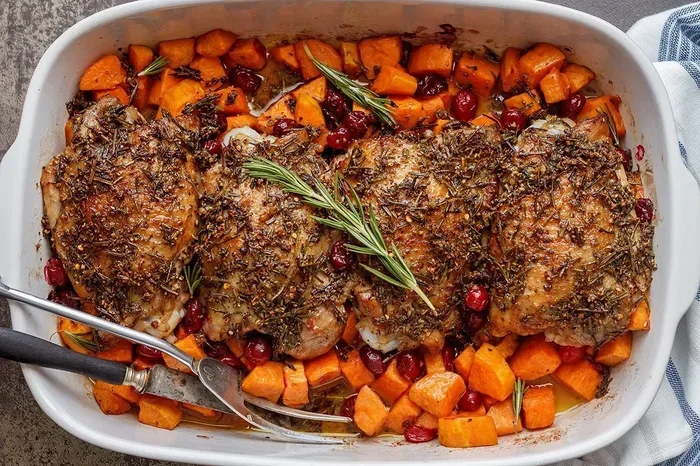
How Do You Cook Turkey Thighs in the Oven
Cooking turkey thighs in the oven is one of the easiest ways to prepare a delicious, protein-packed meal. With the right temperature, seasoning, and technique, you can achieve juicy, fall-off-the-bone turkey thighs that rival any restaurant dish. In this guide, we’ll walk you through everything you need to know — from prep to plating — so you can master this simple yet impressive dish at home.
If you’ve ever been intimidated by cooking a whole turkey, here’s some good news — turkey thighs are the ultimate beginner-friendly alternative. They’re affordable, packed with flavor, and nearly impossible to mess up. Whether you’re cooking for a weeknight dinner or prepping for a holiday feast, turkey thighs deliver rich, juicy results every single time.
The beauty of turkey thighs lies in their forgiving nature. Because they’re dark meat with a higher fat content, they stay moist even if you accidentally leave them in the oven a few minutes too long. That makes them perfect for anyone who’s nervous about drying out poultry. Plus, they’re significantly cheaper than turkey breasts, so you get more bang for your buck.
In this comprehensive guide, we’ll cover everything from choosing the right thighs to seasoning, cooking methods, and serving suggestions. By the end, you’ll feel confident enough to make oven-roasted turkey thighs a regular rotation in your kitchen.
- Turkey thighs are forgiving: Unlike breast meat, thighs are dark meat with more fat, making them harder to overcook and naturally more flavorful.
- Low and slow or hot and fast: You can roast turkey thighs at 325°F for tender results or crank it to 425°F for crispy skin — both methods work beautifully.
- Season generously: Turkey thighs absorb flavors exceptionally well, so don’t be shy with herbs, spices, and marinades.
- Use a meat thermometer: The internal temperature should reach 165°F for safe eating, but pulling at 175°F yields more tender, pull-apart meat.
- Rest before serving: Let the thighs rest for 10-15 minutes after cooking to lock in juices and improve texture.
- Bone-in vs. boneless: Bone-in thighs take longer but deliver richer flavor; boneless thighs cook faster and are easier to carve.
- Versatile leftovers: Cooked turkey thighs are perfect for soups, salads, sandwiches, and meal prep throughout the week.
Quick Answers to Common Questions
What temperature should I cook turkey thighs in the oven?
The best temperature for cooking turkey thighs is 375°F. This moderate heat allows the meat to cook evenly while rendering the fat and crisping the skin. For extra crispy skin, start at 425°F for 15 minutes, then reduce to 350°F for the remaining time.
How long does it take to cook turkey thighs in the oven?
Bone-in turkey thighs typically take 45-60 minutes at 375°F. Boneless thighs cook faster, usually in 35-45 minutes. Always use a meat thermometer to confirm the internal temperature has reached at least 165°F.
Should I cook turkey thighs covered or uncovered?
Cook turkey thighs uncovered for the majority of the time to allow the skin to crisp up. If the skin is browning too quickly, you can loosely tent it with aluminum foil for the last 10-15 minutes of cooking.
Is it better to cook turkey thighs fast or slow?
Both methods work well. A higher temperature (425°F) gives you crispy skin in less time, while a lower temperature (300°F) produces incredibly tender, fall-off-the-bone meat. Choose based on your preference and available time.
How do I know when turkey thighs are done?
Use a meat thermometer inserted into the thickest part of the thigh. The safe minimum internal temperature is 165°F, but for the most tender results, aim for 175-180°F where the collagen fully breaks down.
📑 Table of Contents
- Why Turkey Thighs Deserve a Spot on Your Dinner Table
- How to Choose the Best Turkey Thighs
- Essential Tools and Ingredients
- How to Season Turkey Thighs Like a Pro
- Step-by-Step: How to Cook Turkey Thighs in the Oven
- Popular Cooking Methods Compared
- Common Mistakes to Avoid
- Flavor Variations and Recipe Ideas
- What to Serve with Turkey Thighs
- Storing and Reheating Leftovers
- Expert Tips for the Best Turkey Thighs
- Conclusion
Why Turkey Thighs Deserve a Spot on Your Dinner Table
Turkey thighs are seriously underrated. While most people gravitate toward turkey breasts, the thighs are where all the magic happens. They have a deeper, more robust flavor thanks to their higher fat content and connective tissue. When cooked properly, that connective tissue breaks down into gelatin, creating an incredibly tender and succulent bite.
The Nutritional Benefits of Turkey Thighs
Turkey thighs aren’t just delicious — they’re nutritious too. A single serving provides a hefty dose of protein, iron, zinc, and B vitamins. The dark meat contains more myoglobin, which gives it that rich color and contributes to its iron content. If you’re looking for a protein source that supports muscle growth and keeps you full longer, turkey thighs are an excellent choice.
Cost-Effective and Easy to Find
Compared to turkey breasts, thighs are budget-friendly. You can often find them for a fraction of the price at your local grocery store or butcher shop. They’re available bone-in or boneless, skin-on or skinless, giving you plenty of flexibility depending on your recipe and preference.
How to Choose the Best Turkey Thighs
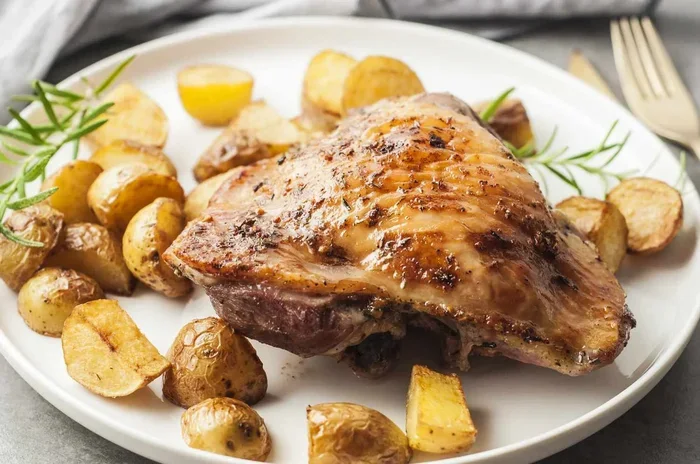
Visual guide about roasted turkey thighs oven
Image source: thespruceeats.com
Before you start cooking, it’s important to pick the right thighs. Here’s what to look for:
- Freshness: Look for thighs with pinkish-red flesh and no off-putting odor. The skin should be smooth and intact.
- Size: Turkey thighs typically weigh between 8-16 ounces each. Choose similar-sized pieces for even cooking.
- Bone-in vs. Boneless: Bone-in thighs take longer to cook but offer superior flavor and moisture. Boneless thighs are quicker and easier to slice.
- Skin-on vs. Skinless: Skin-on thighs give you that coveted crispy exterior. Skinless thighs are leaner but benefit from added moisture during cooking.
If you’re buying frozen turkey thighs, thaw them in the refrigerator for 24-48 hours before cooking. Never thaw at room temperature, as this can promote bacterial growth.
Essential Tools and Ingredients
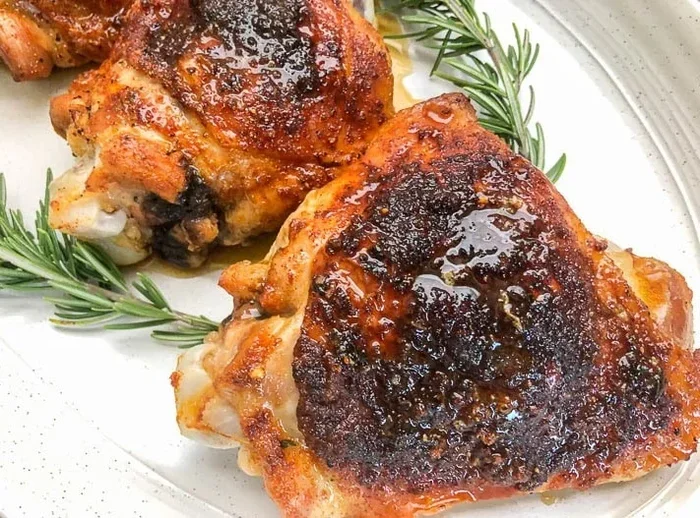
Visual guide about roasted turkey thighs oven
Image source: cookingwithbliss.com
You don’t need fancy equipment to cook amazing turkey thighs. Here’s a simple checklist:
- Roasting pan or baking sheet: A rimmed baking sheet works perfectly. Line it with foil for easy cleanup.
- Wire rack (optional): Elevating the thighs allows hot air to circulate evenly, resulting in crispier skin.
- Meat thermometer: This is non-negotiable. A digital instant-read thermometer ensures perfect doneness every time.
- Aluminum foil: Useful for tenting the thighs during resting or covering if the skin browns too quickly.
- Basic seasonings: Salt, black pepper, garlic powder, paprika, onion powder, dried thyme, and olive oil are all you need for a fantastic base.
How to Season Turkey Thighs Like a Pro
One of the best things about turkey thighs is how well they take on flavors. Whether you prefer a simple herb rub or a bold spice blend, the options are endless.
Classic Herb and Garlic Rub
This is a go-to seasoning that works every time:
- 2 tablespoons olive oil
- 1 teaspoon salt
- 1 teaspoon black pepper
- 1 teaspoon garlic powder
- 1 teaspoon onion powder
- 1 teaspoon dried thyme
- 1 teaspoon smoked paprika
Mix everything together and rub it all over the turkey thighs, getting into every nook and cranny. Let them sit for at least 30 minutes at room temperature, or refrigerate overnight for deeper flavor penetration.
Bold and Spicy Option
If you like heat, try adding cayenne pepper, chili powder, or chipotle powder to your rub. A squeeze of fresh lemon juice before roasting adds brightness that cuts through the richness of the dark meat.
Marinade Method
For extra juiciness, marinate your turkey thighs for 2-12 hours in a mixture of olive oil, soy sauce, minced garlic, honey, and your favorite herbs. The soy sauce adds umami depth while the honey helps with caramelization.
Step-by-Step: How to Cook Turkey Thighs in the Oven
Now for the main event. Here’s the complete process for perfect oven-roasted turkey thighs.
Step 1: Preheat Your Oven
Set your oven to 375°F. This is the sweet spot for turkey thighs — hot enough to render the fat and crisp the skin, but moderate enough to cook the meat evenly without drying it out. If you want extra crispy skin, you can start at 425°F for the first 15 minutes, then reduce to 350°F for the remainder.
Step 2: Prepare the Thighs
Pat the turkey thighs completely dry with paper towels. This is a crucial step — moisture on the skin prevents it from crisping up. Place them on a wire rack set over a baking sheet, skin side up. If you don’t have a wire rack, place them directly on a foil-lined baking sheet.
Step 3: Season Generously
Apply your chosen seasoning rub or marinade. Don’t forget to season underneath the skin if possible. Gently lift the skin and rub seasoning directly onto the meat for maximum flavor.
Step 4: Roast to Perfection
Place the thighs in the preheated oven and roast for approximately 45-60 minutes for bone-in thighs or 35-45 minutes for boneless thighs. The exact time depends on the size of the thighs and your oven.
Step 5: Check the Temperature
Insert a meat thermometer into the thickest part of the thigh, avoiding the bone. The turkey is safe to eat at 165°F, but for the most tender, pull-apart texture, aim for 175-180°F. At this temperature, the collagen has fully broken down, giving you incredibly succulent meat.
Step 6: Rest Before Serving
Remove the thighs from the oven and tent loosely with aluminum foil. Let them rest for 10-15 minutes. This allows the juices to redistribute throughout the meat, ensuring every bite is moist and flavorful.
Popular Cooking Methods Compared
There’s more than one way to cook turkey thighs in the oven. Here’s a quick comparison of the most popular methods:
| Method | Temperature | Time | Best For |
|---|---|---|---|
| Standard Roast | 375°F | 45-60 min | Everyday dinners, balanced results |
| High Heat Roast | 425°F | 35-45 min | Crispy skin, faster cooking |
| Low and Slow | 300°F | 75-90 min | Maximum tenderness, fall-off-bone |
| Broil Finish | 375°F + broil | 40-50 min + 3-5 min broil | Extra crispy, caramelized skin |
If you’re interested in mastering the broil technique for that restaurant-quality finish, check out our guide on how to broil in the oven for perfect results every time.
Common Mistakes to Avoid
Even though turkey thighs are forgiving, there are a few pitfalls that can affect your results:
- Skipping the thermometer: Guessing doneness leads to overcooked or undercooked meat. Always use a meat thermometer.
- Not drying the skin: Wet skin won’t crisp up. Always pat thighs dry before seasoning.
- Overcrowding the pan: Give each thigh space for air to circulate. Crowded thighs steam instead of roast.
- Skipping the rest: Cutting into the meat immediately releases all the juices. Be patient and let them rest.
- Under-seasoning: Dark meat can handle bold flavors. Don’t be timid with your seasonings.
Flavor Variations and Recipe Ideas
Once you’ve mastered the basic technique, it’s fun to experiment with different flavor profiles.
Honey Garlic Turkey Thighs
Whisk together 3 tablespoons honey, 2 tablespoons soy sauce, 4 minced garlic cloves, and 1 tablespoon Dijon mustard. Brush this glaze over the thighs during the last 15 minutes of cooking for a sticky, caramelized finish.
Mediterranean Style
Season with oregano, lemon zest, garlic, and olive oil. Serve with a drizzle of tzatziki sauce and a side of roasted vegetables. This pairs beautifully with our guide on how to bake vegetables in the oven for a complete meal.
BBQ Smoked Paprika
Coat the thighs in your favorite BBQ sauce mixed with smoked paprika and a touch of brown sugar. The result is smoky, sweet, and absolutely irresistible.
Maple Dijon
Combine maple syrup, Dijon mustard, apple cider vinegar, and fresh rosemary. This combination creates a beautiful glaze that’s both sweet and tangy.
What to Serve with Turkey Thighs
Turkey thighs pair well with a wide variety of sides. Here are some crowd-pleasing options:
- Roasted potatoes or sweet potatoes: A classic pairing that never disappoints. Learn how to bake potatoes in the oven for the perfect side dish.
- Steamed or roasted vegetables: Green beans, Brussels sprouts, carrots, and asparagus all work beautifully.
- Rice or quinoa: A simple grain bed soaks up all the delicious pan juices.
- Fresh salad: A crisp green salad with a tangy vinaigrette balances the richness of the turkey.
- Gravy: Make a quick pan gravy using the drippings, chicken broth, and a splash of white wine.
Storing and Reheating Leftovers
One of the best things about cooking turkey thighs is the leftovers. Store cooked thighs in an airtight container in the refrigerator for up to 4 days. For longer storage, wrap them tightly and freeze for up to 3 months.
To reheat, place the thighs in a 325°F oven for 15-20 minutes until warmed through. Add a splash of chicken broth to keep them moist. You can also slice the leftover meat and use it in soups, casseroles, wraps, or salads.
Expert Tips for the Best Turkey Thighs
- Bring to room temperature: Take the thighs out of the fridge 30 minutes before cooking for more even roasting.
- Score the skin: Make shallow cuts in the skin to help fat render out and seasoning penetrate deeper.
- Baste halfway through: Spoon pan juices over the thighs at the halfway mark for extra moisture and flavor.
- Use a glaze at the end: Apply sugary glazes in the last 10-15 minutes to prevent burning.
- Try brining: A simple saltwater brine for 4-12 hours adds incredible moisture and seasoning throughout the meat.
Conclusion
Cooking turkey thighs in the oven is one of the simplest and most rewarding things you can do in the kitchen. With their rich flavor, forgiving nature, and budget-friendly price tag, turkey thighs deserve way more attention than they get. Whether you go with a classic herb rub, a sweet honey glaze, or a bold BBQ coating, the results are sure to impress.
Remember the key principles: season generously, use a meat thermometer, and always let the meat rest before serving. Follow these steps, and you’ll have perfectly juicy, flavorful turkey thighs every single time. Now grab those thighs, fire up your oven, and get cooking!