
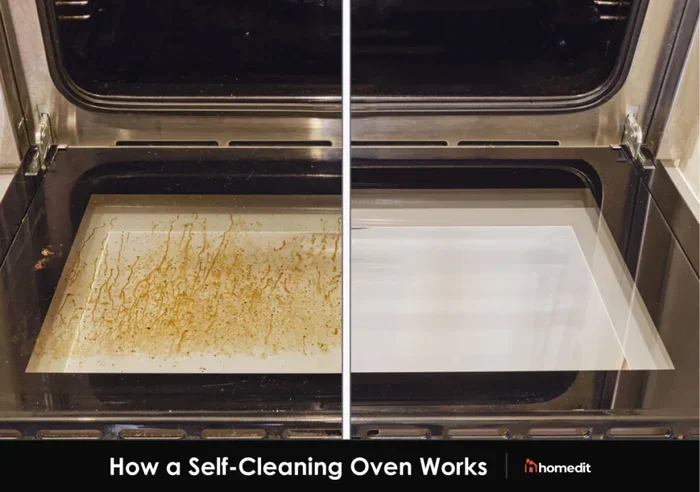
How Long Does an Oven Self Clean Take
How long does an oven self clean take? Most self-cleaning cycles last 2 to 6 hours, depending on the oven model and soil level. The process uses extreme heat to burn off food residue, and understanding each phase helps you plan ahead and keep your appliance in top shape.
If you have ever stared at a dirty oven and wished it could just clean itself, you are not alone. The self-cleaning feature on modern ovens sounds like magic. But once you press that button, the big question pops up: how long does an oven self clean take? The answer is not as simple as a single number. Several factors influence the total time, and understanding them will help you use this feature like a pro.
In this guide, we break down every phase of the self-cleaning process. You will learn what happens inside your oven, how long each stage lasts, and what you can do to make the whole experience smoother. Whether you have a gas range or an electric model, this article has you covered.
Key Takeaways
- Typical cycle time: Most self-cleaning oven cycles run between 2 and 6 hours, with 3 to 4 hours being the average.
- Heat levels matter: The oven reaches 800°F to 1,000°F to incinerate food debris into ash.
- Phase breakdown: The cycle includes a heat-up phase, the main cleaning phase, and a cool-down phase.
- Safety first: Proper ventilation and keeping pets away are essential during the self-clean cycle.
- Not all ovens are equal: Gas, electric, and different brands may have slightly different cycle durations.
- Pre-cleaning helps: Removing large debris before starting can shorten the effective cleaning time.
- Energy use: The cycle consumes significant energy, so plan it wisely to manage utility costs.
Quick Answers to Common Questions
How long does a self-cleaning oven cycle last?
Most self-cleaning oven cycles last between 2 and 6 hours, with 3 to 4 hours being the average for a standard cleaning session.
Can I use my oven while it is self-cleaning?
No. The oven door locks during the cycle, and the interior reaches dangerously high temperatures. You cannot cook or bake until the cycle is fully complete.
Do I need to remove oven racks before self-cleaning?
Yes, in most cases. The extreme heat can discolor or warp standard racks. Check your owner’s manual to see if your oven has self-cleaning racks designed to stay inside.
Is it normal for smoke to come out during self-cleaning?
Some light smoke is normal as food residue burns off. However, excessive or dark smoke may indicate a problem. Always ensure proper ventilation during the cycle.
How many times a year should I self-clean my oven?
Most experts recommend running the self-clean cycle once or twice a year. Overuse can damage heating elements and reduce the oven’s lifespan.
📑 Table of Contents
- What Happens During an Oven Self Clean Cycle
- How Long Does an Oven Self Clean Take by Oven Type
- Factors That Affect Self-Cleaning Time
- Is It Safe to Leave the House During a Self-Clean Cycle?
- Tips to Make Self-Cleaning Faster and More Effective
- Self-Cleaning vs. Steam Cleaning: Which Is Faster?
- Common Mistakes to Avoid During Self-Cleaning
- What to Do After the Self-Clean Cycle Ends
- Energy Consumption and Cost Considerations
- Frequently Asked Questions About Oven Self-Cleaning Time
- Conclusion
What Happens During an Oven Self Clean Cycle
Before we talk about timing, it helps to understand what actually goes on inside the oven. The self-cleaning feature uses extreme heat to burn off baked-on food, grease, and spills. Temperatures typically climb to between 800°F and 1,000°F. At these temperatures, food residue turns into a fine ash that you can simply wipe away once the oven cools down.
The oven door locks automatically at the start of the cycle. This is a critical safety feature. It prevents anyone from opening the door while the interior is dangerously hot. The lock usually stays engaged until the oven temperature drops to a safe level, which can be well after the cleaning phase ends.
The Three Phases of Self-Cleaning
Every self-cleaning cycle follows three distinct phases:
- Heat-up phase: The oven gradually increases temperature to the target level. This phase usually takes 15 to 30 minutes.
- Cleaning phase: The oven maintains extreme heat to incinerate food debris. This is the longest phase, lasting anywhere from 1.5 to 4.5 hours depending on the model and how dirty the oven is.
- Cool-down phase: The heating elements turn off, and the oven slowly returns to room temperature. The door remains locked during this phase, which can take 1 to 2 hours.
When you add all three phases together, the total time from pressing start to being able to open the door ranges from 2 to 6 hours. Most households find that a typical cycle runs about 3 to 4 hours.
How Long Does an Oven Self Clean Take by Oven Type
Not all ovens are created equal. The type of oven you own plays a significant role in how long the self-cleaning cycle lasts.
Electric Ovens
Electric ovens are the most common type found in modern kitchens. Their self-cleaning cycles tend to run between 2 and 4 hours. Because electric heating elements can reach high temperatures quickly, the heat-up phase is relatively short. The cleaning phase usually lasts about 2 to 3 hours, followed by a 1-hour cool-down.
If you want to learn more about maintaining your electric model, check out our guide on how to clean an electric oven fast and easy.
Gas Ovens
Gas ovens often have slightly longer self-cleaning cycles. You can expect a range of 3 to 5 hours. The heating process in a gas oven is a bit slower, which extends the heat-up phase. The cleaning phase itself may also run longer because gas ovens sometimes do not reach the same peak temperatures as electric models.
For a deeper dive into gas oven care, read our article on how to clean a gas oven.
Convection Ovens
Convection ovens with a self-cleaning feature generally fall in the 2.5 to 4-hour range. The fan system that circulates hot air can help distribute heat more evenly, which may reduce the overall cleaning time slightly. However, the difference is usually minimal.
Factors That Affect Self-Cleaning Time
Several variables can make your self-cleaning cycle shorter or longer than average. Understanding these factors helps you plan better.
Level of Soil and Grime
This is the biggest factor. A lightly soiled oven with just a few minor spills will clean faster than one caked with months of baked-on grease. Some ovens even offer a light clean or short clean option for minor messes, which can cut the cycle time down to 1 to 2 hours.
Oven Size and Capacity
Larger ovens take more time to heat up and cool down. A double-wall oven will generally have a longer cycle than a compact range. The extra volume of air that needs to reach extreme temperatures adds to the overall duration.
Age and Condition of the Oven
Older ovens may have less efficient insulation and aging heating elements. This can extend the heat-up phase and the overall cycle time. If your oven is more than 15 years old, you might notice that self-cleaning takes longer than it used to.
Ambient Room Temperature
Believe it or not, the temperature of your kitchen matters. In the middle of winter, if your kitchen is cold, the oven has to work harder to reach peak temperatures. This can add 15 to 30 minutes to the cycle.
Is It Safe to Leave the House During a Self-Clean Cycle?
This is one of the most common questions people ask. The short answer is it is generally safe, but there are important precautions you should take.
Ventilation Is Critical
During the self-cleaning cycle, the oven produces smoke and fumes as food residue burns off. You should open windows in your kitchen and turn on your range hood exhaust fan. If you have a kitchen door that leads outside, cracking it open can help with airflow.
Keep Pets Away
The smoke and odors produced during self-cleaning can be irritating to pets, especially birds and cats. Move them to a different part of the house with good ventilation. The fumes are not toxic in most cases, but they can cause respiratory discomfort in sensitive animals.
Stay Home or Go?
Many manufacturers recommend staying home during the cycle. This way, you can respond quickly if a smoke alarm goes off or if something seems wrong. If you do need to leave, make sure your smoke detectors are working and that the kitchen is well-ventilated.
Fire Safety
While rare, the extreme heat of a self-cleaning cycle can occasionally cause a small fire if there is a large amount of grease or food debris. Keeping the oven reasonably clean and removing large chunks of food before starting the cycle reduces this risk significantly. If you ever experience a fire during the process, our guide on how to clean an oven after a fire can help you recover safely.
Tips to Make Self-Cleaning Faster and More Effective
Want to get the most out of your self-cleaning feature? These practical tips will help you save time and get better results.
Pre-Clean Large Debris
Before starting the cycle, use a damp cloth or plastic scraper to remove large chunks of food and heavy grease deposits. The self-cleaning feature is designed to handle light to moderate soil, not mountains of burnt-on debris. Removing the big stuff first means the cycle can focus on the stubborn residue and finish more efficiently.
Choose the Right Cycle Setting
Many ovens offer multiple self-cleaning options:
- Heavy clean: For ovens with significant buildup. Runs 4 to 6 hours.
- Regular clean: For moderate soil. Runs 3 to 4 hours.
- Light clean: For minor spills and maintenance. Runs 1 to 2 hours.
Selecting the appropriate setting prevents you from wasting time and energy on an unnecessarily long cycle.
Clean Right After Cooking
Some people find it helpful to run the self-clean cycle when the oven is already warm from recent cooking. A warm oven reaches peak temperature faster, which can shave 15 to 30 minutes off the total time.
Maintain Your Oven Between Cycles
Regular maintenance reduces how long each self-cleaning session takes. Wipe up spills as soon as the oven cools down. Use liners on the oven bottom to catch drips. For more maintenance tips, read our article on how to keep an oven clean longer.
Self-Cleaning vs. Steam Cleaning: Which Is Faster?
Some modern ovens come with both self-cleaning and steam cleaning options. If speed is your priority, steam cleaning is the clear winner.
Steam Clean Cycle Time
A steam-cleaning cycle typically takes just 20 to 30 minutes. The oven heats water to create steam, which loosens light food residue. You then wipe away the softened grime with a cloth. It is much gentler on the oven and produces no smoke or fumes.
When to Use Each Method
Steam cleaning is perfect for light, regular maintenance. It is ideal for quick touch-ups between deeper cleanings. Self-cleaning is better suited for heavy-duty jobs where grease and baked-on food have accumulated over weeks or months.
If your oven has a steam feature, learn how to use it properly with our guide on how to use the oven steam clean feature.
Comparison Table: Self-Clean vs. Steam Clean
| Feature | Self-Cleaning | Steam Cleaning |
|---|---|---|
| Cycle Time | 2 to 6 hours | 20 to 30 minutes |
| Max Temperature | 800°F to 1,000°F | 200°F to 250°F |
| Best For | Heavy, baked-on messes | Light, regular maintenance |
| Smoke and Fumes | Yes | No |
| Door Locked During Cycle | Yes | No |
| Energy Consumption | High | Low |
| Manual Wiping Afterward | Minimal (ash residue) | Moderate (softened grime) |
Common Mistakes to Avoid During Self-Cleaning
Even though the self-cleaning feature is designed to be simple, people still make mistakes that can cause problems or extend the cycle time.
Using Harsh Chemicals Before the Cycle
Never spray commercial oven cleaners inside the oven before running a self-clean cycle. The combination of chemical residue and extreme heat can produce toxic fumes and damage the oven’s interior finish. If you need a chemical-free approach to regular cleaning, our article on how to clean an oven without chemicals naturally offers great alternatives.
Ignoring the Smoke
Some smoke during the cycle is normal. However, if you see thick, black smoke or smell something burning that seems unusual, turn off the cycle and investigate. There could be a large piece of food or grease that is causing excessive smoke.
Forgetting to Remove Oven Racks
Most manufacturers recommend removing oven racks before starting a self-clean cycle. The extreme heat can discolor or warp the racks. If your oven has self-cleaning racks that are designed to stay in place, check your owner’s manual to confirm. Otherwise, take them out and clean them separately. Our guide on how to clean oven racks shows you the best methods.
Opening the Door During the Cycle
The door lock exists for a reason. Do not try to force it open during the cycle. The interior temperature can cause severe burns. Wait until the cycle is complete and the oven has cooled down fully.
Running the Cycle Too Frequently
Self-cleaning puts significant stress on your oven. The extreme heat can wear down heating elements, damage the interior coating, and shorten the lifespan of the appliance. Most experts recommend running the self-clean cycle no more than once or twice a year. For regular cleaning, use gentler methods like wiping with vinegar or baking soda.
What to Do After the Self-Clean Cycle Ends
Once the cycle is complete and the oven has cooled down, there are a few simple steps to finish the job.
Wipe Away the Ash
The burned food residue will have turned into a fine, white ash. Use a damp cloth or sponge to wipe it out. This should be easy since the ash is loose and powdery. Avoid using abrasive scrubbers that could scratch the oven interior.
Clean the Oven Racks
If you removed the racks before the cycle, now is the time to clean them. Soak them in warm, soapy water and scrub away any remaining residue. For stubborn spots, a paste of baking soda and water works wonders.
Address the Oven Door and Glass
The self-clean cycle does not always get the glass door perfectly clear. You may notice some haze or spots on the glass. For a sparkling finish, use a mixture of vinegar and water or a dedicated glass cleaner. Our article on how to clean an oven glass door easily and effectively has step-by-step instructions.
Check the Oven Seals
The rubber gasket around the oven door can take a beating during self-cleaning. Inspect it for any signs of damage, cracking, or wear. A damaged seal can reduce your oven’s efficiency and increase cooking times. If you need more details, read our guide on how to clean oven seals.
Energy Consumption and Cost Considerations
Running a self-cleaning cycle uses a significant amount of energy. Understanding the cost helps you plan when to use this feature.
How Much Energy Does It Use?
A typical self-cleaning cycle consumes between 3 to 5 kilowatt-hours (kWh) of electricity for electric ovens. Gas ovens use a comparable amount of energy in the form of natural gas. At average electricity rates, a single self-cleaning cycle might cost anywhere from $0.50 to $1.50, depending on your local utility rates.
When to Run the Cycle
To minimize energy costs, consider running the self-clean cycle during off-peak hours if your utility company offers time-of-peak pricing. Early morning or late evening often falls outside peak demand windows.
Is It Worth It?
For most households, the convenience of self-cleaning outweighs the energy cost. Professional oven cleaning services can cost $75 to $200 or more. Using the built-in feature once or twice a year is far more economical.
Frequently Asked Questions About Oven Self-Cleaning Time
Let us address some of the most common questions people have about the self-cleaning process.
Can I stop the self-clean cycle early?
Yes, most ovens allow you to cancel the cycle. However, the door will remain locked until the oven cools to a safe temperature. You cannot speed up the cool-down process, so plan for the full time even if you stop the cycle early.
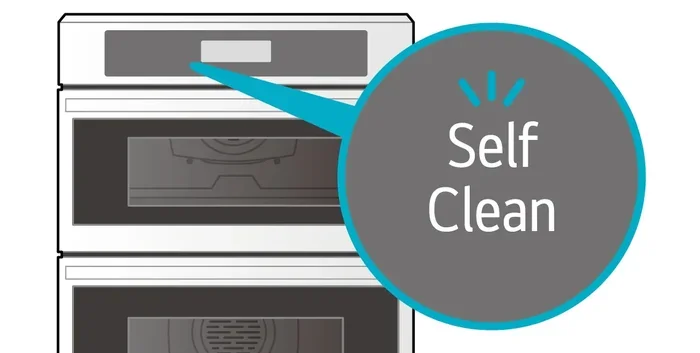
Visual guide about oven self cleaning cycle
Image source: gscs.lge.com
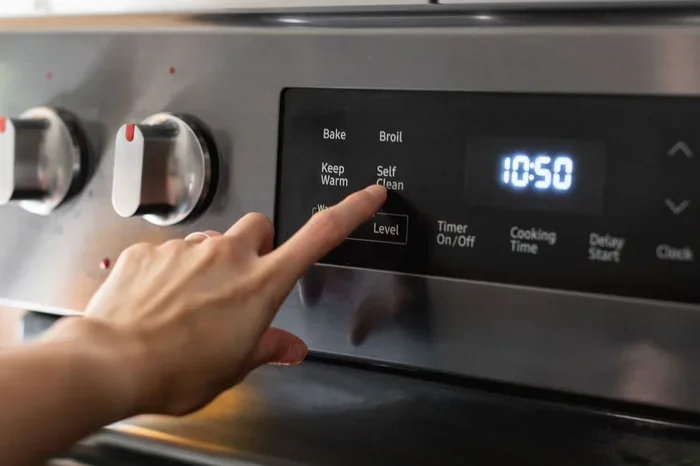
Visual guide about oven self cleaning cycle
Image source: thespruce.com
Why does my oven self clean take longer than expected?
Several factors can extend the cycle time, including heavy soil, a cold kitchen, an older oven, or a lower voltage supply. If the cycle consistently runs longer than 6 hours, it may be time to have the oven inspected by a technician.
Is it normal for my oven to smell during self-cleaning?
Yes, a mild burning smell is completely normal as food residue incinerates. However, a strong chemical smell could indicate cleaner residue or a problem with the oven. Ventilate the kitchen well and monitor the situation.
How often should I use the self-clean feature?
Most manufacturers recommend using the self-clean feature once or twice a year. Overuse can damage internal components. For regular maintenance, use gentler cleaning methods like steam cleaning or wiping with natural solutions.
Will self-cleaning damage my oven?
When used as directed, self-cleaning is safe for your oven. However, excessive use can shorten the lifespan of heating elements and the interior coating. Follow the manufacturer’s guidelines for frequency.
Can I cook food immediately after the self-clean cycle?
Wait until the oven has completely cooled down and you have wiped away any ash residue. There may also be a slight odor from the cycle. Running the oven empty at a high temperature for 10 to 15 minutes can help burn off any remaining smell before cooking.
Conclusion
So, how long does an oven self clean take? The answer is typically 2 to 6 hours, with most cycles averaging around 3 to 4 hours. The total time depends on your oven type, the level of soil, and the cycle setting you choose. Electric ovens tend to be faster than gas models, and light-clean settings can cut the time significantly.
The self-cleaning feature is a powerful tool when used correctly. It saves you from scrubbing and harsh chemicals. But it is not something you should run every week. Use it sparingly, prepare your oven properly, and always prioritize safety with good ventilation and working smoke detectors.
Now that you know exactly what to expect, you can plan your next self-cleaning cycle with confidence. Set it, let it work, and come back to a sparkling clean oven with almost zero effort. That is the beauty of modern kitchen technology working for you.