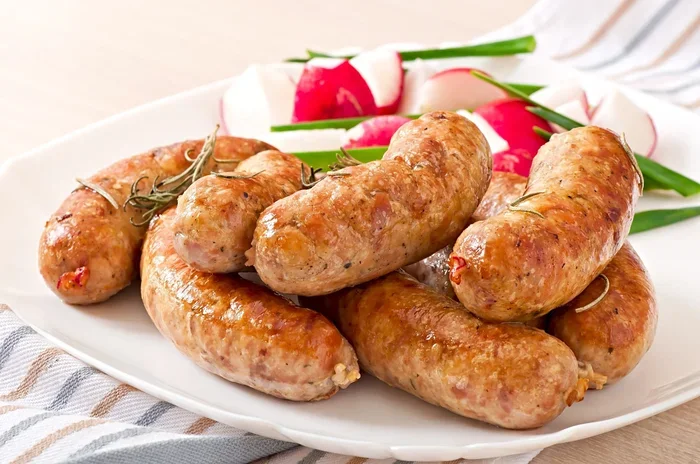
How Steam and Convection Heat Food Differently
Have you ever wondered why steamed broccoli stays bright green while roasted broccoli turns crispy and brown? The answer comes down to two very different heating methods. When you learn How Steam and Convection Heat Food Differently, you unlock better results in your kitchen every single day. This knowledge helps you pick the right tool for each dish.
Steam uses moisture to cook food gently and evenly. Convection moves hot air around food to create browning and crisp texture. Each method shines for specific foods and goals. In this guide, you will learn the science behind both methods, see real comparisons, and get practical tips you can use tonight.
- Core Concept: Steam transfers heat through water vapor, while convection moves hot air around food.
- Best for Steam: Vegetables, rice, dumplings, and delicate proteins that need gentle cooking.
- Best for Convection: Roasted meats, crispy fries, pastries, and anything needing a golden crust.
- Temperature Rule: Steam cooks at 212°F (100°C), but convection ovens reach 500°F (260°C) or more.
- Efficiency Tip: Convection cooks up to 25% faster than standard ovens at the same setting.
Why the Science of Steam Versus Convection Matters for How Steam and Convection Heat Food Differently
Heat always moves from hot to cold. However, the way that heat reaches your food changes everything. Steam carries energy through water vapor, which condenses on cooler food and releases heat fast. Convection, on the other hand, uses fans to push hot air across the food surface. This moving air strips away the cold layer around food and speeds up cooking.
Applying these recommended practices for How Steam and Convection Heat Food Differently ensures optimal longevity and efficiency. The biggest difference lies in moisture and surface drying. Steam keeps food wet, so it never browns. Convection dries the surface, which triggers the Maillard reaction and creates deep flavor. This is why the same potato becomes soft in a steamer but crunchy in a convection oven. Understanding these basics helps you choose the right method every time. For broader testing and full category recommendations, explore our in-depth guide to Why Some Ovens Need Longer Preheat Times for Beginners.
- Heat Transfer: Steam uses condensing vapor, while convection relies on circulating hot air currents.
- Moisture Levels: Steam adds water to food, but convection removes surface moisture for browning.
- Temperature Range: Steam stays near 212°F, but convection ovens often exceed 400°F.
- Flavor Development: Convection builds caramelized crusts, while steam preserves natural, clean tastes.
- Texture Outcome: Steam gives soft, tender results, but convection delivers crispy, firm exteriors.
Once you grasp these core principles, every cooking choice becomes easier. Next, let us look at how each method actually works inside your kitchen appliances. This foundation will make the rest of this guide click into place.
How Steam Cooking Actually Works
Steam cooking happens when water reaches its boiling point and turns into vapor. That vapor surrounds your food and transfers heat on contact. When steam hits cooler food, it condenses back into water and releases a huge amount of energy. This energy cooks food quickly and gently at the same time.
For the best of both worlds, steam food first to cook the inside, then finish it in a convection oven for a crispy exterior. This combo works wonders for chicken wings and potatoes.
Because steam surrounds food on all sides, cooking happens evenly. There are no hot spots or burnt edges. Also, food keeps its natural moisture, so it stays juicy and tender. This is why steamed fish flakes perfectly and steamed vegetables keep their bright color.
- Even Heating: Steam wraps around food completely, so every side cooks at the same rate.
- Moisture Retention: Food absorbs water vapor, which keeps it soft and prevents drying out.
- Nutrient Preservation: Water-soluble vitamins stay in the food instead of leaching into boiling water.
- Fixed Temperature: At normal pressure, steam stays at 212°F (100°C) and cannot go higher.
- No Browning: Without dry heat, food never develops a crust or golden color.
The fixed temperature is both a strength and a limit. It prevents burning, but it also means you cannot sear or crisp food. Therefore, steam works best for dishes that should stay soft and moist.
How Convection Heating Transforms Your Food
Convection cooking uses a fan to circulate hot air inside the oven. This moving air transfers heat to food much faster than still air. As a result, the food’s surface dries out and browns beautifully. The fan also evens out temperature differences inside the oven cavity.
Because hot air constantly moves, it strips away the thin layer of cool air that normally hugs your food. This speeds up cooking by roughly 20 to 25 percent. Many modern ovens let you switch between standard and convection modes, giving you real flexibility.
- Faster Cooking: Moving air cooks food quicker, so you often reduce time or temperature.
- Even Browning: The fan distributes heat evenly, so cookies and roasts brown uniformly.
- Crispy Textures: Dry, circulating air creates golden crusts on meats, breads, and fries.
- Multiple Racks: You can cook on several shelves at once without rotating pans.
- Maillard Reaction: High heat triggers browning, which builds rich, savory flavors.
Convection truly excels when you want texture and color. Think roasted chicken with crackling skin or a loaf of bread with a crisp shell. However, it can dry out delicate foods if you are not careful.
Comparing Heat Transfer and Airflow Mechanics
The core difference between these methods comes down to how heat reaches the food. Steam relies on phase change, where vapor turns back into liquid on the food surface. This releases latent heat, which is very efficient. Convection relies on forced air movement, which speeds up the transfer of sensible heat.
Airflow also plays a huge role in texture. In a steamer, there is no airflow, just a moist, still environment. In a convection oven, fans push air at high speed across every surface. This constant motion pulls moisture away from the food and encourages browning.
- Phase Change: Steam releases hidden energy when it condenses, cooking food rapidly.
- Forced Airflow: Convection fans push hot air continuously over food surfaces.
- Surface Drying: Moving air removes moisture, which allows browning to occur.
- Heat Uniformity: Both methods cook evenly, but they achieve it in different ways.
- Energy Efficiency: Steam heats faster per unit of energy, but convection browns better.
Neither method is better in every case. Instead, each one solves a specific cooking problem. Your job is to match the method to the food and the result you want.
Texture, Flavor, and Nutrition Outcomes
Texture is where these two methods show the most obvious differences. Steam produces soft, tender, and moist results. Convection produces firm, dry, and crispy surfaces. For example, a steamed carrot is tender and sweet, while a roasted carrot is caramelized and chewy.
Flavor also changes dramatically. Steam preserves the natural taste of food because it does not create browning compounds. Convection creates hundreds of new flavor molecules through the Maillard reaction. This is why roasted foods taste richer and more complex than steamed ones.
Nutrition tells another story. Steaming keeps more water-soluble vitamins, like vitamin C and B vitamins, inside the food. Convection can destroy some heat-sensitive nutrients, but it also concentrates flavors as water evaporates. Both methods beat deep frying for health.
- Steam Texture: Soft, moist, and tender, with no crust or chew.
- Convection Texture: Crispy, firm, and dry on the outside, tender inside.
- Steam Flavor: Clean, mild, and close to the food’s natural taste.
- Convection Flavor: Rich, roasted, and caramelized from browning reactions.
- Nutrition Edge: Steaming retains more vitamins, but convection adds no extra oil.
Think about what you want on the plate before you choose. A soft dumpling and a crispy fry demand opposite methods. Matching texture goals to the right heat source is the secret to great cooking.
Choosing the Right Method for Specific Foods
Some foods clearly belong in a steamer, while others beg for convection. Delicate items like fish, dumplings, and custards do best with gentle steam. Hearty items like potatoes, chicken, and bread thrive in moving hot air. Knowing these pairings saves you from disappointing results.
You can also combine both methods in one meal. For example, steam the vegetables while the chicken roasts in the convection oven. This lets you serve perfectly cooked food on every plate. Timing becomes your main challenge, but the payoff is worth it.
- Best for Steam: Broccoli, rice, dumplings, fish fillets, eggs, and custards.
- Best for Convection: Roast chicken, french fries, cookies, pizza, and crusty bread.
- Avoid Steam For: Anything you want browned, crispy, or caramelized.
- Avoid Convection For: Soufflés, custards, and delicate cakes that need gentle heat.
- Hybrid Approach: Steam first for moisture, then convection for a crisp finish.
Practice makes these choices second nature. Soon you will glance at a recipe and know exactly which method to use. That confidence is the real reward of understanding heat transfer.
Summary Table: Steam Versus Convection Compared
| Feature | Steam Cooking | Convection Cooking |
|---|---|---|
| Heat Source | Water vapor (condensing steam) | Circulating hot air (fan-driven) |
| Typical Temperature | 212°F (100°C) | 300°F to 500°F (150°C to 260°C) |
| Cooking Speed | Moderate, even | Up to 25% faster than standard ovens |
| Texture Result | Soft, moist, tender | Crispy, browned, firm |
| Flavor Profile | Clean and natural | Rich, roasted, caramelized |
| Best Foods | Vegetables, rice, fish, dumplings | Meats, breads, fries, pastries |
| Nutrient Retention | High for water-soluble vitamins | Moderate, varies by food |
| Browning Ability | None | Excellent |
Common Mistakes and How to Avoid Them
Many home cooks run into trouble because they use the wrong method for the wrong food. For instance, trying to crisp chicken in a steamer simply will not work. Likewise, baking a delicate custard in a convection oven often leads to cracks and rubbery texture. These mistakes are easy to fix once you know the rules.
Another common error involves temperature settings. People forget to lower the heat when switching to convection mode. This leads to burnt edges and dry interiors. Also, some cooks crowd the steamer basket, which blocks steam flow and causes uneven cooking.
- Wrong Method Match: Using steam for crispy goals or convection for soft goals rarely works.
- Ignoring Temperature Adjustments: Always reduce heat by 25°F when using convection mode.
- Overcrowding the Steamer: Leave space between pieces so steam can circulate freely.
- Skipping Preheating: Convection ovens need full preheating for even browning.
- Forgetting to Vent: Trapped steam in a convection oven stops crisping, so vent the door.
Avoiding these pitfalls takes just a little attention. Once you build better habits, your results improve fast. Small changes lead to big wins in the kitchen.
Best Practices for Mastering Both Methods
Great cooking comes down to consistent habits. Whether you steam or use convection, a few golden rules keep results reliable. These practices apply to beginners and seasoned cooks alike. Follow them and you will rarely be disappointed.
When using convection mode, lower your recipe temperature by about 25°F (15°C) and check food a few minutes early. Convection ovens cook faster than standard ovens, so recipes can overcook quickly. If you are tackling related practical challenges, check out our walkthrough on Why Moist Air Cooks Food Faster Than Dry Heat.
- Do Preheat Properly: Always let your oven or steamer reach full temperature first.
- Do Season Early: Salt food before cooking so flavors penetrate during the process.
- Do Use Timers: Check food a few minutes early, especially with convection.
- Don’t Overcrowd: Give food space so heat and air can move freely around it.
- Don’t Skip Resting: Let roasted meats rest so juices redistribute before slicing.
- Don’t Ignore Venting: Release steam from ovens to keep surfaces dry and crisp.
These habits become automatic with practice. Soon you will not even think about them. Your food will simply turn out better, meal after meal.
Frequently Asked Questions
Does Convection Always Cook Faster Than Steam?
Yes, in most cases. Convection moves hot air quickly, which speeds up heat transfer. Steam cooks evenly but stays at a fixed 212°F, so it takes longer for dense foods.
Can I Use Steam to Brown Food?
No, steam cannot brown food because it contains no dry heat. Browning requires temperatures well above 300°F. For a golden crust, you must switch to convection or another dry-heat method.
Is Steamed Food Healthier Than Convection-Cooked Food?
Steaming preserves more water-soluble vitamins because food never touches boiling water. However, convection needs no added oil, so both methods are healthy choices overall.
Why Does My Convection Oven Dry Out Food?
The fan removes surface moisture, which can dry food if you cook too long. Lower the temperature by 25°F and check food early. Covering items also helps retain moisture.
Can I Combine Steam and Convection in One Appliance?
Yes, many modern ovens offer a steam-plus-convection mode. This combo cooks food gently first, then browns it. It is perfect for bread, poultry, and roasted vegetables.
Which Method Is Better for Reheating Leftovers?
Steam works best for rice, pasta, and bread because it restores moisture. Convection works better for pizza, fried foods, and anything you want crispy again.
Conclusion: Final Summary and Next Steps
Understanding How Steam and Convection Heat Food Differently changes the way you cook. Steam uses moist vapor to cook gently and evenly, while convection uses moving hot air to brown and crisp. Each method has clear strengths and clear limits. The key is matching the method to your food and your goals.
Start small by testing both methods on the same vegetable. Steam half a batch of carrots and roast the other half in convection mode. Taste the difference, note the textures, and decide which you prefer. This simple experiment teaches more than any recipe ever could.
As you practice, you will build instinct and confidence. Your meals will taste better, look better, and cook more reliably. So preheat that oven, fire up that steamer, and put this knowledge to work tonight.