How to Cook Boston Butt in Oven Perfectly Every Time
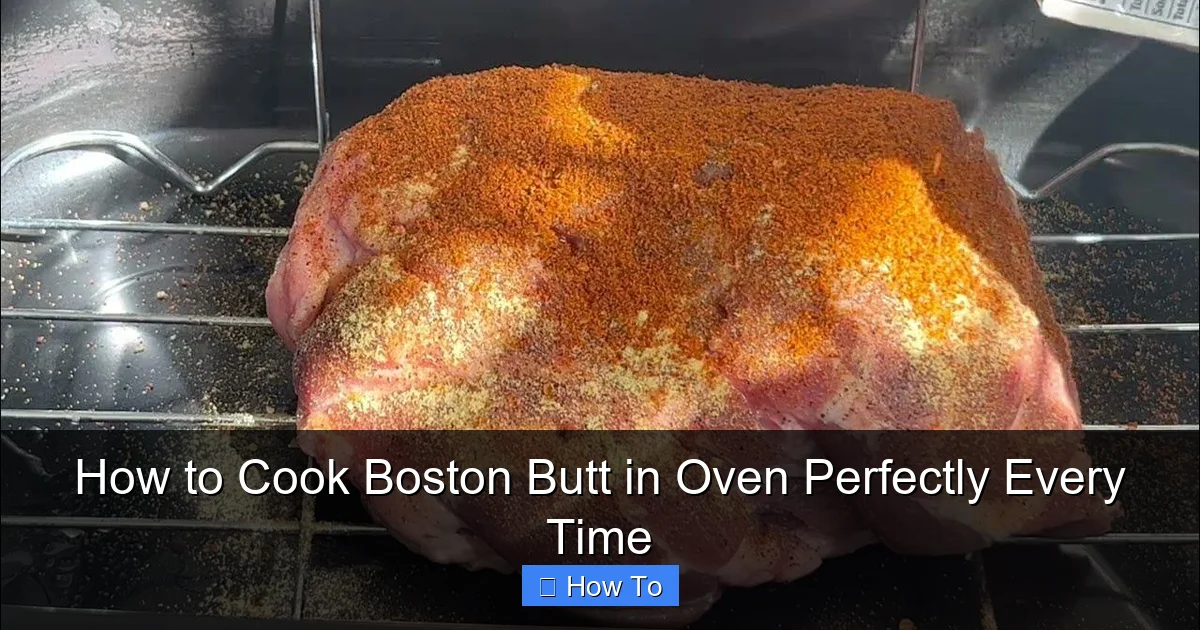
Featured image for how to cook boston butt in oven
Image source: i.ytimg.com
Cook Boston butt in the oven at 300°F for tender, fall-apart results every time by seasoning generously, searing for a rich crust, and slow-roasting for 4–5 hours until it reaches 195–203°F internally. Rest it for 30 minutes before shredding to lock in juices and maximize flavor—perfect for pulled pork sandwiches or tacos.
How to Cook Boston Butt in Oven Perfectly Every Time
Why This Matters / Understanding the Problem
You’ve got a Boston butt (also called pork shoulder), and you’re dreaming of tender, pull-apart meat with a crispy bark—but every time you try, it turns out dry, tough, or undercooked. Sound familiar?
This cut is not like chicken breast or pork chops. It’s rich in connective tissue, which needs low, slow heat to break down into juicy, fall-off-the-bone goodness. The good news? You don’t need a smoker or fancy equipment. How to cook Boston butt in oven perfectly every time is all about technique, not magic.
When done right, oven-baked Boston butt delivers rich flavor, crispy edges, and melt-in-your-mouth texture—perfect for pulled pork sandwiches, tacos, or even nachos. But without the right method, you risk wasting time, money, and meat.
Pro Tip: The oven is one of the most reliable tools for cooking Boston butt evenly. Unlike grills or smokers, it gives you precise temperature control—ideal for beginners and pros alike.
What You Need
Before diving in, gather your tools and ingredients. This method works for a 6- to 8-pound Boston butt, which feeds 6–8 people.
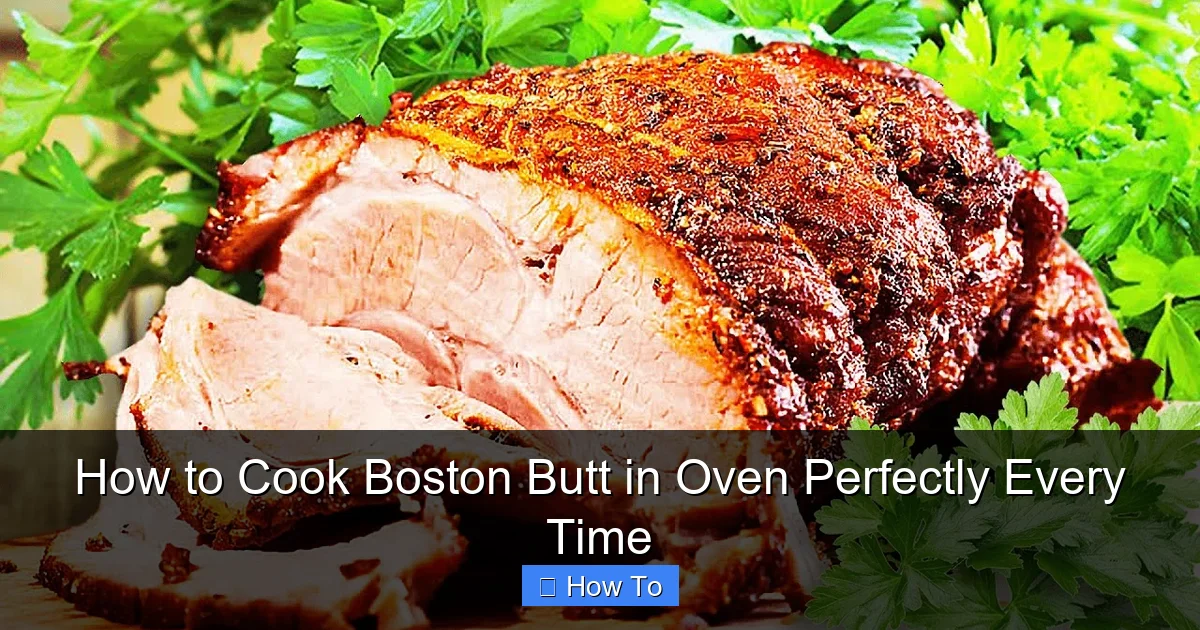
Visual guide about how to cook boston butt in oven
Image source: i.ytimg.com
Tools
- Large roasting pan or Dutch oven (oven-safe)
- Meat thermometer (digital probe preferred)
- Sharp knife
- Cutting board
- Aluminum foil or parchment paper (optional, for wrapping)
- Tongs
- Two forks or meat claws (for shredding)
Ingredients
- 1 Boston butt (6–8 lbs)
- 2–3 tbsp olive oil or mustard (for binder)
- Your favorite dry rub (or make your own—see Pro Tips)
- 1 cup apple juice, apple cider, or water (for moisture in the pan)
- Optional: 1/4 cup brown sugar, 1 tbsp smoked paprika, garlic powder, onion powder, black pepper, cayenne
You don’t need brine or marinade—just a good rub and time. The secret to how to cook Boston butt in oven perfectly every time lies in the seasoning and slow cook.
Step-by-Step Guide to How to Cook Boston Butt in Oven Perfectly Every Time
Step 1: Prep the Meat (Trim & Dry)
Start by removing the Boston butt from the fridge 30–60 minutes before cooking. This helps it cook more evenly.
Use a sharp knife to trim excess hard fat (keep about 1/4 inch of soft fat—it adds flavor and protects the meat). Pat the surface completely dry with paper towels. Moisture = steam, not sear.
Warning: Skipping the dry step means you’ll never get a good bark. A dry surface is key for crispy, flavorful crust.
Step 2: Apply the Rub (Season Generously)
Lightly coat the pork with olive oil or yellow mustard—this helps the rub stick. Then, sprinkle your dry rub evenly on all sides, pressing it in gently.
For a classic rub: Mix 2 tbsp brown sugar, 1 tbsp smoked paprika, 1 tbsp garlic powder, 1 tbsp onion powder, 1 tsp black pepper, and 1/2 tsp cayenne. Adjust to taste.
Let the seasoned pork sit at room temperature while you preheat the oven. This “dry brine” boosts flavor and helps form a better crust. This step is crucial for how to cook Boston butt in oven perfectly every time—don’t rush it.
Step 3: Preheat & Set Up the Pan
Preheat your oven to 250°F (121°C). This low temperature is the magic number for breaking down collagen without drying out the meat.
Place a wire rack inside a large roasting pan (or use a Dutch oven). Pour 1 cup of liquid (apple juice, cider, or water) into the bottom. This creates steam, keeps the meat moist, and prevents burning.
Pro Tip: If you don’t have a rack, place the pork directly in the pan—just make sure the liquid doesn’t touch the meat. The goal is steam, not boiling.
Step 4: Roast Low and Slow
Place the Boston butt on the rack, fat-side up. This allows the fat to render slowly and baste the meat.
Insert a meat thermometer into the thickest part—avoid touching bone. Roast uncovered for 4 to 6 hours, depending on size. The general rule: 1.5 hours per pound at 250°F.
After 2 hours, check the pan. If the liquid has evaporated, add another 1/2 cup. But don’t open the oven too often—every peek drops the temp by 25°F!
This slow roast is the heart of how to cook Boston butt in oven perfectly every time. Patience pays off with tender, juicy results.
Step 5: Check Internal Temperature
The magic number is 195–203°F (90–95°C). At this temp, collagen has fully broken down into gelatin, making the meat tender and easy to shred.
Don’t go by time alone—use the thermometer. If the meat is at 195°F but still tough, keep cooking. Some butts need more time, especially if they’re larger or colder.
Warning: Pulling the meat too early (below 190°F) results in chewy, stringy texture. Wait until it’s probe-tender—when a skewer slides in with zero resistance.
Step 6: Rest & Shred
Remove the pork from the oven. Tent loosely with foil and let it rest for 30–60 minutes. This allows juices to redistribute.
After resting, transfer to a large tray or bowl. Use two forks or meat claws to shred. Discard any large fat chunks or bone.
Optional: Skim fat from the pan drippings and mix 1/4 cup of the juice back into the shredded meat for extra moisture and flavor.
Now you’ve got restaurant-quality pulled pork—ready to serve or store. This is the final step in mastering how to cook Boston butt in oven perfectly every time.
Step 7: Optional Crisp-Up (For Extra Bark)
Want a crispier crust? Spread the shredded meat on a baking sheet. Broil for 2–3 minutes, watching closely to avoid burning.
Or, sauté in a skillet with a little oil for 3–4 minutes. This adds texture without drying out the meat.
Great for tacos, nachos, or when serving warm right after cooking.
Pro Tips & Common Mistakes to Avoid
Even small mistakes can ruin a Boston butt. Here’s what to watch for—and how to fix it.
Use a Meat Thermometer (No Guessing!)
Ovens vary. Meat thickness varies. Time estimates are just that—estimates. A thermometer is your best friend. Aim for 195–203°F for tender results.
Don’t Overcook After 203°F
While 203°F is ideal, going much higher can make the meat fall apart too much—great for pulled pork, but messy for sandwiches. Pull it at 203°F for the best balance.
Keep the Oven Closed
Opening the door drops the temperature and slows cooking. Only check every 1.5–2 hours unless you’re adding liquid.
Season Generously, But Balance Sweet & Spicy
Too much sugar burns at high temps. Too much cayenne overwhelms. Aim for a balanced rub: sweet, savory, smoky, and a little heat.
Pro Tip: For a deeper flavor, mix 1 tbsp of liquid smoke into the rub or add a splash to the pan liquid.
Don’t Skip the Rest
Resting isn’t just tradition—it’s science. Juices stay in the meat, not on the cutting board. 30 minutes minimum. 60 is better.
Common Mistake: Cooking at High Heat
Some recipes say “roast at 400°F then drop to 325°F.” That might work for smaller cuts, but Boston butt needs consistent low heat. High heat = tough, dry meat on the outside, undercooked inside.
Stick to 250°F the whole time. It’s slower, but it’s the only way to get even, tender results every time.
FAQs About How to Cook Boston Butt in Oven Perfectly Every Time
Can I cook a frozen Boston butt?
Not recommended. Cooking from frozen risks uneven cooking and food safety issues. Always thaw in the fridge for 24–48 hours. If you’re in a rush, use the cold water method (sealed bag, change water every 30 minutes).
Can I use a slow cooker instead?
Yes, but it’s harder to get a good bark. For slow cooker: sear first, cook on low 8–10 hours, then broil or pan-sear after shredding. The oven gives better texture and control.
How do I store leftovers?
Refrigerate in an airtight container for up to 4 days. For longer storage, freeze in portions for up to 3 months. Reheat gently with a splash of broth or pan drippings to keep it moist.
Why is my pork dry?
Most likely, you pulled it too early (below 190°F) or overcooked it. Also, avoid high oven temps. Use a thermometer and let it rest properly. Moisture comes from time, not sauce.
Can I add barbecue sauce while cooking?
No. Sugar in BBQ sauce burns at 250°F. Add sauce only after shredding or during reheating. For a saucy version, toss shredded pork with sauce before serving.
How do I know when it’s done without a thermometer?
Insert a fork or skewer into the thickest part. If it twists easily and slides out with no resistance, it’s done. The meat should feel soft, not firm. But a thermometer is still more reliable.
Can I cook it in a Dutch oven?
Absolutely! A Dutch oven is perfect for this. Just keep the lid off for the first 4 hours to form a bark, then you can cover if the liquid evaporates too fast.
Final Thoughts
Cooking a Boston butt in the oven isn’t hard—it just takes time, patience, and the right method. Once you master how to cook Boston butt in oven perfectly every time, you’ll never fear this cut again.
Remember: low and slow wins the race. Trim, season, roast at 250°F, check the temp, rest, and shred. That’s it. No shortcuts, no guesswork.
Whether you’re feeding a crowd, meal prepping, or just craving comfort food, this method delivers juicy, flavorful pulled pork every single time. Try it this weekend—you’ll taste the difference.
And when friends ask, “How’d you make this so good?”—just smile and say, “I followed the oven rule.”
Now go grab that pork, fire up the oven, and make something delicious.