How to Cook Spaghetti Squash in Oven Perfectly Every Time

Featured image for how to cook spaghetti squash in oven
Image source: i.ytimg.com
Preheat your oven to 400°F and slice the spaghetti squash in half lengthwise to ensure even cooking and easy access to the tender, stringy flesh. Roast cut-side down on a parchment-lined baking sheet for 35–45 minutes until the interior easily shreds with a fork, delivering perfectly al dente results every time.
How to Cook Spaghetti Squash in Oven Perfectly Every Time
Why This Matters / Understanding the Problem
Ever tried roasting spaghetti squash and ended up with mushy strands or a tough, uncooked center? You’re not alone. Many home cooks struggle with how to cook spaghetti squash in oven perfectly every time—especially when trying to balance even cooking, easy scraping, and that ideal al dente texture.
Spaghetti squash is a low-carb, nutrient-rich alternative to pasta, but it only shines when cooked right. Undercook it, and it’s crunchy and bland. Overcook it, and it turns into a soggy mess. The oven method is one of the most reliable ways to get consistent, fork-tender strands with a light, sweet flavor.
Whether you’re meal prepping, following a keto diet, or just trying to eat more veggies, mastering this technique means you can enjoy a healthy, satisfying dish without guesswork. Let’s make it simple.
What You Need
You don’t need fancy gear to nail this. Here’s a quick list of tools and ingredients to get you started:

Visual guide about how to cook spaghetti squash in oven
Image source: i.pinimg.com
- One medium spaghetti squash (about 3–4 lbs) – look for firm, heavy squash with no soft spots
- Sharp chef’s knife – for safe cutting
- Cutting board – preferably non-slip
- Spoon or ice cream scoop – to remove seeds
- Large baking sheet – with a rim to catch drips
- Aluminum foil or parchment paper – optional, but helpful for easy cleanup
- Olive oil – about 1–2 teaspoons per half
- Salt and pepper – to taste
- Fork – for scraping the “spaghetti” strands
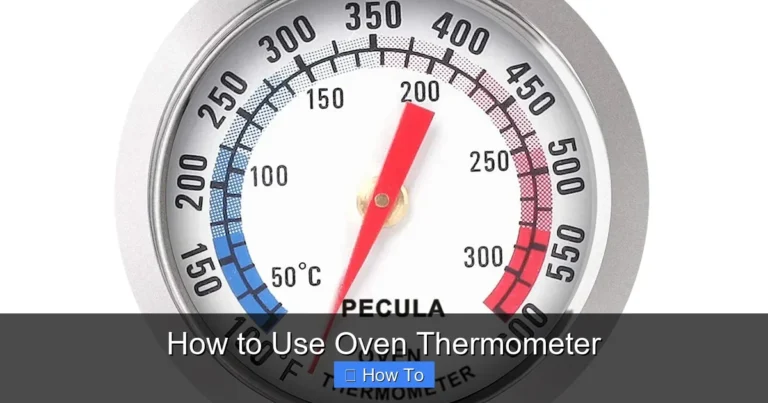
Bonus: A meat thermometer can help avoid overcooking (ideal internal temp: 205–210°F). But if you don’t have one, don’t stress—we’ll show you how to check doneness by feel.
With these basics, you’re ready to learn how to cook spaghetti squash in oven perfectly every time—no kitchen hacks required.
Step-by-Step Guide to How to Cook Spaghetti Squash in Oven Perfectly Every Time
Step 1: Preheat the Oven and Prep the Surface
Set your oven to 400°F (205°C) and let it fully preheat. This ensures even cooking from the start.
Line a large baking sheet with parchment paper or foil. This keeps the squash from sticking and makes cleanup a breeze. If you skip this, just make sure to lightly grease the pan with oil.
Pro tip: Preheating is non-negotiable. A cold oven leads to uneven cooking and longer cook times—ruining texture.
Step 2: Safely Cut the Squash in Half
Place the spaghetti squash on a stable cutting board. Use a sharp knife to slice it lengthwise from stem to base.
This is the trickiest part—squash can be tough! Use steady pressure and rock the knife back and forth if needed. Never try to cut it while it’s on your lap or a wobbly surface.
Warning: Use the “claw grip” to protect your fingers. Curl your fingertips under and guide the knife with your knuckles.
Once halved, you’ll see the seeds in the center. Don’t discard them—you can roast them later for a crunchy snack!
Step 3: Scoop Out the Seeds
Use a sturdy spoon or ice cream scoop to remove the seeds and stringy pulp from the center of each half.
Think of it like cleaning a jack-o’-lantern—scrape until you have a smooth, even cavity. Leave the yellow flesh intact.
Pro tip: Save the seeds, rinse them, toss with oil and salt, and roast at 325°F for 10–12 minutes. They’re a tasty, zero-waste snack.
Step 4: Season the Flesh
Drizzle ½ to 1 teaspoon of olive oil over each half. Rub it evenly over the cut surface and into the cavity.
Sprinkle with salt and pepper to taste. For extra flavor, try garlic powder, smoked paprika, or a pinch of chili flakes.
Seasoning before roasting lets the flavors penetrate the flesh—something many miss when seasoning after cooking.
This step is key to mastering how to cook spaghetti squash in oven perfectly every time with great taste.
Step 5: Place Flesh-Side Down on Baking Sheet
Flip each half so the cut side faces down. This creates a natural steam pocket that helps cook the squash evenly and keeps the flesh moist.
Make sure the halves are not touching—this allows hot air to circulate and prevents steaming instead of roasting.
Why face down? The skin acts like a lid, trapping moisture and heat. This prevents the squash from drying out.
Step 6: Roast Until Tender
Roast for 35 to 45 minutes, depending on size. A 3-pound squash usually takes about 40 minutes.
Check doneness by piercing the skin with a fork. It should slide in easily, and the flesh should feel tender but not mushy.
For precision: Insert a meat thermometer into the thickest part. It should read 205–210°F. Below 200°F? Keep roasting. Over 215°F? Risk of mushiness.
Rotate the pan halfway through if your oven has hot spots.
Step 7: Let It Rest and Scrape the Strands
Remove the squash from the oven and let it rest for 5–10 minutes. This helps the strands firm up slightly, making them easier to scrape.
Use a fork to scrape from one end to the other. The flesh will separate into long, spaghetti-like strands—like magic!
Scrape until the cavity is clean. You’ll get about 3–4 cups of “noodles” from a medium squash.
Now you’ve unlocked the secret to how to cook spaghetti squash in oven perfectly every time: patience and the right scrape technique.
Step 8: Season and Serve
Transfer the strands to a bowl. Toss with a little extra olive oil, salt, and your favorite toppings.
Try: marinara sauce and Parmesan, pesto with grilled chicken, or a simple garlic butter sauce with fresh herbs.
For meal prep: Store cooled squash in an airtight container for up to 5 days in the fridge. Reheat in a skillet with a splash of water to restore moisture.
Pro Tips & Common Mistakes to Avoid
Even small errors can ruin your squash. Here’s what the pros know:
- Don’t skip preheating: A cold oven means uneven cooking. Always wait for the beep.
- Cutting the squash raw is safer than microwaving it first (a common shortcut). Microwaving can make it too soft and harder to slice cleanly.
- Don’t overcrowd the pan: Airflow matters. Give each half space to roast, not steam.
- Underseasoning: Salt and oil before roasting make a huge difference. Don’t wait until after.
- Overcooking: More than 45 minutes at 400°F usually means mush. Set a timer and check early.
- Using a dull knife: A sharp knife cuts cleanly and safely. A dull one slips and slips.
Pro tip: For extra crisp edges, flip the halves flesh-side up for the last 5 minutes. Just don’t burn them!
Also, avoid the temptation to cook it at a higher temp (like 450°F) to save time. High heat can char the outside before the inside cooks through—leading to uneven results.
Remember: How to cook spaghetti squash in oven perfectly every time isn’t about speed. It’s about control, timing, and technique.
FAQs About How to Cook Spaghetti Squash in Oven Perfectly Every Time
Q: Can I cook spaghetti squash whole in the oven?
A: Technically yes, but it’s not recommended. The outside burns before the inside cooks. Cutting it in half ensures even heat distribution and faster cooking.
Q: How do I know if my spaghetti squash is ripe?
A: Look for a deep yellow or golden color (not green), firm skin, and a weight that feels heavy for its size. Avoid soft spots or cracks.
Q: Can I freeze cooked spaghetti squash?
A: Yes! Cool completely, pack in freezer-safe bags, and freeze for up to 3 months. Thaw in the fridge and reheat gently. Note: texture becomes softer after freezing, so best for sauces or casseroles.
Q: Why is my squash still hard after 45 minutes?
A: Your oven may run cold. Try increasing time by 5–10 minutes or using an oven thermometer to verify the temp. Also, older squash can be denser—opt for fresh, in-season ones (fall and winter).
Q: Can I add sauce before roasting?
A: Not recommended. Sauces with sugar (like marinara) can burn at high heat. Season lightly, roast, then add sauce after.
Q: Is spaghetti squash keto-friendly?
A: Yes! One cup of cooked squash has about 7–9 grams of carbs (net), making it a great low-carb pasta alternative. Just watch your toppings.
Q: What’s the best way to reheat spaghetti squash?
A: Skillet with a splash of water or broth (3–5 minutes) is best. Avoid microwaving—it turns it soggy. For crispness, use a non-stick pan over medium heat.
Final Thoughts
Cooking spaghetti squash doesn’t have to be intimidating. With the right tools, a few simple steps, and attention to detail, you can master how to cook spaghetti squash in oven perfectly every time.
Remember: preheat, cut safely, season well, roast flesh-side down, and scrape with care. These small habits make all the difference.
Whether you’re serving it as a side, a base for stir-fry, or a hearty bowl with roasted veggies, this method delivers consistent, delicious results.
Now it’s your turn. Grab a squash, fire up the oven, and give it a try. Once you nail it, you’ll never go back to soggy, uneven results again. Happy cooking!