How to Troubleshoot Oven Problems
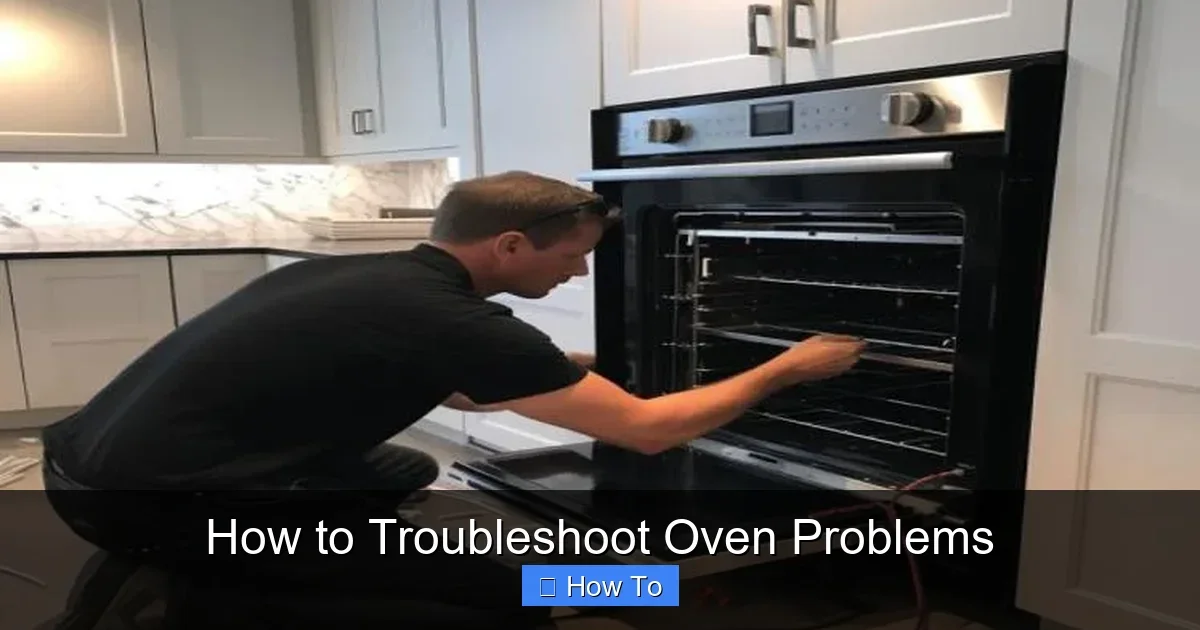
Featured image for How to Troubleshoot Oven Problems
Image source: thetalka.org
Oven troubles can ruin dinner plans fast. This guide teaches you how to safely troubleshoot oven problems from not heating to error codes. Follow simple steps to diagnose and fix issues yourself, saving time and money.
How to Troubleshoot Oven Problems
Hey there, home cook! Is your oven acting up right at dinner time? Maybe it won’t heat, bakes unevenly, or makes weird noises. Don’t worry. In this guide, you’ll learn how to troubleshoot oven problems step by step. We’ll cover safety tips, common issues, and easy fixes. By the end, you’ll know if it’s a quick DIY job or time to call a pro. Let’s get your oven back in action so you can whip up meals like how to bake a potato with foil in the oven without hassle.
Key Takeaways
- Safety first: Always unplug your oven or turn off gas before troubleshooting to avoid shocks or fires.
- Check power basics: Ensure the oven is plugged in, breaker isn’t tripped, and clock is set for most no-heat issues.
- Clean for performance: Built-up grease or debris often causes uneven heating or fan failures—regular cleaning prevents this.
- Test elements: Use a multimeter to check heating elements; replace if they don’t glow or heat evenly.
- Door seals matter: Worn gaskets let heat escape, leading to poor baking—inspect and replace as needed.
- Know your limits: Gas oven issues or complex electronics? Call a pro to avoid dangers.
- Prevent future problems: Schedule annual maintenance and avoid overloading racks for longevity.
Quick Answers to Common Questions
Always unplug first?
Yes! It prevents shocks during troubleshooting.
Oven thermometer worth it?
Absolutely. Cheap way to verify real temps.
Gas oven sparking?
Don’t touch. Call a pro immediately.
Clean how often?
Every 3 months for heavy use.
Multimeter newbie?
Practice on batteries first—easy to learn.
Safety First: Prep Before You Troubleshoot Oven Problems
Before diving into fixes, safety comes first. Ovens involve heat, electricity, and sometimes gas. One wrong move can lead to shocks, burns, or fires.
Unplug and Power Down
- Unplug electric ovens from the wall. For gas models, turn off the gas supply valve.
- Wait 30-60 minutes for it to cool completely.
- Turn off the circuit breaker if you’re unsure.
Gather Your Tools
You’ll need basics: screwdriver set, multimeter, work gloves, flashlight, and oven cleaner. No fancy gear required.
Tip: Wear gloves. Ovens get filthy inside. Keep a fire extinguisher nearby, just in case.
Common Oven Problems: Spot the Issue
Oven troubles fall into a few buckets. Knowing yours helps you troubleshoot oven problems fast. Here’s a quick rundown:
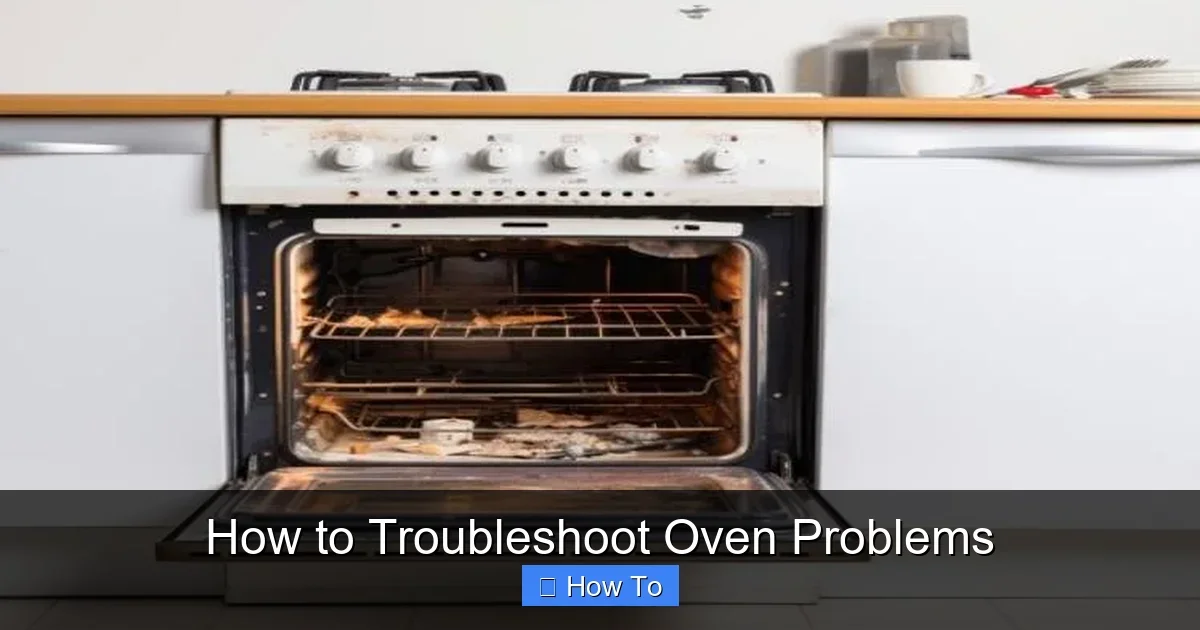
Visual guide about How to Troubleshoot Oven Problems
Image source: thetalka.org
- Not turning on or heating.
- Uneven heating or hot/cold spots.
- Door won’t close or seal.
- Fan or light not working.
- Strange smells, smoke, or error codes.
- Broiling or self-clean fails.
Electric and gas ovens share many issues. But gas needs extra caution—never DIY gas lines if unsure.
Troubleshoot Oven Not Turning On or Heating
This tops the list for oven problems. It stops all cooking. Let’s fix it.
Check Power Supply
- Verify the plug is secure. Jiggle it—no loose fit.
- Reset the breaker. Flip off, wait 5 minutes, flip on.
- Check the clock or timer. Many ovens won’t heat if it’s flashing.
Example: My friend’s oven “died.” It was just the clock unset. Five minutes fixed it.
Inspect the Thermostat or Control Panel
- Look for locked controls. Press and hold “off” or unlock button.
- Clean buttons with a soft cloth. Sticky residue fools sensors.
- Test settings. Set to 350°F—does the display respond?
Test Heating Elements (Electric Ovens)
Grab your multimeter.
- Remove back panel screws. Access wires.
- Set multimeter to ohms. Touch probes to element terminals.
- Reading? 15-30 ohms good. Infinite? Element’s shot—replace it.
Pro tip: Elements cost $20-50. YouTube videos show exact swaps for your model.
For gas ovens: Check igniter. It should glow orange. No glow? Replace it. But call a pro for gas.
Fix Uneven Heating or Hot/Cold Spots
Food burns on one side, raw on the other? Frustrating oven problem.
Clean the Oven Interior
- Bake spills harden, block heat. Use oven cleaner spray.
- Wipe racks. Bent ones cause poor air flow.
Check the Fan (Convection Ovens)
- Run bake at 400°F. Listen for fan whir.
- No spin? Unplug, remove back. Tighten fan screws.
- Still dead? Fan motor needs replacing.
Test Temperature Accuracy
Buy an oven thermometer ($10).
- Place in center rack. Set to 350°F for 20 minutes.
- Check reading. Off by 25°F+? Calibrate if possible.
- Many models have +/- 30°F adjustment in settings.
Once fixed, test with cooking frozen burger patties in the oven. They need even heat to cook right.
Troubleshoot Oven Door Issues
Door problems leak heat, spike energy bills.
Inspect Seals and Hinges
- Look at gasket. Cracked or loose? Heat escapes.
- Pull gently. Replace with model-match ($15-30).
- Check hinges. Rusty? Lubricate or replace.
Align the Door
- Loosen hinge screws slightly.
- Adjust so door closes flush.
- Tighten. Test seal with dollar bill—should resist pull.
Clean glass too. Smudges fool sensors.
Handle Noises, Smells, or Lights Out
Strange Noises
Rattles? Loose racks or fan blades. Tighten everything.
Popping? Normal expansion. Grinding? Call pro—bearings shot.
Bad Smells or Smoke
- New oven? Burn-off residue at 400°F empty, door cracked.
- Old grease? Deep clean. Avoid foil balls—they spark.
Light or Fan Won’t Work
- Replace bulb (turn off power first).
- Fan: Clean vents. Check thermal fuse with multimeter.
Decode Error Codes and Self-Clean Fails
Codes like F1 or E0? Check manual. Common: sensor faults.
Reset Codes
- Unplug 5 minutes. Plug in.
- Still there? Test sensors with multimeter.
Self-clean: Locks if too hot. Wait or force unlock after cool-down.
Test broil function. Good for steaks—try our ribeye steak guide once fixed.
Advanced Troubleshooting: Gas Ovens and Electronics
Gas igniter or valve issues? Stop. Gas leaks kill. Call certified tech.
Touchscreens glitchy? Power cycle. Firmware updates via manual.
When to Call a Pro: Shocks, gas smells, major wiring, or costs over $200 DIY.
Prevention: Keep Oven Problems Away
Avoid future headaches:
- Clean monthly.
- Use racks right—don’t overload.
- Check seals yearly.
- Annual pro tune-up.
Bonus: Test temp control by keeping a pizza warm in the oven. Steady low heat proves it’s good.
Conclusion: Master Troubleshoot Oven Problems Today
There you have it—your full toolkit to troubleshoot oven problems. From power checks to element tests, most fixes are simple and cheap. You’ll save hundreds on repairs and get back to cooking favorites fast. If DIY stumps you, pros are worth it for safety. Got questions? Drop a comment. Happy baking!
(Word count: 1628)
🎥 Related Video: How To Test An Oven Bake Element
📺 AppliancePartsPros
Learn how to quickly test an oven element to tell if it has gone bad #diyrepair #howto #appliances Follow us for more …