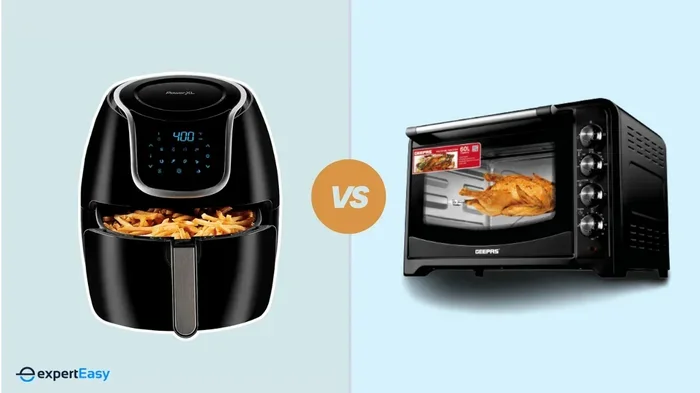
The Difference Between an Air Fryer and a Traditional Oven
Air fryers and traditional ovens differ mainly in speed, energy efficiency, and texture. Air fryers use rapid air circulation for quick, crispy results, while traditional ovens offer larger capacity and more versatile cooking methods. Choosing between them depends on your cooking habits and goals.
- Cooking method: Air fryers use rapid air technology; traditional ovens rely on ambient heat.
- Speed: Air fryers preheat and cook faster.
- Energy efficiency: Air fryers use less power for smaller loads.
- Capacity: Traditional ovens handle larger dishes and multiple racks.
- Texture and versatility: Ovens provide more cooking options and even results for big meals.
- Cleanup: Air fryers often have simpler, smaller parts to clean.
Quick Answers to Common Questions
What is The Difference Between an Air Fryer and a Traditional Oven?
The Difference Between an Air Fryer and a Traditional Oven refers to essential knowledge and techniques.
📑 Table of Contents
- Introduction to Air Fryers and Traditional Ovens
- How an Air Fryer Works
- How a Traditional Oven Works
- Cooking Speed and Preheating
- Energy Use and Efficiency
- Texture, Taste, and Cooking Results
- Capacity and Versatility
- Cleanup and Maintenance
- Safety and Kitchen Space
- Making Your Choice
- Conclusion
- FAQs
Introduction to Air Fryers and Traditional Ovens
In many kitchens, you see both an air fryer and a traditional oven. They seem similar because both use heat to cook food. Yet they work in different ways and suit different cooking needs. Knowing the difference helps you save time, energy, and effort. This article explains the key differences in simple terms.
You will learn how each appliance works, when to use it, and how it affects taste, texture, and cleanup. By the end, you will have a clear picture of which tool fits your cooking style. Let us break it down step by step.
How an Air Fryer Works
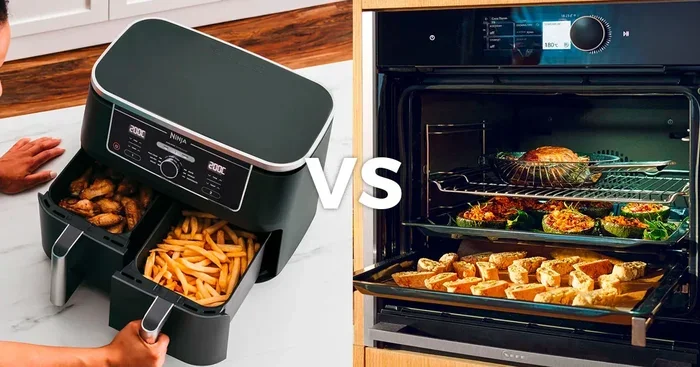
An air fryer is a compact countertop appliance. It has a heating element and a powerful fan. The fan pushes hot air around the food very quickly. This rapid air circulation creates a crispy outer layer similar to deep frying, but with much less oil.
Visual guide about air fryer vs oven comparison
Image source: danbyinteriors.co.uk
Because the cooking chamber is small and the air moves fast, heat transfers efficiently. Food gets hot faster and often browns evenly. Many people use an air fryer for wings, fries, and roasted vegetables. It is popular for those who want a healthier version of fried textures.
Key Features of Air Fryers
- Compact size that fits on a counter.
- Fast preheat and cook times.
- Uses little to no oil for crispy results.
- Easy to clean with removable trays.
- Good for small portions and quick meals.
How a Traditional Oven Works
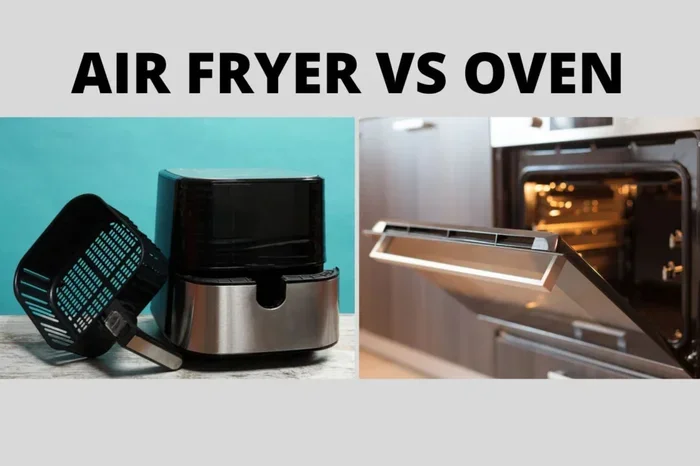
A traditional oven heats the air inside a larger chamber. Most use heating elements at the top and bottom. Some models have a fan, but even fan ovens rely on the whole cavity filling with hot air.
Visual guide about air fryer vs oven comparison
Image source: lianaskitchen.co.uk
Because the space is larger, a traditional oven can handle multiple dishes at once. It is great for baking, roasting large meals, and dishes that need slow, steady heat. You can use racks to layer food and bake several items together.
Key Features of Traditional Ovens
- Larger capacity for big dishes and trays.
- Versatile for baking, roasting, and broiling.
- Steady, even heat for thorough cooking.
- Can cook for many people at once.
- Available as gas or electric models.
Cooking Speed and Preheating
One major difference is speed. An air fryer heats up almost instantly. You set the temperature, and the small chamber reaches it quickly. This means food starts cooking faster than in a full-sized oven.
A traditional oven takes longer to preheat, especially for large meals. The entire cavity must reach the right temperature, which can take several minutes. However, once hot, it maintains steady heat for hours. For big roasts or multiple trays, this steady heat is a strong advantage.
Quick Tips for Speed
- Use an air fryer when you need food in under 20 minutes.
- Preheat a traditional oven for big dishes to ensure even cooking.
- For weeknight dinners, the air fryer often wins on time.
Energy Use and Efficiency
Energy efficiency matters for both your bills and the environment. An air fryer uses less power because it is small and heats quickly. It only warms the food directly around it, so there is little wasted heat.
A traditional oven uses more electricity or gas, especially when you heat a large space. Yet if you cook multiple dishes at once, you can use less energy per meal compared to using the oven several times for smaller portions. Modern ovens with good insulation help reduce waste.
Energy-Saving Tips
- Use the air fryer for small portions to save power.
- Batch cook in the traditional oven to maximize efficiency.
- Keep oven doors closed while cooking to retain heat.
Texture, Taste, and Cooking Results
Texture plays a big role in food enjoyment. The rapid air in an air fryer creates a crispy exterior similar to deep frying. This works well for foods that you want crunchy on the outside but tender inside.
A traditional oven offers more controlled, gentle heat. It is better for dishes that need slow cooking, moisture retention, or even browning across many layers. Roasts, casseroles, and baked goods often turn out better in a full oven.
Results Comparison
| Result | Air Fryer | Traditional Oven |
|---|---|---|
| Crispiness | High for small portions | Even but may need longer time |
| Moisture | ||
| Even Cooking |
Capacity and Versatility
Capacity is a simple but important factor. An air fryer works for one to a few servings. You need to cook in batches for larger groups. This suits small households or quick snacks.
A traditional oven shines when you cook for family or prepare big meals. You can roast a whole chicken, bake several trays of cookies, or heat a large casserole. The versatility also includes techniques like broiling and slow roasting.
When to Choose Each
- Pick an air fryer for quick, small meals and healthier frying.
- Choose a traditional oven for big dinners, baking, and one-pot roasts.
- Some cooks use both to cover all needs.
Cleanup and Maintenance
Cleanup is often easier with an air fryer. The parts are small and usually dishwasher safe. Grease and crumbs stay contained, so your kitchen stays cleaner.
A traditional oven can be more work. Spills on the bottom or ceiling need scrubbing. Oven racks require soaking, and baked-on food is stubborn. Self-cleaning features help, but they use high heat and strong fumes.
Simple Maintenance Tips
- Wipe the air fryer basket after each use.
- Place a tray at the bottom of the oven to catch drips.
- Clean oven glass doors regularly to avoid buildup.
Safety and Kitchen Space
Safety is important in any kitchen. An air fryer stays relatively cool on the outside and often has automatic shutoff. Yet the heating element is exposed, so careful handling is needed.
A traditional oven gets very hot on the outside and can pose burn risks. It also needs clearance for ventilation. You must plan kitchen layout to avoid accidents and ensure proper airflow.
Making Your Choice
Choosing between an air fryer and a traditional oven depends on your lifestyle. If you cook quickly, want less oil, and make small meals, an air fryer may be ideal. If you host, bake often, or cook large roasts, a traditional oven is likely better.
Many home cooks find value in having both. You can use the air fryer for weeknight speed and the oven for weekend projects. Think about how you cook and what you enjoy most.
Conclusion
The difference between an air fryer and a traditional oven comes down to size, speed, energy use, and cooking results. Air fryers excel at quick, crispy dishes for one or two people. Traditional ovens handle big meals, baking, and slow cooking with steady heat.
Understanding these points helps you make smarter choices in your kitchen. You can save time, energy, and effort by matching the tool to the meal. Use these insights to cook with confidence and enjoy better results every day.
Quick Q&A
Question 1?
Can an air fryer replace a traditional oven completely?
An air fryer is great for speed and crispiness but cannot handle large or complex dishes like a full oven. Use it as a补充 for quick meals, not a full replacement for big cooking needs.
Question 2?
Which is healthier, air fryer or oven?
An air fryer often needs less oil, which can reduce fat in meals. However, both methods can be healthy when used with good ingredients and smart cooking choices.
Question 3?
Do air fryers use less energy than ovens?
Yes, because they are smaller and heat faster, air fryers usually use less energy for the same type of food. For multiple dishes, a full oven may be more efficient overall.
Question 4?
Why does food taste different in an air fryer?
Rapid air circulation creates a dry, crispy surface that resembles frying. Ovens provide gentler heat, which affects moisture and browning, leading to different flavors and textures.
Question 5?
Which is easier to clean, air fryer or oven?
Air fryers typically have smaller, removable parts that are easier to wash. Oven cleaning can be heavier, especially without a self-clean function.
FAQs
What is the main difference between an air fryer and a traditional oven?
An air fryer uses a small chamber and rapid air for quick, crispy cooking, while a traditional oven uses a large space with ambient heat for versatile, even cooking of big meals.
Which cooks faster, air fryer or oven?
An air fryer cooks faster due to quick preheating and efficient heat transfer. A traditional oven takes longer but maintains steady heat for complex dishes.
Is air frying healthier than baking in an oven?
Air frying often uses less oil, which can lower fat intake. Both methods can be healthy, depending on ingredients and portion sizes.
Can you bake in an air fryer?
Yes, you can bake small items in an air fryer, but limited space may restrict batch size and types of baked goods compared to a full oven.
Which uses less energy, air fryer or oven?
For small meals, an air fryer uses less energy. For large or multiple dishes, a traditional oven may be more efficient because it cooks more in one cycle.
Do air fryers make food crispy like deep fryers?
Yes, the rapid air technology creates a crispy texture similar to deep frying, but with much less oil and easier cleanup.
Frequently Asked Questions
What is The Difference Between an Air Fryer and a Traditional Oven?
The Difference Between an Air Fryer and a Traditional Oven is an important topic with many practical applications.