
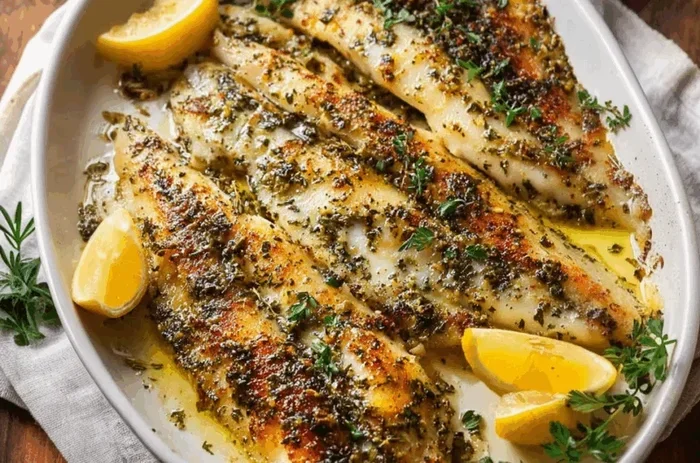
How Do You Bake Catfish in the Oven
Baking catfish in the oven is one of the easiest and healthiest ways to enjoy this delicious fish. With just a few simple ingredients and the right temperature, you can achieve perfectly flaky, moist catfish that rivals any restaurant dish. This guide walks you through everything from selecting the best fillets to pulling a golden, flavorful dinner out of your oven in under 30 minutes.
If you’ve ever wondered how to make restaurant-quality catfish without the mess and extra calories of deep frying, you’re in the right place. Baking catfish in the oven is hands-down one of the simplest cooking methods you can use. It requires minimal prep, very little oil, and delivers incredibly moist, flaky results every single time.
Whether you’re a beginner in the kitchen or a seasoned home cook looking for a quick weeknight dinner, oven-baked catfish fits the bill perfectly. This guide covers everything you need to know — from choosing the right fillets to nailing the seasoning and baking time. Let’s dive in!
- Simple and Healthy: Oven-baked catfish is a low-fat, high-protein meal that’s much healthier than frying.
- Quick Cooking Time: Most catfish fillets bake in just 15–20 minutes at 400°F (200°C).
- Proper Prep Matters: Patting fillets dry and seasoning generously ensures the best texture and flavor.
- Versatile Seasoning: Cajun, garlic butter, lemon pepper, or breadcrumb coatings all work beautifully with catfish.
- Don’t Overcook: Catfish is done when it flakes easily with a fork and reaches an internal temperature of 145°F (63°C).
- Easy Cleanup: Using parchment paper or foil on your baking sheet makes cleanup virtually effortless.
- Perfect for Meal Prep: Baked catfish stores well and reheats nicely, making it ideal for weekly meal planning.
Quick Answers to Common Questions
What temperature should I bake catfish at?
Bake catfish at 400°F (200°C) for the best results. This temperature creates a lightly crispy exterior while keeping the inside moist and flaky.
How long does it take to bake catfish in the oven?
Most catfish fillets take 15–20 minutes to bake at 400°F. Thinner fillets may be done in as few as 12 minutes, while thicker ones could take the full 20 minutes.
How do I know when baked catfish is done?
Catfish is done when it’s opaque throughout, flakes easily with a fork, and reaches an internal temperature of 145°F (63°C).
Should I use fresh or frozen catfish fillets?
Both work well! If using frozen fillets, thaw them in the refrigerator overnight or under cold running water before patting dry and seasoning.
Can I bread catfish before baking it?
Absolutely! Dip seasoned fillets in beaten egg, then coat with seasoned cornmeal or panko breadcrumbs for a crispy baked coating that’s much healthier than frying.
📑 Table of Contents
Why Bake Catfish in the Oven?
There are plenty of ways to cook catfish. You can fry it, grill it, or even blacken it in a cast-iron skillet. But baking stands out for several good reasons.
It’s Healthier Than Frying
When you bake catfish, you need only a light drizzle of oil or cooking spray. That means significantly less fat and fewer calories compared to traditional deep-fried catfish. You still get all the flavor and a beautiful golden exterior without the grease.
It’s Effortless and Hands-Off
Once your catfish is seasoned and on the baking sheet, the oven does all the work. You don’t have to stand over a hot stove flipping fillets or monitoring oil temperatures. Just set a timer and relax.
Perfect for Feeding a Crowd
Unlike frying, which often requires cooking in batches, you can bake multiple catfish fillets at once. Line up a full baking sheet and feed the whole family in one go. It’s the ultimate easy seafood dinner solution.
What You Need Before You Start
Before you turn on the oven, gather a few essentials. Having everything ready makes the process smooth and stress-free.
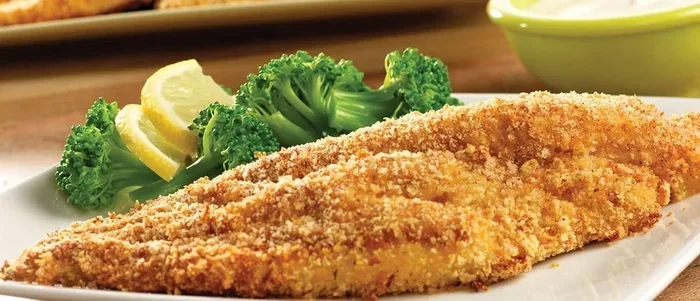
Visual guide about oven baked catfish
Image source: irepo.primecp.com
Fresh or Frozen Catfish Fillets
You can use either fresh or frozen catfish fillets. If you’re starting with frozen, thaw them overnight in the refrigerator or place them in a sealed bag under cold running water for about 30 minutes. Always pat the fillets completely dry with paper towels before seasoning. Excess moisture is the enemy of a crispy, golden crust.
Your Choice of Seasoning
Catfish has a mild, slightly sweet flavor that pairs well with almost any seasoning profile. Here are some popular options:
- Cajun seasoning: Paprika, garlic powder, onion powder, cayenne, oregano, and thyme create a bold, Southern-style kick.
- Lemon pepper: Bright and zesty, perfect for a lighter flavor.
- Garlic butter: Rich and savory, great for a more indulgent dish.
- Cornmeal breading: Gives you that classic crispy coating without the fryer.
- Old Bay seasoning: A seafood classic that works wonderfully on catfish.
Essential Kitchen Tools
- A rimmed baking sheet
- Parchment paper or aluminum foil
- Cooking spray or a small amount of olive oil
- Paper towels for drying fillets
- A meat thermometer (optional but recommended)
If you love baking other proteins and vegetables, you might also enjoy our guides on how to bake salmon in the oven and how to bake vegetables in the oven for perfect flavor. The techniques are surprisingly similar!
Step-by-Step: How to Bake Catfish in the Oven
Now let’s get to the good part. Follow these steps for perfectly baked catfish every time.
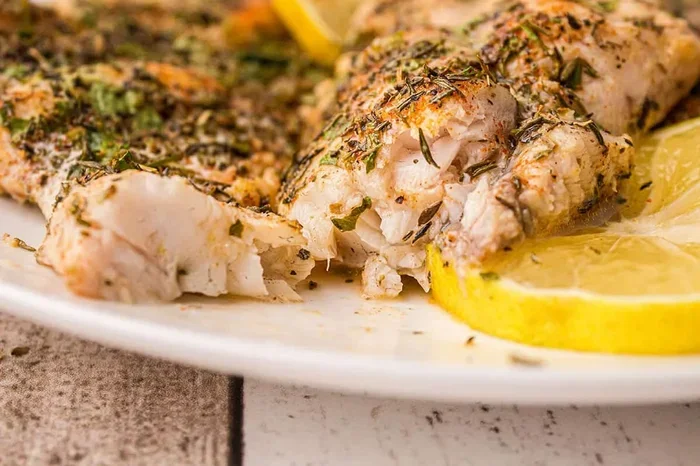
Visual guide about oven baked catfish
Image source: lanascooking.com
Step 1: Preheat Your Oven to 400°F (200°C)
Set your oven to 400°F and let it fully preheat. This temperature is ideal because it’s hot enough to create a lightly crispy exterior while keeping the inside moist and flaky. An oven that’s too cool will leave you with soggy, underwhelming fish.
Step 2: Prepare Your Baking Sheet
Line a rimmed baking sheet with parchment paper or aluminum foil. This prevents sticking and makes cleanup a breeze. Give the surface a light coating of cooking spray or brush it with a thin layer of olive oil.
Step 3: Season the Catfish Fillets
Pat each fillet dry with paper towels. This step is crucial — dry fish gets a much better texture in the oven. Then season both sides generously. Here’s a simple Cajun-style seasoning blend you can mix up in seconds:
- 1 teaspoon paprika
- 1 teaspoon garlic powder
- 1 teaspoon onion powder
- ½ teaspoon cayenne pepper (adjust to taste)
- ½ teaspoon dried oregano
- ½ teaspoon dried thyme
- Salt and black pepper to taste
Mix everything together in a small bowl and sprinkle it evenly over both sides of each fillet. Press the seasoning gently into the fish so it adheres well.
For a breaded version, dip each seasoned fillet in beaten egg, then coat it with seasoned cornmeal or panko breadcrumbs. This gives you a wonderfully crispy baked catfish texture that’s hard to resist.
Step 4: Arrange Fillets on the Baking Sheet
Place the seasoned fillets on your prepared baking sheet in a single layer. Make sure they aren’t touching each other. Good airflow around each fillet ensures even cooking and better browning.
Step 5: Bake for 15–20 Minutes
Slide the baking sheet into the middle rack of your oven. Bake for 15 to 20 minutes, depending on the thickness of your fillets. Thinner fillets may be done in as few as 12 minutes, while thicker ones could take the full 20.
The catfish is done when it’s opaque all the way through and flakes easily with a fork. If you have a meat thermometer, the internal temperature should read 145°F (63°C). This is the FDA-recommended safe temperature for all fish.
Step 6: Rest and Serve
Let the catfish rest for 2–3 minutes after it comes out of the oven. This brief rest allows the juices to redistribute, resulting in the most tender, flavorful bites.
Flavor Variations to Try
One of the best things about baked catfish is how versatile it is. Here are some delicious ways to switch up the flavor.
Lemon Garlic Butter Catfish
Melt 3 tablespoons of butter and mix it with the juice of one lemon, two minced garlic cloves, and a pinch of salt. Brush this mixture over the fillets before baking. The result is rich, aromatic, and absolutely mouthwatering.
Parmesan Crusted Catfish
Mix ½ cup of grated Parmesan cheese with ½ cup of breadcrumbs, a teaspoon of garlic powder, and a pinch of Italian seasoning. Press this mixture onto the tops of your fillets before baking. You’ll get a golden, cheesy crust that’s incredibly satisfying.
Spicy Cajun Catfish
Turn up the heat by adding extra cayenne pepper and a dash of hot sauce to your seasoning blend. Serve with a cool ranch or remoulade dipping sauce to balance the spice.
Honey Mustard Glazed Catfish
Whisk together 2 tablespoons of honey, 1 tablespoon of Dijon mustard, and 1 tablespoon of melted butter. Brush this glaze over the fillets during the last 5 minutes of baking for a sweet and tangy finish.
Common Mistakes to Avoid
Even a simple recipe like baked catfish can go wrong if you’re not careful. Here are the most common pitfalls and how to avoid them.
Overcooking the Fish
This is the number one mistake. Overcooked catfish becomes dry, rubbery, and loses its delicate flavor. Keep a close eye on the clock and start checking for doneness a couple of minutes before the minimum suggested time. Remember, the fish continues to cook slightly after you pull it from the oven.
Skipping the Dry Step
If you don’t pat your fillets dry, the moisture on the surface will steam the fish instead of letting it bake properly. Steamed fish has a mushy texture and won’t develop any color or crispness. Always take the extra 30 seconds to dry those fillets.
Using Too Low a Temperature
Baking catfish at 350°F or lower is a recipe for disappointment. The fish will cook through, but it won’t develop that appealing golden exterior. Stick with 400°F for the best results.
Overcrowding the Pan
When fillets are packed too tightly together, steam gets trapped and prevents proper browning. Give each fillet at least an inch of space on all sides.
What to Serve with Baked Catfish
A great catfish fillet deserves great sides. Here are some classic and creative pairings.
- Coleslaw: A creamy or vinegar-based slaw is the traditional Southern sidekick to catfish.
- Hush puppies: These golden fried cornmeal balls are a catfish dinner staple.
- Rice or grits: A bed of fluffy white rice or creamy grits soaks up all the delicious juices.
- Roasted vegetables: Asparagus, green beans, or Brussels sprouts round out the meal beautifully. If you want to learn more, check out our guide on how to bake sweet potatoes in the oven perfectly every time — they make an amazing side!
- Cornbread: Warm, buttery cornbread is practically mandatory with catfish.
- Simple green salad: A light salad with a tangy vinaigrette helps balance the richness of the fish.
Storing and Reheating Leftover Baked Catfish
Baked catfish stores well and reheats without losing too much of its original texture.
Refrigerator Storage
Place leftover fillets in an airtight container and refrigerate for up to 3 days. To reheat, warm them in a 350°F oven for about 8–10 minutes until heated through. Avoid the microwave if possible — it tends to make fish rubbery.
Freezer Storage
Wrap individual fillets tightly in plastic wrap, then place them in a freezer-safe bag. They’ll keep for up to 2 months. Thaw in the overnight before reheating.
Expert Tips for the Best Baked Catfish
- Use a wire rack: Placing a wire rack on top of your baking sheet allows hot air to circulate underneath the fillets. This creates even browning on all sides.
- Add a squeeze of fresh lemon: A quick spritz of lemon juice right before serving brightens up all the flavors.
- Brush with oil, don’t drown it: A light coating of olive oil or melted butter helps the seasoning stick and promotes browning without adding excess fat.
- Let the seasoning sit: If you have an extra 10 minutes, let the seasoned fillets sit on the counter before baking. This helps the flavors penetrate deeper into the fish.
- Invest in a good thermometer: A digital instant-read thermometer takes all the guesswork out of cooking fish. When it reads 145°F, your catfish is perfectly done.
Conclusion
Baking catfish in the oven is one of the simplest, healthiest, and most rewarding ways to prepare this Southern favorite. With just a few pantry staples and about 20 minutes of baking time, you can have a delicious, protein-packed dinner on the table any night of the week.
The key takeaways are simple: preheat to 400°F, pat your fillets dry, season generously, and don’t overcook. Whether you go with a bold Cajun blend, a cheesy Parmesan crust, or a simple lemon garlic butter, you can’t go wrong. So grab some fillets, fire up that oven, and enjoy the best baked catfish you’ve ever made!