Why Steam Ovens Keep Meats Juicy Inside for Beginners
You pull a roast from the oven, slice into it, and sawdust crumbs tumble onto the board. It happens to almost every home cook at least once. In fact, dry meat is the number one complaint about oven cooking. That is exactly why so many kitchens now rely on steam. Understanding Why Steam Ovens Keep Meats Juicy Inside changes the way you cook for good.
- Core Concept: Steam surrounds meat with moisture, so juices stay locked inside instead of evaporating.
- Essential Step: Preheat with steam on and keep the oven door closed as much as possible.
- Temperature Rule: Lower heat plus steam equals less moisture loss and more tenderness.
- Efficiency Tip: Use a meat probe to stop cooking at the perfect internal temperature.
- Safety Note: Always let meat rest before slicing so the juices settle back in.
The Science Behind Steam and Meat Moisture
Meat is roughly 70 percent water. When you roast it in dry heat, that water turns to vapor and escapes. The muscle fibers also squeeze tight as they heat, pushing juices out. That is the simple story behind most dry, tough dinners.
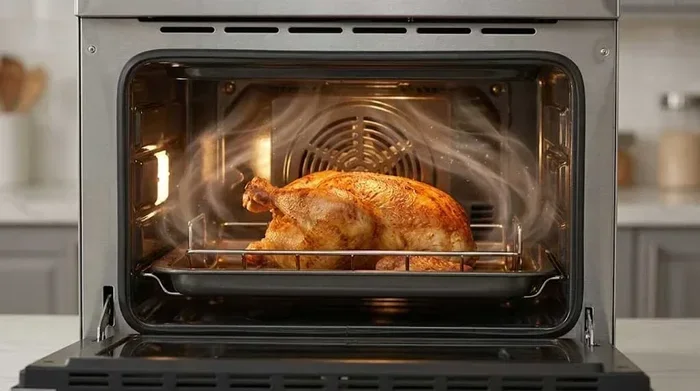
Steam changes this process from the very first minute. A steam oven fills the cooking chamber with hot vapor. That vapor sits against the meat and slows evaporation from the surface. The outside stays damp, so the inside keeps its natural juices. Also, gentle moist heat relaxes muscle fibers instead of shrinking them fast.
The result is meat that stays tender and plump. You get a soft, juicy bite rather than a chewy, dry one. This is the heart of why steam ovens keep meats juicy inside, and it happens without any special marinade or brine.
- Moisture Barrier: Steam coats the meat surface, so water inside cannot escape as fast.
- Gentle Heat: Wet heat cooks fibers slowly, which keeps them relaxed and tender.
- Less Shrinkage: Meat loses less weight, so more juice stays in every slice.
- Even Cooking: Steam spreads heat all around, so no spot dries out first.
- Faster Transfer: Steam moves heat better than dry air, so cooking is quicker and kinder.
In short, steam does not add water to your meat. It simply stops the water already there from leaving. That small shift makes a huge difference on your plate. For our comprehensive category overview and core buyer criteria, explore our cornerstone guide to How Convection and Steam Ovens Cook Food Differently.
How Steam Ovens Work Inside the Cooking Chamber
A steam oven looks like a normal oven, but it hides a small water system. A tank or plumbed line feeds water into a boiler or heating plate. That element turns the water into vapor in seconds. A fan then pushes the steam around the whole cavity.
Most modern models let you blend steam with dry heat. You can pick a full steam mode, a combo mode, or plain convection. The combo setting is the magic one for meat. It gives you browning on the outside and moisture on the inside at the same time.
For the juiciest results, start your meat in full steam for the first half of cooking. Then switch to combo mode for the final stretch. This locks in moisture early and builds a golden crust late.
Sensors keep everything steady. A thermostat holds the temperature, and a probe can track the meat itself. Some ovens even adjust steam levels automatically as the cook moves along. This hands-off control is why results stay consistent every single time.
- Water Tank: Holds the water that becomes steam during the cook.
- Steam Generator: Heats water into vapor fast and keeps the flow steady.
- Convection Fan: Spreads steam and heat evenly around the food.
- Combo Mode: Mixes steam with dry heat for browning plus moisture.
- Core Probe: Reads internal meat temp so you never overcook.
Once you understand these parts, the settings stop feeling confusing. You simply choose how much steam you want and let the oven do the rest.
Why Steam Ovens Keep Meats Juicy Inside Better Than Dry Heat
Dry ovens rely on hot air alone. That air pulls moisture off the surface like a sponge. The longer the cook, the more water the meat loses. Poultry and pork suffer most because they are lean to begin with.
Steam ovens flip that script. The air inside is already full of moisture, so it cannot soak up more from the meat. This keeps the surface wet and the interior plump. Therefore, lean cuts that usually dry out stay soft and tasty.
There is also a texture bonus. Dry heat can toughen the outer layer into a hard shell. Steam keeps that layer tender while still letting it brown in combo mode. You end up with meat that is juicy all the way through, not just in the center.
- No Moisture Pull: Humid air cannot absorb water from the meat surface.
- Lean Cuts Shine: Chicken breast and pork loin stay tender instead of chalky.
- Soft Crust: The outside browns without turning tough or leathery.
- Higher Yield: Less shrinkage means more edible meat per pound.
- Better Leftovers: Juicy meat reheats well and does not turn dry the next day.
This is the practical answer to why steam ovens keep meats juicy inside. They remove the very thing that steals moisture: dry, thirsty air.
Best Meats and Cuts for Steam Cooking
Not every cut behaves the same way in a steam oven. Lean meats gain the most because they have little fat to protect them. Fatty cuts still do well, but they need a bit more browning at the end.
Poultry is the clear winner. Chicken, turkey, and duck come out moist with crisp skin when you finish in combo mode. Pork loin and pork chops also stay tender instead of turning into shoe leather. Even delicate fish holds together and stays flaky.
Beef lovers are not left out. Prime rib, tenderloin, and brisket all benefit from slow, steamy heat. The steam breaks down tough fibers over time. The meat turns fork-tender while keeping its natural juices.
- Chicken and Turkey: Stay moist and never dry out, even the breast meat.
- Pork Loin: Cooks evenly without the usual dryness of lean cuts.
- Beef Tenderloin: Turns out buttery and soft with a light crust.
- Brisket: Breaks down slowly into tender, juicy slices.
- Fish and Seafood: Stays flaky and never turns rubbery.
- Lamb: Keeps its rich flavor while staying tender inside.
Match the cut to the mode and you will rarely miss. Lean meats love full steam, while fattier cuts enjoy a combo finish.
Step-By-Step Guide to Juicy Meat in a Steam Oven
Great results come from a simple routine. Follow these steps and you will get juicy meat almost every time. The process is easy once you do it a few times.
First, season your meat and let it sit at room temperature for about 20 minutes. Next, preheat the oven with steam on so the cavity is ready. Then place the meat on a rack over a drip tray. This lets steam flow all around it.
Set your probe to the target temperature for your meat type. Cook in steam or combo mode and keep the door closed. Finally, rest the meat before slicing so the juices settle. Every step protects moisture in its own way.
- Season Early: Salt the meat and let it sit so flavor reaches the center.
- Preheat With Steam: Warm the oven fully so the meat starts in a moist chamber.
- Use a Rack: Lift the meat so steam and heat reach every side.
- Set the Probe: Aim for 145°F for pork, 160°F for poultry, and 135°F for beef.
- Keep the Door Shut: Every peek releases steam and slows the cook.
- Rest Before Slicing: Wait 10 to 15 minutes so juices redistribute.
Do this a few times and it becomes second nature. Soon you will not even need to check the settings.
Temperature, Time, and Steam Level Settings
Getting the numbers right is the difference between good and great. Steam lets you cook at lower temperatures without risk. Lower heat means less moisture loss and more tenderness.
For most meats, aim for 250°F to 325°F in combo mode. Full steam works well at 212°F to 250°F for gentle cooking. Higher heat is fine for quick browning at the very end. Always trust your probe over the clock.
Steam level matters too. High steam suits lean cuts and long cooks. Medium steam balances moisture and browning. Low steam is best for the final crisp-up phase. Adjust as you learn what your oven likes.
- Low and Slow: 250°F to 300°F keeps lean meats tender and moist.
- Combo Range: 300°F to 350°F balances browning with moisture.
- High Steam: Best for poultry, fish, and long braises.
- Medium Steam: Great for pork and beef roasts.
- Low Steam Finish: Crisps the skin or crust at the end.
Once you know your target temps, cooking becomes stress-free. The oven handles the moisture while you watch the probe.
Common Mistakes That Dry Out Meat
Even a steam oven can produce dry meat if you slip up. Most problems come from a handful of easy-to-fix habits. Knowing them saves you from repeat disappointments.
The biggest mistake is overcooking. Steam buys you extra time, but it cannot undo too much heat. Another common error is skipping the rest. Cutting too soon lets juices run onto the board instead of staying in the meat.
Some cooks also use the wrong mode. Full steam for a whole roast can leave the skin soft. Others forget to refill the water tank mid-cook. A dry tank means a dry oven, and that defeats the purpose.
- Overcooking: Always pull meat at the target temp, not minutes past it.
- Skipping the Rest: Resting lets juices settle back into the fibers.
- Wrong Mode: Use combo mode for roasts that need a crisp finish.
- Empty Water Tank: Check the tank before long cooks and refill as needed.
- Cold Start: Always preheat so the meat enters a hot, steamy chamber.
Fix these five habits and your results improve fast. Most dry meat stories trace back to one of them.
Maintenance Tips to Keep Your Steam Oven Performing
A steam oven needs a little care to keep working well. Scale and grime build up over time, which hurts steam output. A clean oven cooks better and lasts longer.
Descale the steam system every few months, or more often in hard water areas. Wipe the interior after each use once it cools. Empty and dry the water tank so nothing sits and grows. Also, check the door seal for cracks that leak steam.
These small chores take only minutes. In return, you get steady steam and even cooking for years. A well-kept oven is a juicy-meat machine.
- Descale Regularly: Use the oven’s descale cycle or a mild solution.
- Wipe After Use: Clean the interior once it cools to stop buildup.
- Dry the Tank: Empty and air-dry the water tank between cooks.
- Check the Seal: Replace a worn door gasket to stop steam leaks.
- Use Filtered Water: Soft water means less scale and better steam.
Treat your oven well and it will treat your dinner well. Maintenance is the quiet secret behind consistent results.
Best Practices for Perfectly Juicy Results
Good cooking is mostly good habits. These dos and don’ts keep your meat moist and your meals memorable. Follow them and you will rarely go wrong.
Do use a probe and trust it over any recipe time. Do let meat rest before you slice it. Do preheat with steam and keep the door closed. Don’t crank the heat to rush things. Don’t skip the water tank check. Don’t slice hot meat right away. For broader testing and full category recommendations, explore our in-depth guide to Understanding How Steam Injection Transforms Bread.
Never open the oven door often during a steam cook. Each time you do, you lose built-up vapor and heat. This can add minutes to the cook and dry out the surface. Use the oven light and window instead.
- Do Use a Probe: Internal temp beats guesswork every time.
- Do Rest the Meat: Ten to fifteen minutes keeps juices inside.
- Do Preheat Fully: A hot, steamy start protects moisture.
- Don’t Rush With High Heat: Fast cooking dries lean cuts out.
- Don’t Ignore the Tank: Running dry defeats the whole point.
- Don’t Slice Too Soon: Hot meat loses juice fast when cut early.
Small choices add up to big flavor. Master these habits and juicy meat becomes your normal, not your lucky day.
Summary Table: Cooking Modes Compared
| Mode | Best For | Steam Level | Typical Temp | Moisture Result |
|---|---|---|---|---|
| Full Steam | Poultry, fish, lean cuts | High | 212°F–250°F | Maximum juiciness |
| Combo Steam | Pork, beef roasts | Medium | 300°F–350°F | Juicy inside, crisp outside |
| Convection Only | Browning, crisping | None | 375°F–425°F | Drier, best for finishes |
| Low Steam Finish | Skin and crust | Low | 400°F–450°F | Keeps inside moist |
Frequently Asked Questions
Do Steam Ovens Really Keep Meat Juicier Than Regular Ovens?
Yes, they do. Steam fills the oven with moisture, so the air cannot pull water from the meat. This keeps lean cuts tender and plump. Regular dry ovens lose that moisture fast, especially over long cooks.
What Temperature Should I Cook Meat in a Steam Oven?
Most meats do well between 250°F and 350°F in combo mode. Use lower heat for lean cuts and gentle cooking. Always rely on a probe for the true doneness. Pull pork at 145°F and poultry at 160°F.
Can I Brown Meat in a Steam Oven?
Absolutely. Switch to combo mode or a low steam finish near the end. The dry heat builds a golden crust while the inside stays moist. You get the best of both worlds in one oven.
Why Is My Meat Still Dry in a Steam Oven?
Overcooking is the usual cause. Steam buys you time, but it cannot fix too much heat. Skipping the rest also lets juices escape. Check your probe and let the meat sit before slicing.
How Often Should I Descale My Steam Oven?
Descale every two to three months for normal use. In hard water areas, do it monthly. Scale blocks steam output and hurts results. A clean system steams better and protects your meat.
Does Resting Meat Matter in a Steam Oven?
Yes, resting matters a lot. It lets juices settle back into the fibers after cooking. Cut too soon and those juices run onto the board. Wait ten to fifteen minutes for the juiciest slices.
Conclusion: Final Summary & Next Steps
Juicy meat is not luck. It is the result of moisture, gentle heat, and good timing working together. This is the real reason why steam ovens keep meats juicy inside so reliably. The steam shields your meat while steady heat cooks it to perfection.
Start with the basics. Season early, preheat with steam, and use a probe every time. Choose the right mode for your cut, then let the meat rest before slicing. These simple steps protect moisture at every stage of the cook.
Your next step is easy. Pick one recipe and try it this week. Cook a chicken breast or a small pork loin in combo mode. Once you taste the difference, you will never go back to dry heat alone. Happy cooking, and enjoy every juicy bite.